#365daysofbiking Pondlife

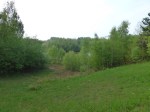
March 2nd – Over between Clayhanger Village and the canal, behind the big house the new pond – created by the removal of Walsall Wood Colliery’s spoil heap in the 1980s – is enjoying its annual but brief period of visibility.

In spring, before the leaves come, once can see the pond, and it looks healthy and full of life.

As the leaves grow, it will become impossible to see – but it will frequently be heard when the roosting waterfowl that love it so will squabble and bicker.

The fact that nature is thriving on this once very polluted, barren place fills me with joy.

This journal is moving home. Find out more by clicking here

from Tumblr https://ift.tt/2Ua4I05
via IFTTT
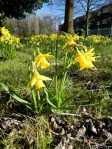
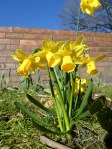
February 24th – Darlaston is changing right now. In its parks – Victoria and Kings Hill – spring his here, and the first signs of a green summer are just seeping into the landscape. Daffodils, crocuses, primroses and snowdrops dapple the lawns and beds, and everything seems just a shade more alive.

I actually saw a honeybee today. It’s not yet March.

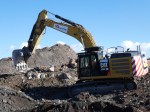
In the parks though, the peace is uneasy; a susurration of labouring diesel engines, the whine of hydraulics and the rupturing of concrete as nearby, the land the old Servis factory stood on is reclaimed for new housing. So much concrete on site to be pulverised, an army of fascinating machinery is working away at it.

Change is good. Chase is interesting. But the change for the greener lifts me the most.

February 1st – Crikey, are we a 12th through the year already? How did that happen?

I passed through Ryders Mere in the morning, and expected it to be busy with twitchers for the latest rarity – a Great Northern Diver has been here for a few weeks now – but curiously, I was alone. This place is lovely, but I still find it a little barren. 20 years ago this was an opencast, and now, a peaceful haven for wildfowl.

One day, I might bump into the man of the marsh himself, Chaz Mason. That would be lovely. In the meantime, the gulls and grebes carried on as normal.

August 8th – A long, long day. Out as dusk fell, I cycled around Brownhills, fighting low energy reserves and an aching back. Looking for a decent sunset, I cycled over the rite by Catshill Junction, to look over Clayhanger Common. Alone, apart from the odd dog walker, I reflected on this place; 35 years ago the spot I was stood in was a 20 feet deep ditch, and before me would have been piles of (often burning) festering refuse. This beautiful, treed-lined landscape – replete with rabbits, deer and all manner of birds – is testament to how landscape can be reclaimed, restored and rehabilitated if there exists the vision, will and determination.

May 20th – On my way home tonight, I hopped onto the canal towpath to enjoy the pleasant evening and see if we had any cygnets yet. Sadly, the swans still seem to be sitting, but I did notice how green and lovely the new pond was looking at Clayhanger. It was wearing it’s summer jacket gloriously well.

This site used to be a spoil heap from Walsall Wood Colliery, consisting mainly of grey clay, coal washings, slack and assorted rock detritus. In the early 1980s, it was excavated and used to cap the former refuse tip on the other side of Clayhanger Lane. The void left behind was landscaped, and lined with red marl and sand. It’s very hard to see any hint of the industrial  history at all.

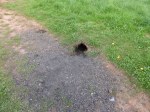
Today, that grubby history was evidenced near the canal bank. At the top of the slope, a digging animal – most likely a fox – has started to burrow, and abandoned the hole after a short dig. Just a few inches below the red clay surface, a whole spread of coal tailings has been brought out. 

Must have been a hard dig, that. History makes itself evident in the oddest of ways, sometimes.

October 28th – Today, British Summertime ended, and darkness fell an hour earlier. Why we continue this silly ritual of clock changing, I do not know; but from now until the end of March, there will be lots of night shots. This always leaves me feeling down. Still, it’s only seven and a half weeks until the shortest day, and it’s opening out from there.

The weather was atrocious. Rain, wind and a keen nip in the air meant only a short ride was in order to bag some shopping and check a few things out around Brownhills.

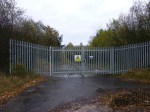
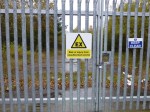
Travelling up Coppice Side, I noted the fence and gates to the landfill that operated here for much of the 80s had been renewed. Problematic, both in operation and reclamation, the site isn’t secure and folk walk their dogs and explore the landscaped mound here. What few realise is the meaning of the warning sign on the gate – it indicates an explosion risk. The former tip still vents gas. For years, technicians came on a regular basis and ignited a flare to burn the methane off, but that practice seems to have stopped. Not the best place to enjoy a Park Drive while walking the dog, I’d tenure…

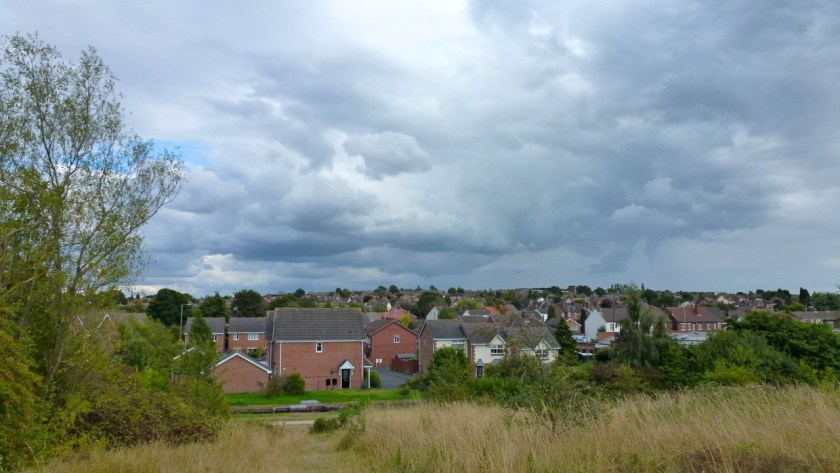
August 25th – in an attempt to lift the darkness, I headed over Clayhanger Common to check out the view of Shire Oak. It’s an interesting view, and demonstrates the wide range of ages and styles of house that make up this quiet, residential end of Brownhills. This view is only possible due to the mound sculpted during the reclamation of Clayhanger Tip, where I stand was one a cutting full of brackish, dirty water.

July 9th – after an hour or two of exploring the Black Cock and canal with a good mate, I came back to Brownhills along the canal. I reflected on the changes – how the wildlife had come out of the barren, vile pollution I knew here as a child. I watched dragonflies, admired oak, beech and sycamore saplings, smelled the heavenly scent of a carpet of honeysuckle. Crab apples ripened gently in the sun, a common tern hunted for incautious fish, grey wagtails expertly pecked at insects. I scrambled up on to the bank at Catshill Junction, where in my youth had been a ditch the size of a railway cutting filled with brackish, foul water. I remembered a solitary, 45 degree telegraph pole titling forlornly with it’s wires draped in the soup that would now be 20 metres below my feet. 

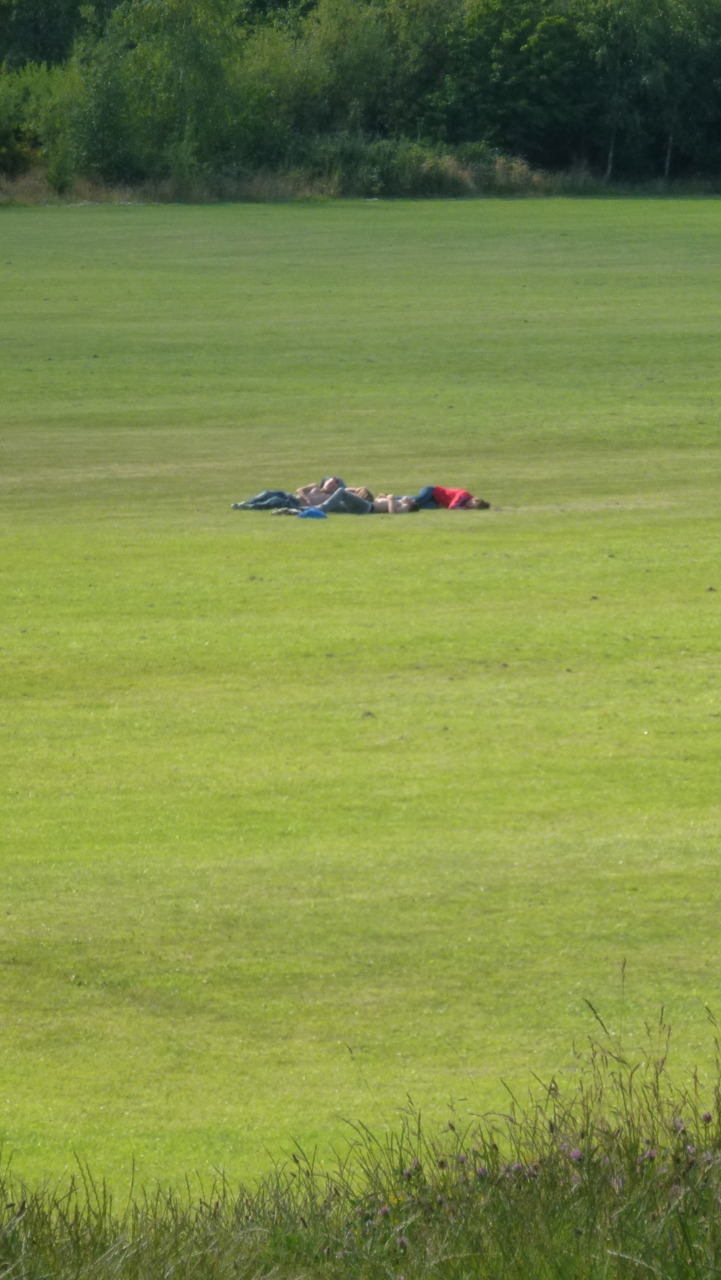
As I looked from the top, a group of teenagers – who probably weren’t old enough to remember the last century – were lazing on the grass in the centre of Clayhanger Common, basking in a patch of sunlight, completely unaware that had I done this at their age I’d be in the middle of a festering refuse dump.

That’s why I love this place, for all it’s faults.