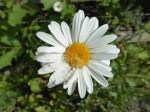
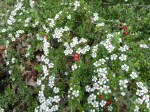
May 19th – In Telford for the day, and what a day it was. Bright, warm and sunny, the flowers and greenery have come on here apace. I noticed my first ox eye daisies of the year, replete with spiders, and cotoneaster in flower, still with some berries from last year. I’ve never seen that before – the fruit is beloved by blackbirds and other songbirds, but the shrub is so prolific here, and the crop so abundant last year that I just don’t think there were enough birds to eat it all.

It makes an attractive display, for sure…
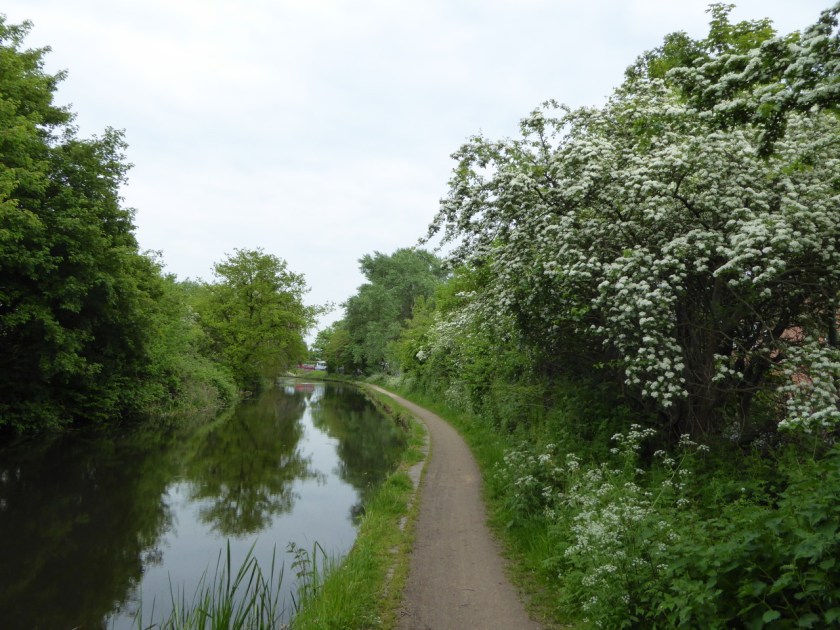
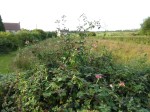
May 16th – I’m out in the elements all year round, and from the darkening in Autumn, the loss of leaves and closing in, I long for the days when everything is lush and green again. The jacket summer lends improves just about any spot – for me, it’s not just the warm air, the sun on my face or the birdsong – it’s the emerald greens of a summer in full flush, of the flowering and blossom, and of the maturing and fruiting.

For the last 5 months, this view hasn’t been worth a light, really. But today, on the cusp of another season, the sounds, sights and scents make this a lovely spot.

This has to be my favourite time of year.

May14th – I was back in Telford, and shut in an airless building with no natural light, so I missed a sunny, gorgeous day. This made it nicer to be out when I left though, and cycling home from Four Oaks in the evening sun I was struck by how green and verdant everything now is.

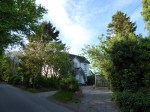
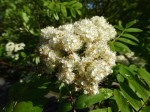
At Mill Green, the cottage looks lovely cloaked in it’s summertime shroud of greenery, and I noted the elders were flowering beautifully up the lane. 

A wonderful evening ride.

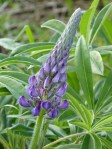
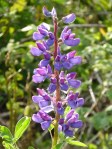
May 13th – The purple lupins (always earlier than the pink ones) are coming out on the canal bank above the big house at Clayhanger. I’ve never been sure if these are truly wild, or long-time feral escapees from the long gone garden of Ernest Jones, who had tennis courts and delicate flowerbeds at the foot of the embankment here nearly a century before. 

They are beautiful, complex and fascinating, and yet anotherindicator of the seasons escapement clicking over another notch. Spring goes from whites and yellows to blues and then purples. Summer is pretty much upon us now.

September 4th – Interestingly, the honeysuckle thicket on the approach to the Black Cock Bridge in Walsall Wood is in a second phase of flowering. Lots of plants seem to be; the trefoil is showing strongly again, dead nettles seem back in bloom, and I’ve even seen a few fresh poppies in the hedgerows.

This doesn’t seem normal to me. It must be the sign of a good season. Long may it continue.

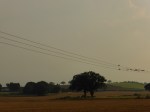
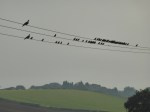
August 27th – Is it late summer or early autumn? My dilemma over the seasons continues. I guess we’re in the interregnum now. Cycling back through the lanes of Stonnall this evening, It was hazy and warm, with a light, barely perceptible mist the sun had been unable to burn off. The fields looked gorgeous, and I was fascinated by the impromptu parliament on the overhead lines.

Who cares what season it is? It’s beautiful.

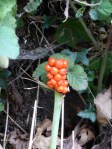
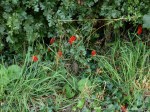
August 26th – It is time again for the annual warning: there’s a killer in the hedgerows right now. These stalks of bright orange-red berries grow in hedges, woodlands and other scrub, and grow 6-10 inches tall. Very distinctive, Lords and Ladies is very attractive, particularly to kids, but is one of the most toxic plants in the British Isles. These examples were growing in the hedgerows of Hamstall Ridware and Hoar Cross.

The berries of Arum Maculatum, also known as Devils and Angels, Cuckoo Pint or Wild Arum contain a poison that causes swelling of the mouth and throat and sickness. Fatality is rare, as the berries are very acid and consuming enough to kill would be a challenge, but the plant causes most admissions to A&E for plant poisoning in the UK.

It’s a gorgeous thing to look at, just don’t touch it. This one worries me, as it grows at a height such that small kids spot straight away, and the beautiful colour is very attractive to them. Be careful.

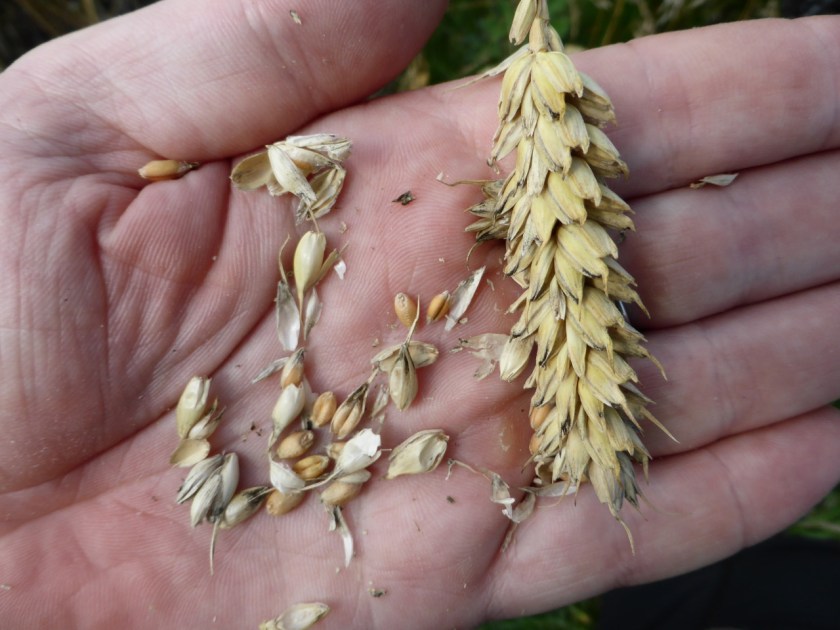
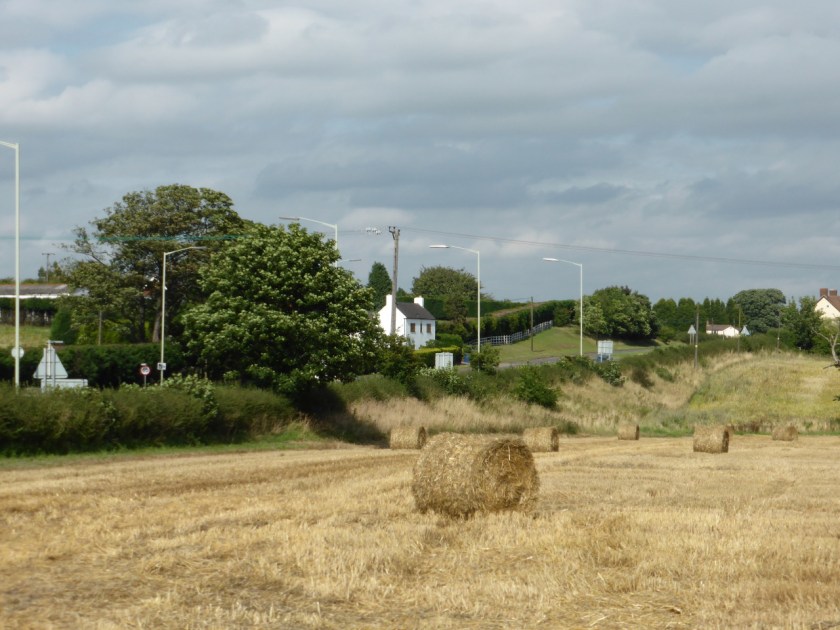
August 21st – To my surprise, the cereal harvest – thanks to largely dry weather – is almost over around Stonnall and Lichfield. Most of the oilseed rape seems to have been cut, too, and fields are now turning back, first to stubble and bales, then bare earth ready for replanting. I don’t think I’ve known a recent year when the process has been done and dusted so quickly. Last year in this field at Springhill, rapeseed was grown, this year, wheat. Wonder what the next crop will be?