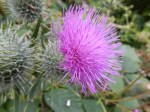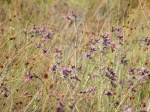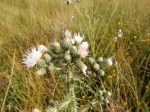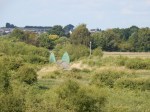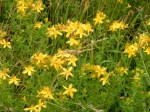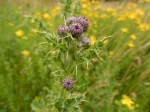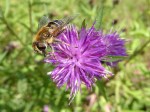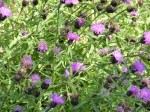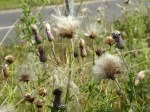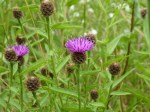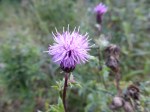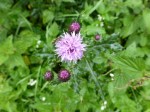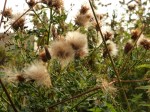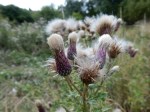
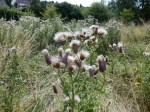
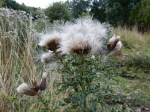
August 28th – On an early afternoon run home from work, a beautiful patch of thistles gone to seed on Clayhanger Common. Like fellow fluff-mongers Rosebay Willowherb, they fill the air with small, wind-borne seeds often called ‘fairies’ by generations of local kids.

Also good food for small bits who will dine on these to their hearts content.
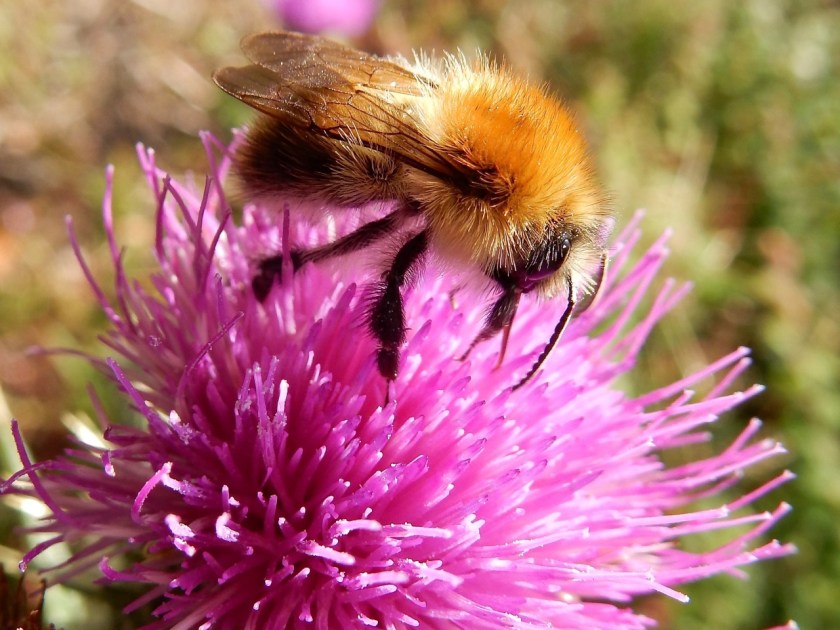
August 7th – Still, don’t let the recent preoccupation with berries, harvest and fruit fool you; there are still plenty of wildflowers out there, and more to come. As I rode to work today, I spotted this hairy chap busy in the thistles, just doing his thing.

I love bees. Such gentle, busy creatures. They get a bad press sometimes, but they mean no harm and just want to get on with things undisturbed…

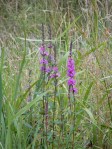
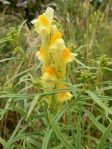
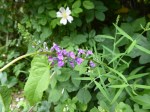
July 23rd – It may be high summer, but the wildflowers see no sign of abating, just the usual shift to darker colours as summer wends on. I love the rotund, spiny perfection of thistles, and the loose strife by the canalside at the Black Cock bridge is a new addition; but a welcome return of common toadflax is always a joy, even on the dullest days.

July 12th – A much better day. I got on top of, if not actually beat my technical issues. My stomach was improving, and I didn’t feel quite so bleak. 

I spun out to Chasewater late afternoon, and rode the full circuit, which I haven’t done for ages. The sun was bright and strong, and the heaths and meadows rewarded me with bee buzz, grasshoppers ratting away, damselflies, birds and deer, as well as a wealth of flowers and fine views.

Just the tonic I needed.

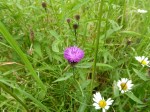
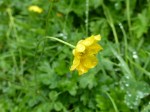
July 6th – On an equally dull return commute, harassed by the threat of an oncoming deluge, I shot along the canal on the way home. Pausing only at the small patch of meadow – less than 100 square feet – at t eh top of the new pond at Clayhanger, I captured these midsummer soldiers: St. John’s Wort and the gorgeous thistle.

Come back sun, and make these soldiers shine!

August 3rd – Chasewater itself was gorgeous. From the honeybees busy on the knapweed, which looks so very like thistles, to the thistles themselves, which are now doing the seeding thing. Amphibious bistory dabbles the western edge of the lake, and the north heath looked gorgeous.

We’re so lucky to have this nearby.

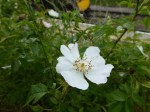
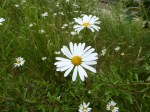
June 16th – I called in at South Wigston on the way back, to kill two birds with one stone. The wasteland at the station there is beautiful again – brambles, ox eye daisies, thistles and dog roses mingled with a couple of unknowns. Considering this land – sitting between the access ramp and the platform – is totally abandoned and no more than 15 square metres, it holds no end of delights all year round. Stunning.

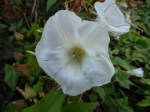
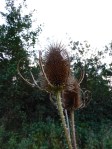
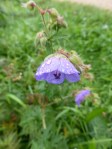
September 26th – Winging back along the canal to Brownhills, I took another scout along the fringes of Clayhanger Common. Locals will know that 40 years ago, the was a benighted site of contaminated land used as a refuse tip. Careful and brave reclamation in the early 1980s saw the lad reclaimed and planted, and this is the result. Even with autumn on their heels, still the thistle, bindweed and meadow cranesbill are flowering strongly, teasels stand tall and ripe, and the shiny black gloss of elderberries hang heavy on the boughs. This is such a long way from how this land was, and something everyone in Brownhills should cherish and be proud of.

September 6th – The rains came today, but not too much. Skipping out weary in the afternoon, I rode the canal towpaths which were quiet, and fast. There was that lovely fresh earth, post rain smell, and the landscape looked clean and fresh. What impressed me most, though was the huge variety of flowers and plants still showing well along the towpath. This selection were all spotted between the Pier Street Bridge and Coopers Bridge, just by the Watermead.

August 27th – I noted recently that rosebay willow herb is called ‘old man’s beard’ due to the white, fluffy, wind-borne seeds it spawns at this time of year. Another prolific source of the familiar ‘fairies’ that float on the breeze are thistles, also plants of the margins and hinterlands. Gorgeous at the moment in their downy decadence, they are a food source for small birds like finches, and also for any passing donkeys, who love thistles with a passion.