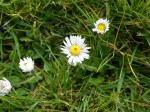
April 8th – One sight that is wonderful every year – though often overlooked – is the appearance of the daisies. Common as the grass they grow in, these little blooms of quiet perfection are fascinating when you look closely, and very under appreciated.

I felt sorry for these on the canal bank, so I captured their image to share with everyone.

April 1st – This spring is a bit mad, for sure. Spotted on Clayhanger Common, this solitary cowslip is in healthy bloom. My favourite flowers, they’re normally far later than this.

Perhaps this one couldn’t wait. Whatever the reason, it’s too good to see my little yellow friends back on the scene.

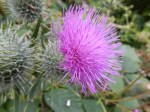
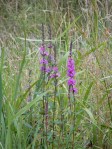
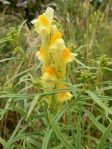
July 23rd – It may be high summer, but the wildflowers see no sign of abating, just the usual shift to darker colours as summer wends on. I love the rotund, spiny perfection of thistles, and the loose strife by the canalside at the Black Cock bridge is a new addition; but a welcome return of common toadflax is always a joy, even on the dullest days.

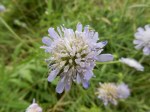
July 21st – On Clayhanger Common, near the Pier Street Bridge, a powder blue, ball-shaped wildflower I believe to be field scabious. It’s growing very densely in a small patch and is rather beautiful.

Scabious derives the somewhat odd name from scabies, the disease the plant was believed to treat, as well as plague sores and other itchy conditions – scabies itself coming from the Latin ‘Scabere’ – to scratch.

I’ve not seen this here before, and it’s a welcome addition.

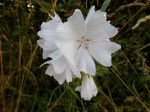
July 18th – Just by the factories that back on to the canal at Stubbers Green, the scent of firing bricks in the air, these delicate flowers on the canal embankment.

I believe they’re mallows – they’re fairly large, and very delicate, and rather beautiful. They make an interesting contrast with the tanks, pallets and piles of steelwork in the yard beneath them.

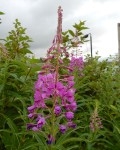
July 8th – Another tick in the arrivals list for midsummer was added today: rose bay willow herb, or old man’s beard. I had to nip into Great Bridge from Darlaston, and spotted this interesting blue-finger variant on some waste ground. It’ll be a rash of colour for a few weeks, then fill the air with floating seeds.

Apparently, the leaves make a decent tea, and once skinned, you can bake and eat the roots. It’s a fascinating plant, but one that dwells on the fringes and is sadly ignored by most folk.

June 30th – Looking almost frosted on the warmest day of the year, this is a cowslip seed head. It’s not quite ready yet, and is ripening in the sun beneath the trees by the Pier Street Bridge at the edge of Clayhanger Common. I have my eye on it and it’s fellow plants: as soon as they’re ready, I’ll take a few seed heads and scatter the seeds elsewhere.

You can’t have too many cowslips. Spread the love, people.