#365daysofbiking Holding on:

November 23nd – It’s been a tough week, I don’t mind admitting. Work has been hard and everything else has been manic. The weather hasn’t been too wonderful either.

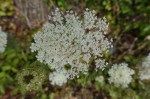
But, it’s Friday, and even though the day was grey and overcast, the daisies on the verge outside work were doing their best to be cheerful.
365daysofbiking Buttered up:

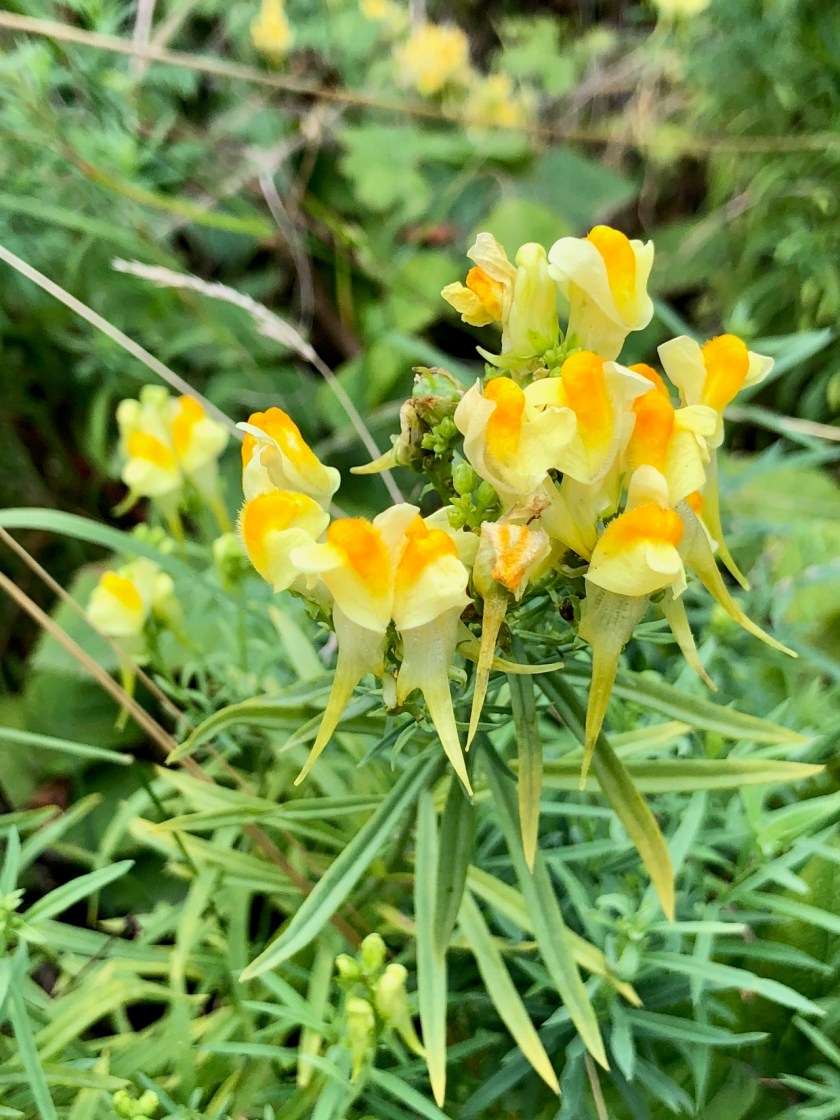
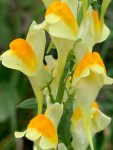
October 5th – I said a good few weeks ago now that butter and eggs, or toadflax is one of the harbingers of summer’s end: When it comes into flower, you know the season is at an end.

Still going strong in early October, it’s one of the few things still in flower, resolutely brightening the canal towpaths, edgelands and hedgerows.

A beautiful, but sad flower.

#365daysofbiking – Not dead yet:

September 23rd – I said the other day that there were not many flowers about at the moment, and I hold my hands up: I wasn’t looking hard enough.

Coming into a second flush of flowering now, the dead nettles on Clayhanger Common are having one last yahoo before winter.

Absolutely gorgeous as only they could be. Such a cheering sight.

#365daysofbiking Sparser:

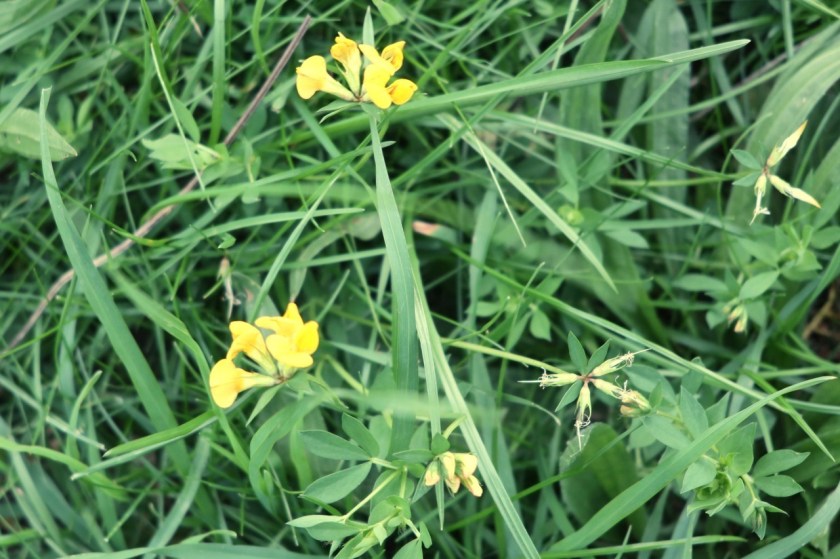
September 18th – The flowers are getting sparser now, and soon the only real blooms will be the gorse, and the odd winter stragglers. On the grass verge outside work, the birdsfoot trefoil – egg and bacon – is still going strong, and you can see well how it found its name: the seed heads look like bird’s feet.

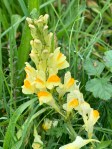
August 20th – One of the sad but beautiful signs of a closing summer is toadflax, otherwise known as butter and eggs. This beautiful plant, in shades of yellow, white and orange will be common now in hedges and on towpath fringes until October.

It’;s a lovely thing but it does make me sad for a season passed.

August 19th – One of the more startling recolonisations of recent years has been the teasel. This dramatic, prehistoric looking plant grows a familiar, spiny seedhead beloved of small songbirds, particularly finches, but the name teasel comes from its industrial use as a comb for ‘teasing’ wool into thread.

When I was young these were a rarity around here, and I never saw one of these tall plants until adulthood. Now, thankfully, they are profuse and in lots of wayside hedges, scrubs, meadows and field-margins – which is helping the bird population.

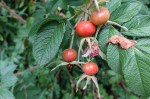
July 24th – Also coming on to show well right now are the rosehips – the fruit of the rose flower, either the dog rose, or the feral scopes that dot the hedgerows, canal towpaths and footpaths of the area.

I love the variety of textures, colours and shapes.

They bring a second splash of welcome colour when the rose flowers  themselves have decayed for another year…

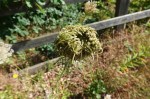
July 23rd – I ought to know what this plant is. But I don’t, and the guide books haven’t been helpful. It looks a bit like cow parsley, but isn’t: smaller, flatter flower heads and that curious ball formation which I can’t tell is a flowerhead opening or going to seed.

Anyone know? Loads of it in Darlaston at the moment.

July 13th – In Telford for the morning, I crossed the footbridge over the motorway to Priorslee and noticed that despite the dry spell, the embankments, a real haven for local wildlife were still very green and alive with wildflowers. 

It always interests me how the motorways of the UK – undoubtedly polluting and hostile to the environment – have formed green ribbons of land that protect so much wildlife and provide an undisturbed haven.

Of course, this is one of the quieter UK motorways.