#365daysofbiking Herbivore

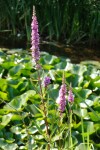
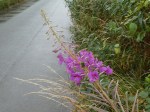
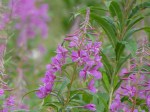
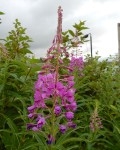
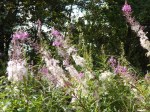
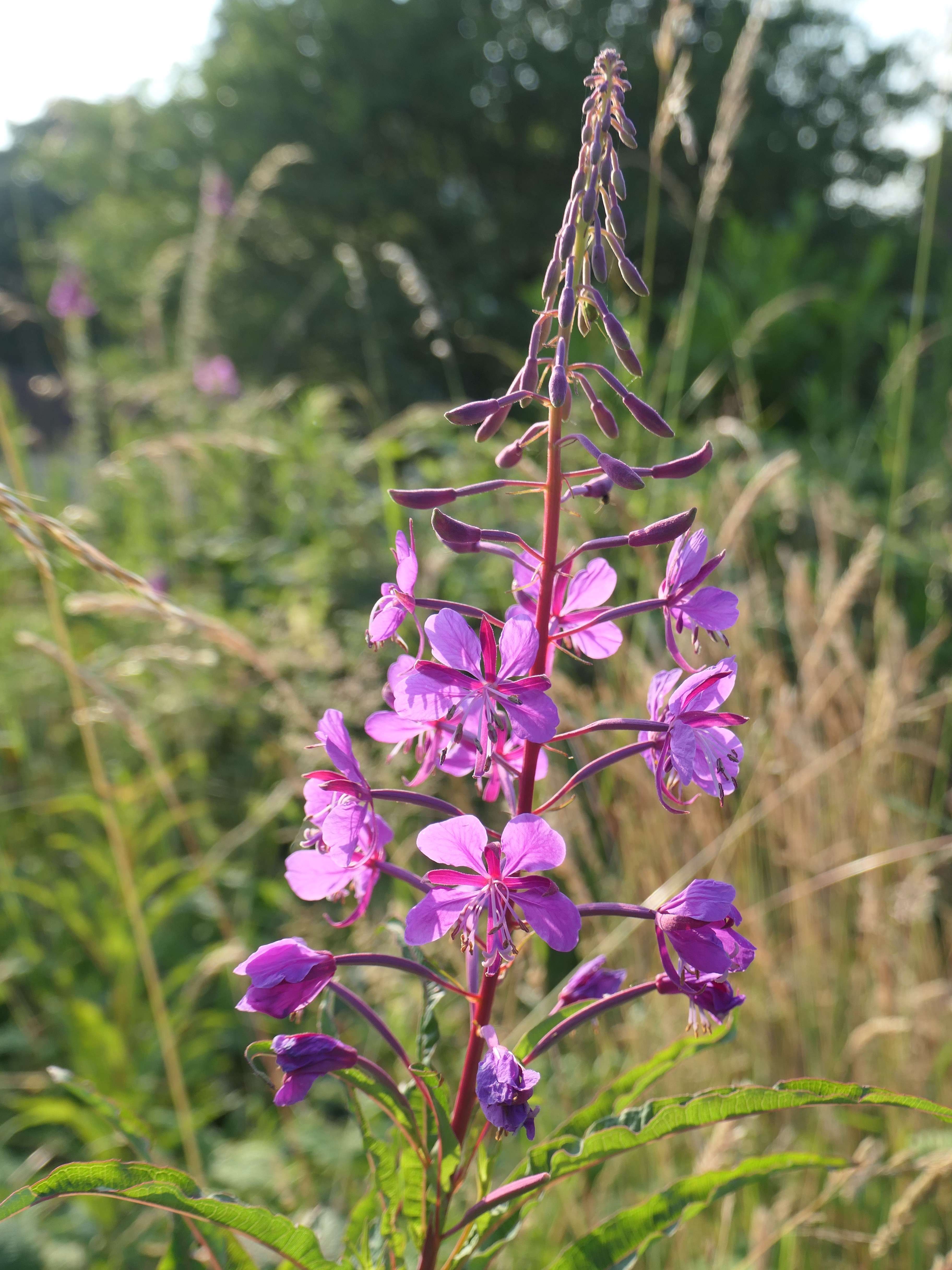
July 15th – The flowers continue to appear daily. Rosebay willowherb is the latest – a beautiful, tall weed, it paints wasteland, hedgerows, scrubs and derelict land with a beautiful hade of purple, complimenting the buddleia which it competes against for light and space.

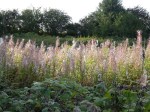
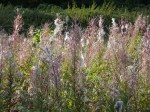
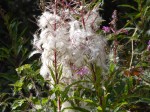
In a few weeks it will seed with fluffy, wind-born seeds that float on the breeze and were locally known as ‘fairies’ when I was a kid, hence it’s colloquial name ‘Old man’s beard’.

We really should look more closely at the plants we dismiss as weeds.

This journal is moving home. Find out more by clicking here.

from Tumblr https://ift.tt/2lHKWvH
via IFTTT
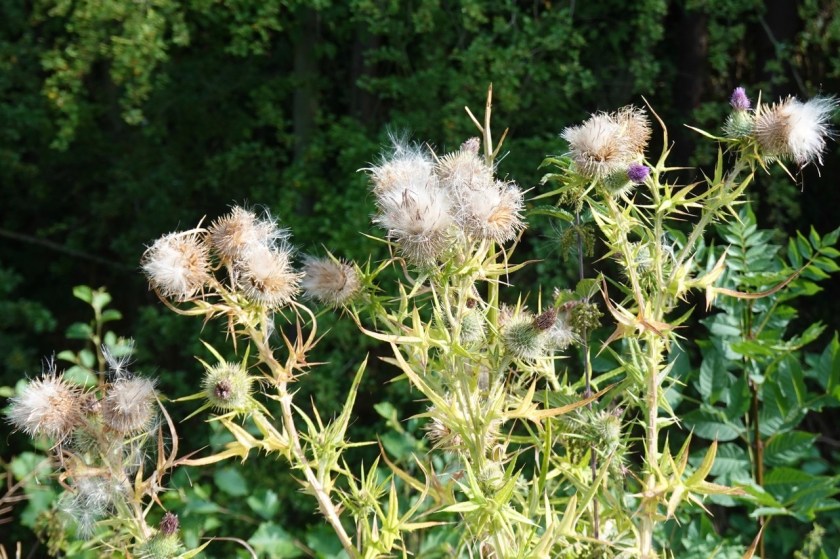
July 25th – The thistles are still in flower, but now going over to seed too. This is great for many songbirds like goldfinches who like to eat the seeds, which are spread from the seed heads by the breeze, and to this end are attached to fluffy wind catchers to transport them in the air.

The fluff thistles generate – along with rose bay willowherb, or old man’s beard which is also in seed at the moment, was always called ‘fairies’ when I was a kid, and it was considered lucky to catch a ‘fairy’ on the wind.

They are actually rather beautiful.

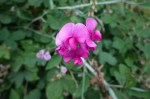
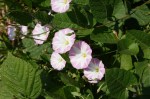
July 4th – Business in Brum at lunchtime, and a poodle back along the canal in the afternoon summer heat. The flowers right now are gorgeous – from the strong yellows of ragwort to the purples of willowherd – and even bindweed and  wild sweetpeas, right there in the inner city.

The other colour was from art – the Annatomix piece featuring the tangram style fox in DIgbeth was astounding, but I also liked the subtle wit of the red heron nearby.

A weary, but lovely ride.

July 22nd – The rain was insistent, but warm and pleasant, too. I took the long way home from the supermarket via Stonnall and enjoyed the cool, damp petrichor scented air, and it’s gilding effect on the flowers and foliage.

At Lower Stonnall, the willowherb, glistening with fresh crystal raindrops, was fascinating and beautiful. 

June 28th – One of the plants that’s commonly considered a nuisance and confined to edge lands and waste ground is rose bay willowherb, or old man’s beard.I’ve always felt the scorn for this violet midsummer trooper was unfair, as it’s another beautiful weed.

Fast growing with well-recognised wind-borne seeds, this tall plant is seen in hedgerows and other land that goes untended. It has a beautiful smell and adds a lovely purple tinge to otherwise dull spaces.

I’ll get you all looking at your weeds in a new light if it kills me…

August 31st – The willow herb is going to seed now, I noticed the fluff as I rode the cycleway through the Goscote Valley. Filling the air at the slightest provocation from the breeze, the seeds this dweller of the margins produces float and dance on the wind.

When I was a kid, we called the little floating seeds ‘fairies’ and it was considered good luck to catch one. These days, I just tend to catch them in my mouth while riding.

My grandad called this ‘old man’s beard’ and you can see why.

This is a real end-of-summer occurrence and so a little bittersweet, but no summer would be complete without it, even if it does make me spit!

August 13th – A bit better today, and I’m on the mend, and out and about earlier. Time I note for another periodic explanation…

This isn’t pollution at Catshill Junction, or anywhere else it’s happening. This time the scum film at wind traps and bends on the canal is caused by rose bay willow herb plants, which are currently going to seed and producing oodles of the white fluff. 

Just like the sallow earlier in the year, it looks horrid as the chaff and hairy detritus forms a film on the water – but it’ll soon be gone.

Another curious little marker of the passing seasons.

July 8th – Another tick in the arrivals list for midsummer was added today: rose bay willow herb, or old man’s beard. I had to nip into Great Bridge from Darlaston, and spotted this interesting blue-finger variant on some waste ground. It’ll be a rash of colour for a few weeks, then fill the air with floating seeds.

Apparently, the leaves make a decent tea, and once skinned, you can bake and eat the roots. It’s a fascinating plant, but one that dwells on the fringes and is sadly ignored by most folk.

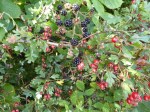
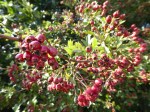
August 23rd – I had to pop into Aldridge on an errand, and so I took the canal. There’s an autumnal nip in the air, and everything is ripening. A fine crop of elderberries, blackberries and haws will make some fantastic pddings and wine, and the rosebay willowherb is demonstrating beautifully why it’s know as ‘old man’s beard’. 

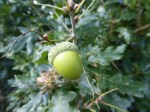
The only disappointment is the acorn crop, which is very, very bad. Only the second tree I’ve seen with any fruit this year – oddly, the acorns that grew are fat and in excellent shape, but the tree is mostly carrying the dead buds of undeveloped fruit. Most odd.

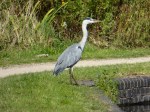
And then, that heron. He’s persistent, I’ll give him that. A fine bird.

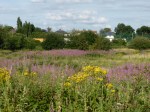
August 6th – I’d been in Darlaston, and returned home via the cycleway down the Goscote Valley. Despite small areas of tipping and litter, it’s lovely at the moment; the pastures and wastelands are bright with willow herb, wort, convulvulus and budleia, and the Ford Brook has tall swathes of Himalayan balsam growing tall. It’s an unwelcome species, but it is gorgeous to look at.

All the way through Goscote I watched two buzzards wheel and soar on the warm breeze. You wouldn’t think this area could be so peaceful and beautiful.

Walsall still has the capacity to surprise.