#365daysofbiking Alder time

January 17th – Signs of spring continue to seep into my daily commute.

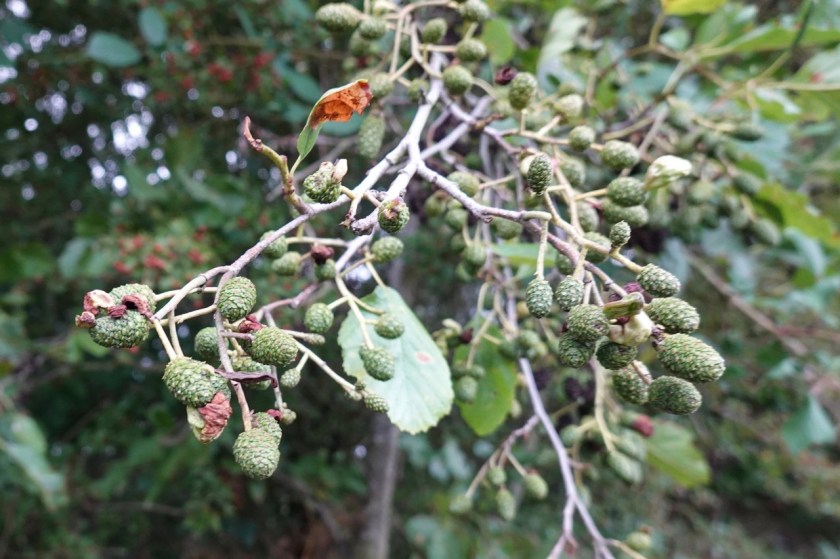
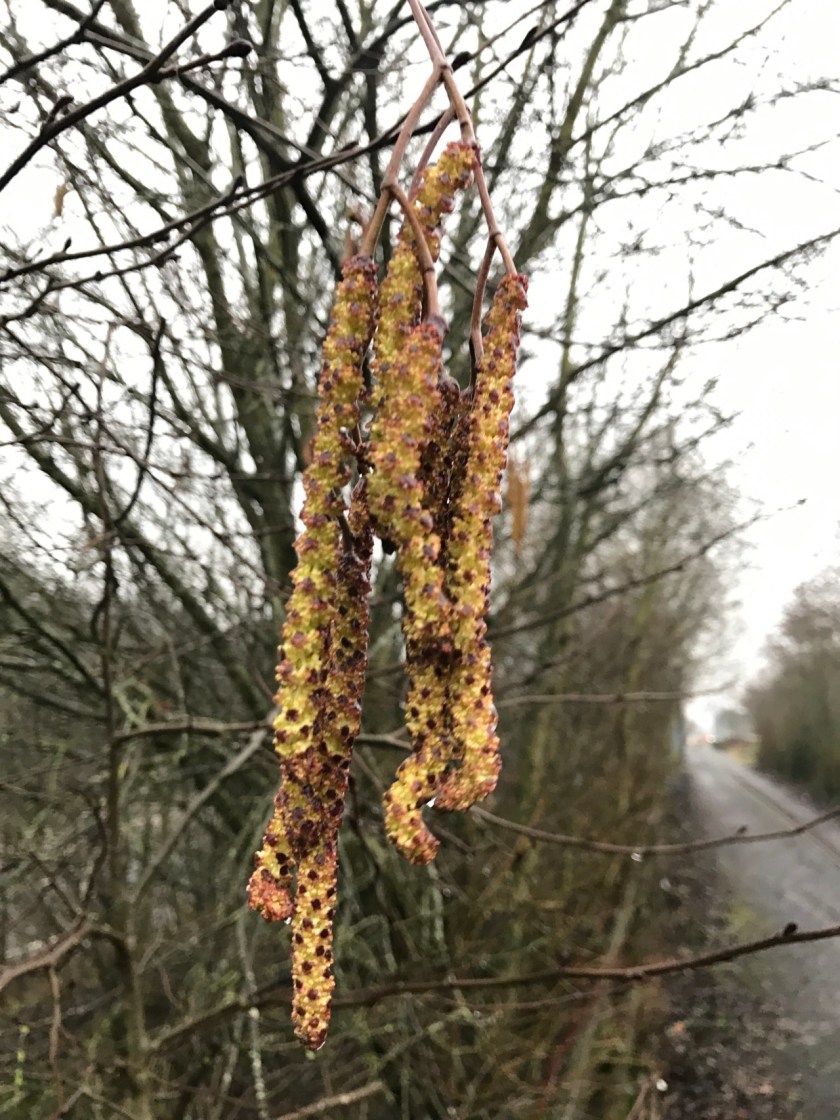
On a bright, sunny, blue-sky morning fresh, alder catkins are growing, ready for spring next to last year’s fruit – female catkins which grow to become Coe-shaped and release seeds in winter, in the same was as pine cones.

Catkins are some of the first tree blooms of spring, and always a welcome sight.

This journal is moving home. Please find out more by clicking here.

from Tumblr http://bit.ly/2T8CGQZ
via IFTTT

March 10th – I had to pop to the garden centre in Shenstone, which always grinds my gears, as there’s no suitable bike parking and the place seems to be cunningly and cynically engineered to hoover money out of the pockets of the older folk who seem to be it’s target customers, mostly in exchange for expensive items one could find cheaper elsewhere. Walking in with concessions of a pet shop, 3 or 4 clothing brands and other such stuff, the actual garden stuff seems a sideline.

I returned from the garden centre grumpy and decided to travel the length of the Lammas Land in Shestone, running from the Birmingham Road to just near Shenstone Station.

Spring is trying to start here, and pleasingly, the daffodils were out, but on the whole, the place was still very much of the winter. I stopped to look at the Shining Stone of Shenstone, which looks no less like a silver turd every time I see it. It’s a peculiar thing.

I was intrigued by the purple alder-like tree I found there – with purple male catkins and the familiar more globular female ones. If the leaves match that will be an extraordinary sight.

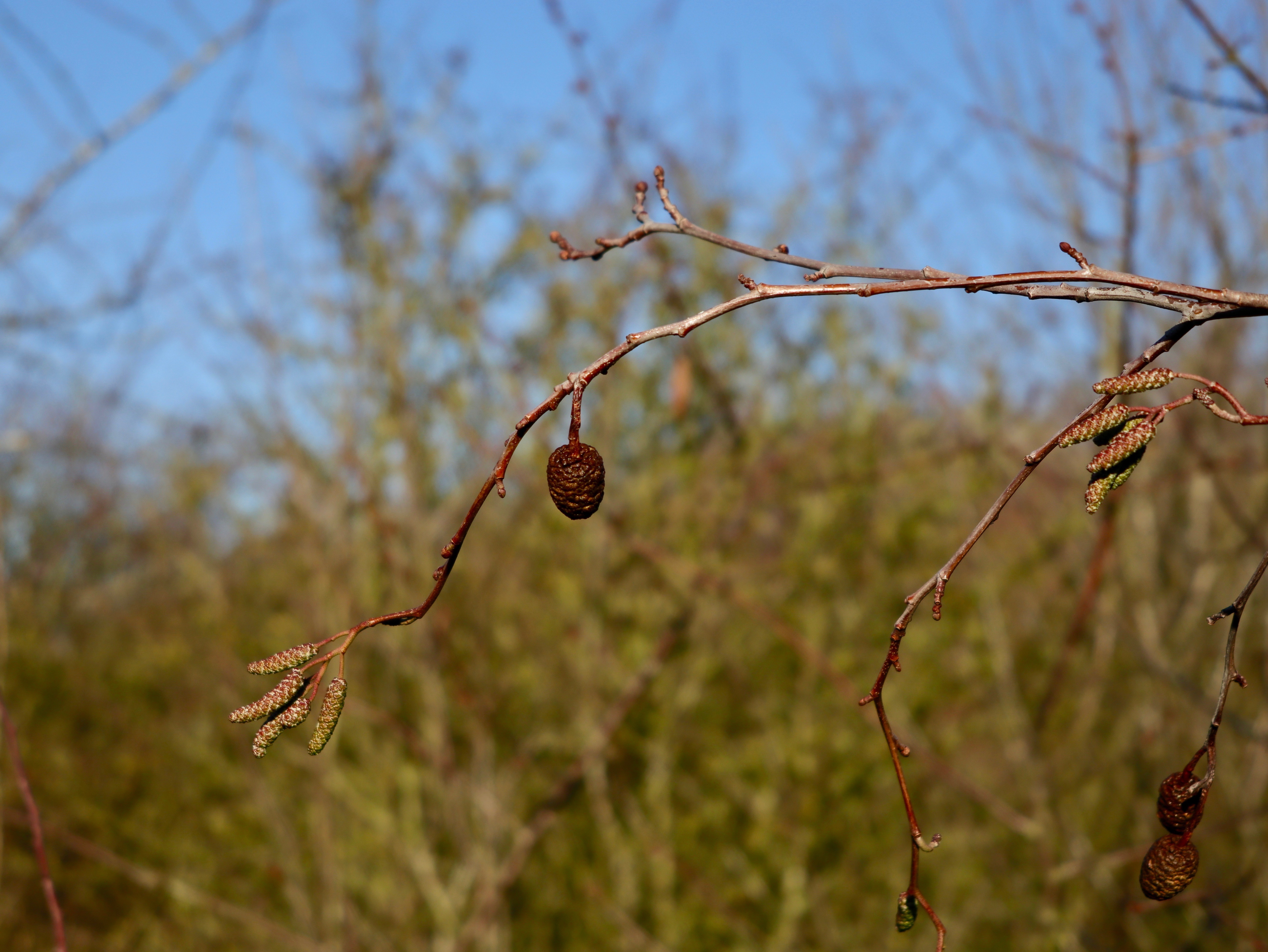
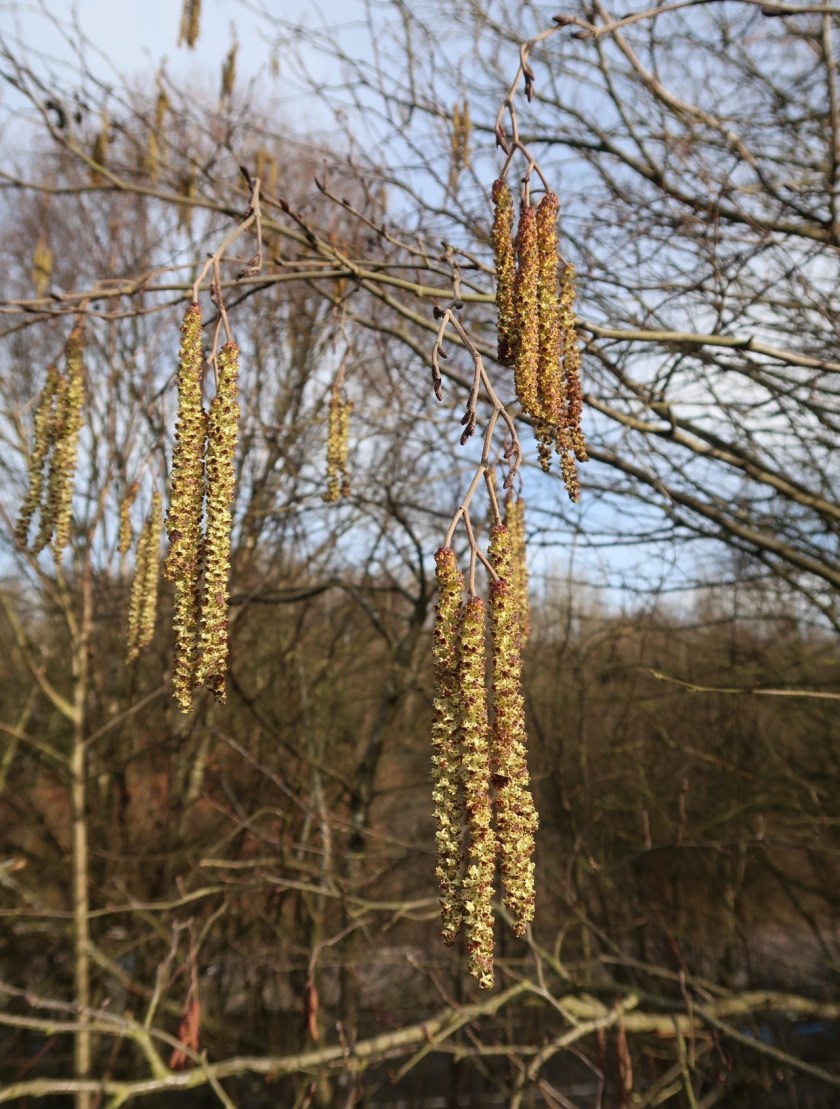
January 31st – One of the sure signs of a change in season from winter to spring is the appearance of various types of catkins, which are most commonly seen at this time of year on hazel trees, or in the case of these long ones, alder.

Alder is curious in that the buds you can see are also flows, the large blooms are male, and those female.

The word catkin is likely to have come from the Dutch Kateken, meaning kitten – due to the resemblance to kitten’s tails.

Catkins emerge this time of year as they’re wind pollinating, and emergence after coming into leaf would hamper pollination.

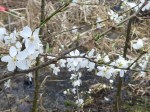
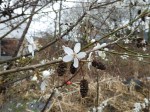
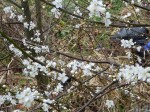
February 28th – in the swamp at the end of Victoria Park in Darlaston, just past the old railway bridge on the way to Kings Hill, a surprise today in the rain: The blackthorn is flowering.

Always the earliest tree blossom, it’s a lovely sight and on this wet, miserable day I was so pleased to see it.

Interesting too to see the blackthorn bush with an alder growing intertwined around it.

January 31st – While I’ve yet to break my snowdrop duck for the spring (and BrownhillsCommoner sent me a lovely picture of the ones in his garden) there are some spring flowers around, although maybe not conventional blooms.

These catkins are showing well at the moment in Wednesbury, and are a common feature of hedgerows, scrubs and waysides. They are the male flowers of the alder tree, and also occur on the close relative, Birch.

Wind pollinated, these blossoms don’t have normal petals or a flower like structure, but are a lovely, bright feature of late winter and a signpost into spring.

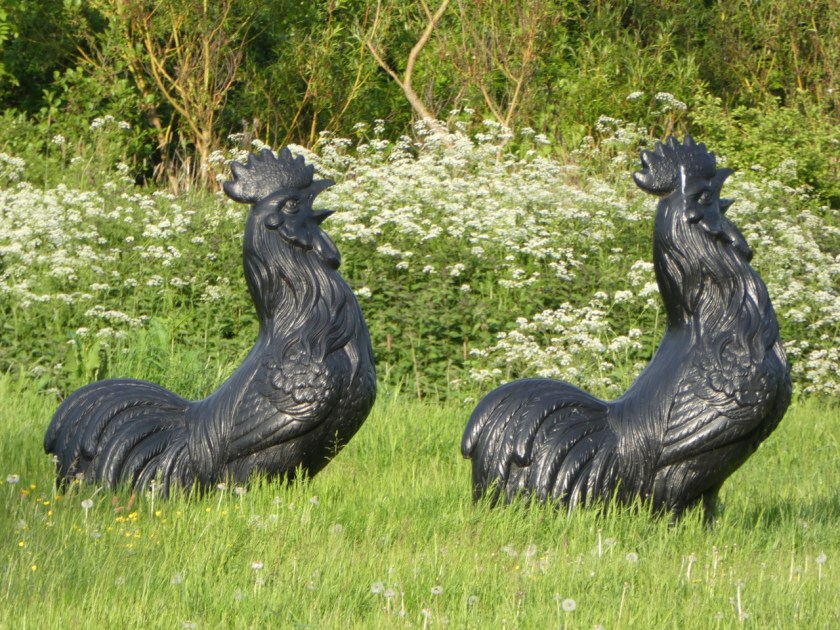
May 29th – In the meadow behind Alder Mill, just north of Atherstone, this pair of huge black cocks.

I have no idea, but just like imagining the faces of hopeful Googlers finding this post at some point in the future and being somewhat disappointed.

Interestingly, these cocks are only a a few hundred yards from a place called King Dick’s Hole.

Think I’m joking? Check a map.