#365daysofbiking Blackbirds and bees

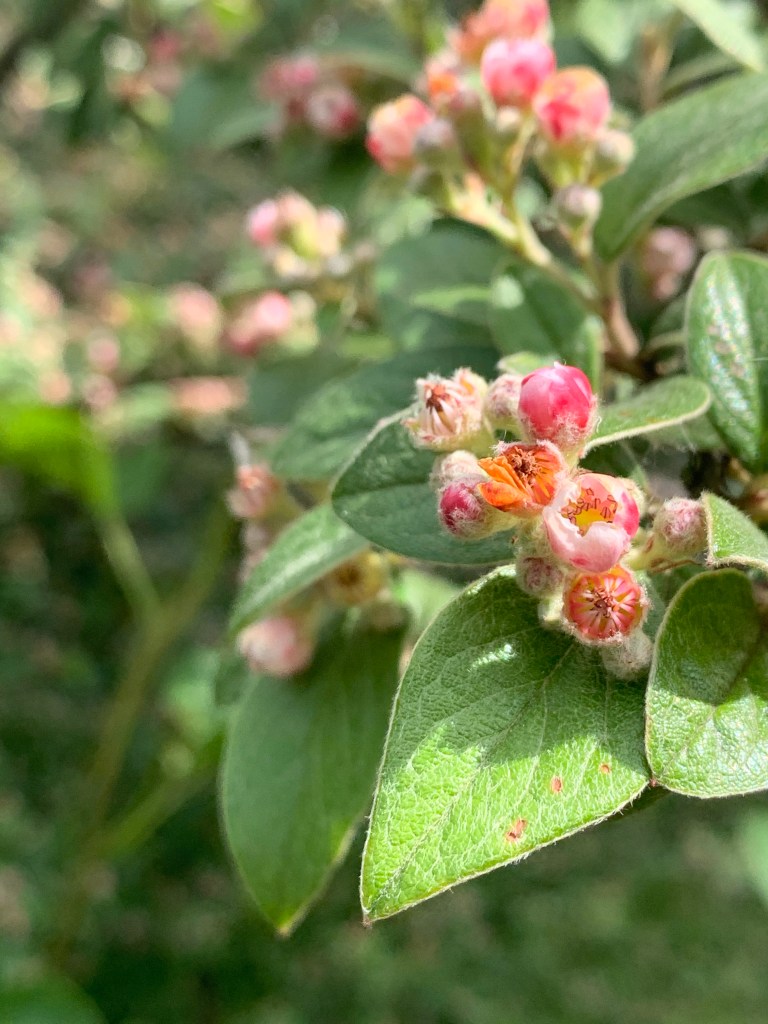
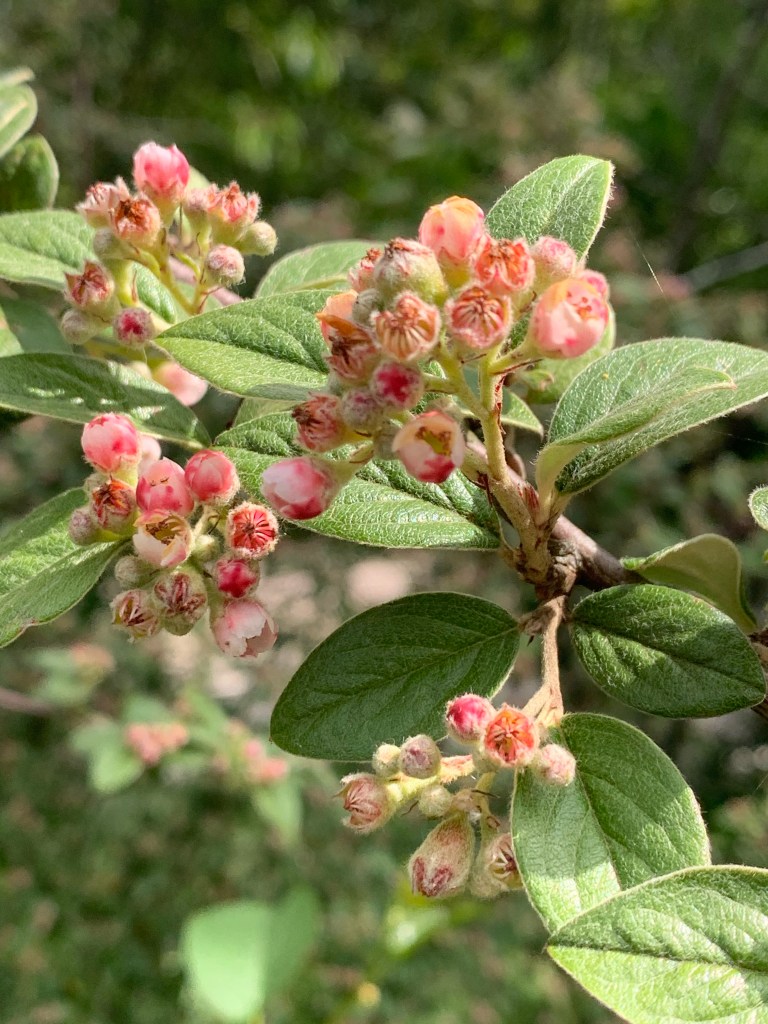
July 2nd – On the same industrial estate, a treat for the bees and bugs is blooming beautifully – cotoneaster, a stable of urban hedgerows and borders.

The tiny pink-red flowers are a bee magnet and every bush is alive with visiting insects, but not just that: These flowers turn into sugar-laden orange-red berries beloved of blackbirds and other songbirds in autumn, helping get the avian locals through winter.

Everywhere you look right now, nature is helping itself get along. It really is beautiful.

This journal is moving home. Find out more by clicking here.

from Tumblr https://ift.tt/2RQK9nR
via IFTTT

#365daysofbiking Respect your elders

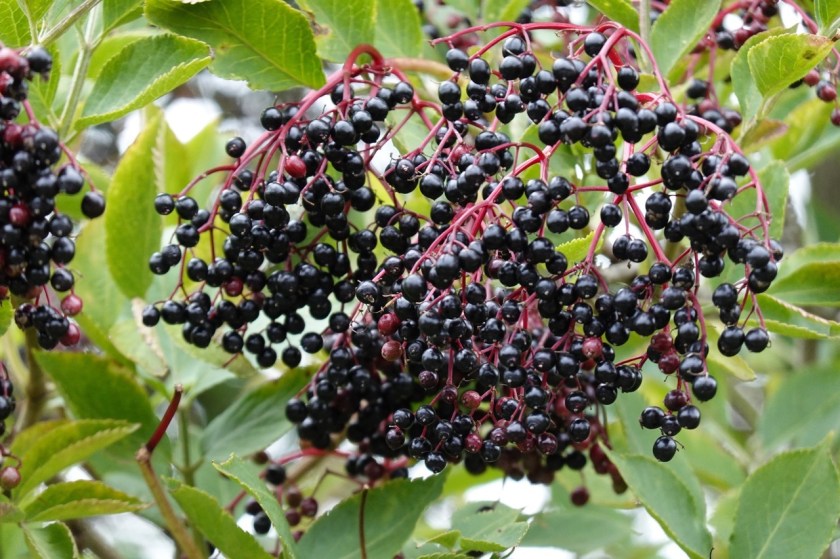
May 30th – Also blossoming now is the delightful and humble elder, a shrub beloved of winemakers for hundreds of years. It grows in woods, hedgerows, on wasteland and anywhere it can. Here in Harlaston it’s thriving at the back of Victoria Park.

The tiny, beautiful white flowers have a gorgeous scent and can be used to make wine or champagne: the berries they make way for – deep red, almost black – make a heavy, heady wine that’s almost legendary.

This gives the winemaker a tasty dilemma: White and floral or red and strong?

This journal is moving home. Find out more by clicking here.

from Tumblr http://bit.ly/2JPD0Do
via IFTTT

#365daysofbiking Red is the colour:

October 11th – On the industrial estate where I work, a grim, overcast morning was brightened considerable for yet another wonderful display of cotoneaster berries.

This shrub – for some reason like pyrocanthus – is beloved of industrial estate landscapers, presumably for the late colour. But cotoneaster is much more – the tiny flowers in high summer are beloved by bugs and bees, and come the cold winter days, blackbirds and other passerines will feast on these nutritious berries.

Such a welcome splash of autumn colour.

#365daysofbiking Still hanging on:

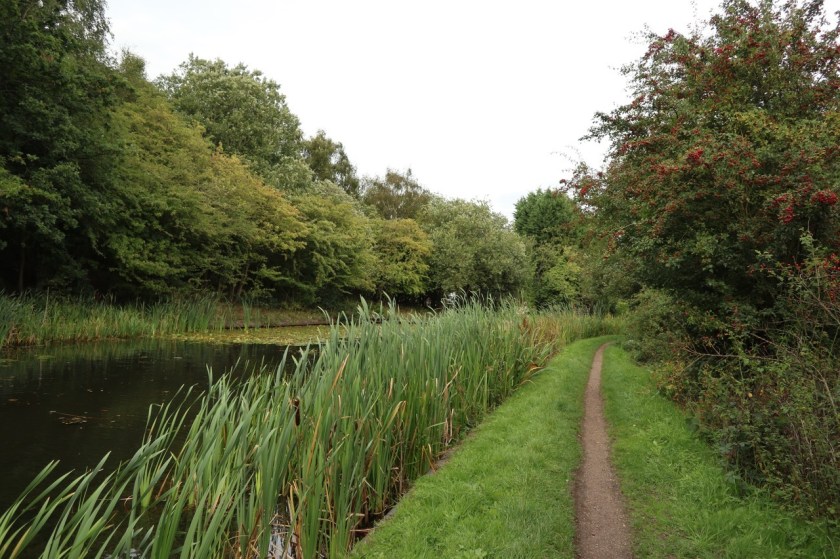
September 15th – Back on the canal in Brownhills on the way back home, the autumn was far more subtle. The hawthorn hedgerows are very, very crimson this year with hawthorn berries showing a particularly heavy harvest,  and the reed beds, grass and waterside trees are still pretty green. 

If I tried hard, I could just forget the oncoming season and still convince myself these were the end days of a great summer.

#365daysofbiking All misty wet with rain:

September 4th – A very wet commuteto work along the Goscote Cylceway on NCN 5 was actually far better than I would have expected, as the rain on on the hedgerows and berries lit them up and made them precious.

I don’t think I’ve ever seen a hawthorn harvest this heavy – from a distance the hedgerows and trees appear red.

Not a bad ride, despite the weather.

August 18th – In spite of my earlier feeling that we were in for a thin harvest, the hedgerows and woodlands are laden with berries, nuts and fruit this year. I noted on Brownhills Common that the elderberries were now showing well and in abundance, which is good news for local winemakers, who will produce a dark red, strong and face-numbing drink from these shiny, dark berries.

And long may it continue!

August 15th – Also ripening in the hedgerows and waysides are a large variety of different rose hips in a range of shades and shapes. From cherry red and almost spherical to more oval and orange.

Again, these fruits will help sustain birds and other small animals into the winter and will be bright and beautiful in the late summer when traditionally the colour from flowers subsides.

August 15th – With all the sun we’ve had, the haws – fruit of the hawthorn – are reddening up well and in copious supply. These hard, bitter berries will last right into the winter, and although not a first choice of most birds, they will sustain many when preferable food sources dwindle.

They also provide a lovely splash of noble colour to the late summer and autumn hedgerows.

July 6th – Well, all week now I’ve been talking about the onset of the fruiting season, and here it is: The first blackberries are beginning to ripen near Clayhanger.

Not sure how good they’ll be though with the chronic lack of rainfall this summer: no chance to swell those lovely purple-black berries.

It’ll be interesting to see if the end crop is as early as it feels, and if the fruit are any good…

July 5th – Always bittersweet to see the berries come; a sign that spring is well and truly gone and summer is peaking.

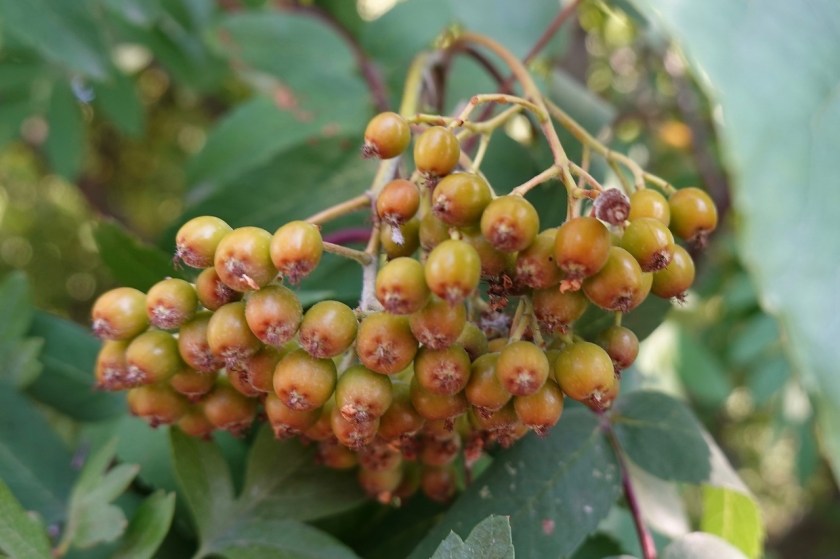
Still, the Belisha orange berries of the rowan or mountain ash are beautiful in their own right and will bring colour aplenty to hedgerows, parks, verges and thickets for weeks to come, as well as being foraged for jams and jellies.

You can’t escape the passage of summer, so best enjoy it.