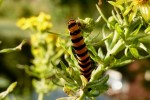
July 19th – Spotted by the canal near Clayhanger, on a ragwort plant – their favourite food – a yellow and black striped cinnabar moth caterpillar, which seem to be having a good year this year.

These stripes fellows turn into beautiful black and red moths later in the season and are fascinating.

A nice find on a hot day.

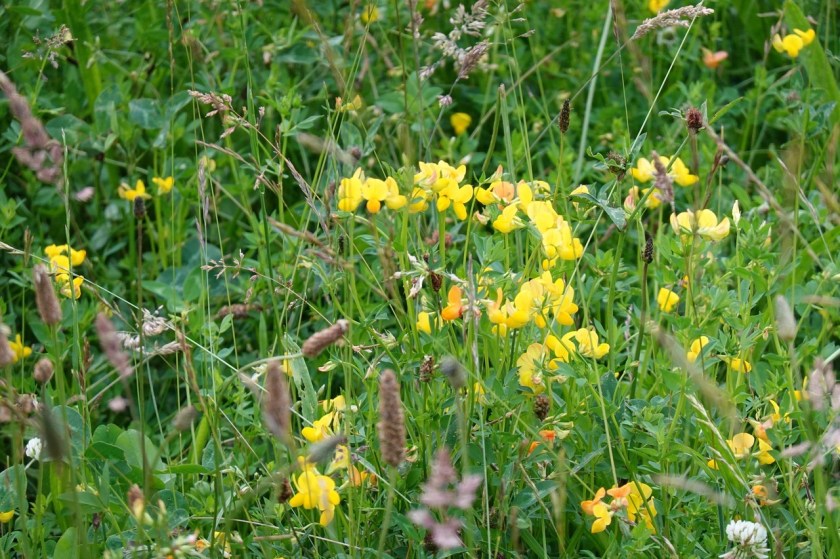
June 21st – It’s good to see that one place the Canal and River Trust mowers didn’t go is the meadow and embankment alongside the new pond at Clayhanger, where orchids, ribwort plantain, birds foot trefoil, ox-eye daisies, buttercups and many species of grasses are thriving, much to the appreciation of the bees, bugs and birds that rely on them.

Long grass and meadows are not some untidiness to be dealt with: They are essential to our ecosystem.

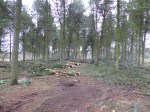
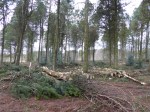
April 29th – I made another call on my way home to check out the latest work on the heathland restoration on Brownhills Common between the Chester Road and The Parade, south of the Watling Street. Much local comment had taken of mass tree felling and carnage, so I was wary.

I needn’t have worried: The careful project continues to strip out most of the coniferous trees and saplings here, and standing upon a mound that was once a conifer plantation most of my view was now the varying greens of deciduous growth. Native saplings have been left, and the whole area opened up to the light.

Yes, there are tractor tracks on the main footpath, but other than that easily remedied damage, the work seems to be sensitive and in line with original plans.

You can already see the improvements in biodiversity and birdlife here, and that can only be great for the future of this wonderful heath.

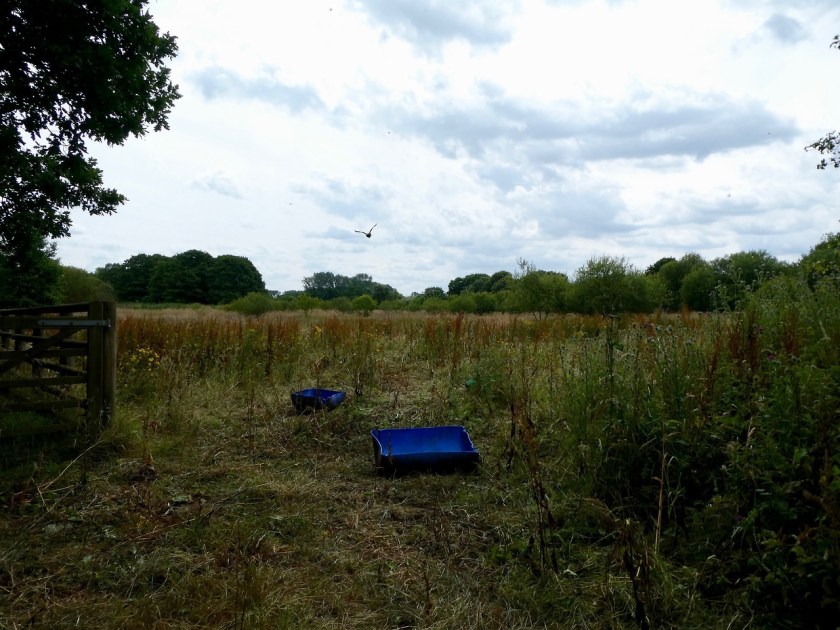
July 13th – One of those rare posts when I feature something that isn’t actually here. But was. Recently.

The spring and early summer were marked by the lack of cattle in the water meadow at Green Lane, Walsall Wood called Jockey Meadows. Every year in recent times cows have spent a few months grazing here to maintain the meadow, eating the more voracious species of undergrowth, churning up the soft ground with their feet and spreading the sloppy, fertile cowpat love.

I like the cows. If they’re there, I often stop to talk them, and I always will, because they seem to listen. I’ve missed them this year.

Well, I passed this morning and the cows have been here recently. The meadow and scrub are trampled. There are makeshift cake troughs. But no cows.

I hope they return…

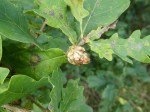
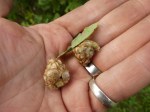
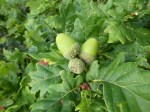
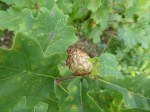
September 4th – This is an interesting find. I’m fascinated by insect galls – the aberrations caused mainly to oak trees by parasitic insects who lay their eggs in leaf and acorn buds and cause them to mutate into safe enclosures for their larvae to hatch and grow.

We mostly know oak apples, the round globes top right – often, like these, with a little hole bored in their surface where the wasp that grew within emerged. Also, I’ve featured a few pictures in the past of the gnarly, fascinating knapper and marble galls. But these are new to me.

This tree at the new pond in Clayhanger was covered in fruits that looked like hops, or alder fruit, as well as healthy, plump acorns. I’ve never seen anything like it, and so asked twitter. My old mate Posh Dave, @tringonometry came to my aid.

These are artichoke galls, yet another variety of insect parasitisation on oaks. You can read about them here.

Both nature, and the usefulness of social media are astounding. Thanks, Dave.

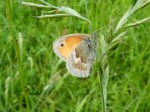
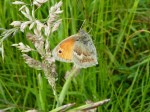
June 9th – I have no idea about Lepidoptera, but spotted this lovely moth (I think) in the flowers near the new pond in Clayhanger. It was beautiful and very active – and along with the bees and a whole host of other bugs, shows why margins and scrubs left to run wild are so very important for biodiversity.

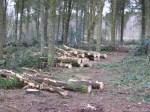
January 31st – I noted as I passed in the afternoon that the conifer plantations on Brownhills Common west of The Parade are being thinned again, as part of the ongoing heathland restoration works. It’s good to see, but I must admit, I’d probably go further here. 

The conifers were planted in the postwar period, before we really understood the importance of the heathland habitat here; they have spread rapidly and grow so thickly that little lives beneath them. This harms the biodiversity, and doesn’t provide the best environment for the deer here, who like low cover.

Restoration will take years, but it’s good to see the progress, and the physical scars will soon heal. All the cut wood here is coniferous; deciduous trees are left.

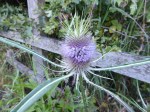
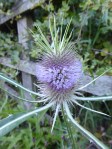
July 27th – On Clayhanger Common, there is a thriving population of teasels. A spiky, spiny, purple, prehistoric-looking plant, our ancestors used the dried seed heads to tease wool and fabric. 

Some of these plants – once a very rare sight in these parts – are six feet tall now and in rude health. A fine symbol of the biodiversity and health of the common here – which only 35 years ago was a polluted, barren and filthy refuse tip.

August 9th – Some months ago there was a brouhaha locally about plans to manage this section of Brownhills Common by removing the conifers, which are not natural here and are damaging the biodiversity of the heath.

Many locals didn’t see what the problem was. Here its is, this afternoon, in a nutshell.

Here we have open heather heath, host to a myriad of insects, small mammals, and passing deer. The heather, grasses and small, deciduous saplings are being choked by fast-growing spruce. 

What chance does that oak sapling stand against the larger conifer shading it? If left unchecked, how diverse will this spot be in five years?

This is why management is necessary. Because if we’re not careful, the heath here will be lost, together with all the species it contains.

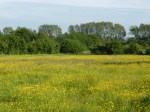
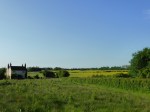
June 19th – Jockey Meadows and Bullings Heath, Walsall Wood, are beautiful right now. The water meadows are yellow – not with oilseed rape or dandelions, but millions of buttercups, clearly responding to some favourable condition they found in the dreadful spring. But what reward! Rabbits, hares, deer, all manner of birds and plants vie for attention in this gorgeous landscape, narrowly sandwiched in-between areas of huge urbanisation and industry.

I love this place, this area, my town. This, right here, is why.