January 9th – In Kings Hill, after many years of dereliction, I note someone has been working on the former Scott Arms pub. Like it’s namesake in Kingstanding, the once popular house had fallen out of favour and closed some time ago, becoming nothing more than a blot on a changing urban landscape.

This pub used to be rammed lunchtimes when there were big factories nearby – Servis and Exidoor to name but two; but in these days of workplace alcohol bans and with the workshops now housing, there was no business to keep this pub going.

I’d wager it’s future is probably flats, or as a house of multiple occupation, looking at the way the upstairs windows have been fitted. Whatever it is, I doubt the Scott Arms will ever serve ale again.

December 6th – Well, this’ll be the end then. So long, it was… memorable.

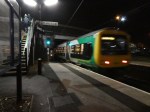
I was working away today, and whilst stood on a cold, dark platform at New Street Station in the early hours I realised that this would in all probability be my last journey ever with London Midland Trains. It’s not been a wholly enjoyable relationship, to be honest with you.

I’m not going train negative, it’s just that the local operating franchise changes on this Sunday coming to West Midlands Trains Ltd. 

The transition will be hardly noticeable of course – the same staff, the same trains, probably the same crap service – but the current rolling stock will get new graphics and it’ll feel new for a bit. In reality, it’ll be same old ordure with a different multinational putting it’s own brand of polish on the turd.

I’m concerned about the future. West Midlands Trains have been allowed to bid on increased passenger density, and I fear they’ll ban cycles. I’m concerned about some of the services I use, and whether this new team of profit-hoovers will actually tackle the staffing issues that have dogged the outfit since, well, privatisation.

Then there’s the question of new trains. Will we ever get any? With other franchises in trouble (East Coast in particular) I’m not positive.

As I watched the appropriately delayed, cut short Lichfield Service disappear into the blackness of a drizzly, windy winters night, I felt it wasn’t so much goodbye, as same old mess, different logo.

November 9th – Whilst at the war memorial, I spotted a bit of an anachronism outside the Post Office in Darlaston – this really reminded me of the heady days of the early internet revolution.

This red K6 phonebox has a banner sticker at the top pointing out you could once email and text from the phone there. I believe that was a late 90s/early 2000s thing and required a special phone to be installed in the phone booth with a qwerty keyboard – but I could be wrong. 

However it worked, I doubt theres a use for such things today with the rise of the smartphone – and I don’t know about you, but the very sight of someone using a phonebox these days looks a bit… shifty. 

How fast times have changed from ‘Press button A’!

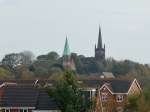
October 31st – Lunchtime, and recrossing Kings Hill to the retail park I stopped and reflected on the change here, and then noted that whilst change is good, it’s also good that some things are apparently changeless – like the twin sisters, the two churches that top the hill in the centre of Wednesbury.

I love this view, now going golden in the shortening autumn days, it looks stunning particularly in the sun, but is still remarkable even on this grey, textureless day.

They saw the factories beneath them come and go – lesser, but more dramatic temples to hot metal, oil and graft, and they now witness silently the march of the warehouse, distribution centre and retail park.

I have a feeling they’ll be seeing those out too.

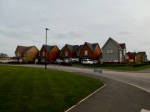
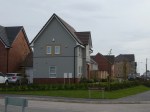
October 31st – Passing down the Darlaston Road to Wednesbury over Kings Hill, you realise that the area is changing. While it’s still very industrial, a couple of the old, large factories here have been replaced by new build housing.

The old Exidoor factory that made panic bolts was lost to apartments some years ago, and over the last couple of years, a pleasant enough, but unremarkable estate has grown on the site of the former Servis domestic appliance factory pretty much next door.

Servis was a household name, started by nearby power press manufacturer Wilkins and Mitchell who are also now gone; they made passable washing machines and the like which were functional, and often very innovative (The Servis Quartz was the first ever electronically controlled automatic washing machine) but suffered from poor quality and reliability.

Gradually outsold and outclassed by competitors due to the traditional British twin failures of lack of investment and corner cutting, Servis fell from UK ownership to various international owners before finally collapsing.

The works, which once even had it’s own brass band, fell silent, was demolished, the ground reclaimed, and now houses sprout from where the ground once shook under the blow of heavy presses. 

Such is the story across modern Britain. We are in the middle of great change.

October 30th – Not a bad day for a Monday. I had to nip to a hospital appointment at lunchtime, so left work and cycled along a sun-dappled, peaceful canal to the centre of Walsall. Turning to leave the canal and ride on to Bridgman Street, I looked at the Town Arm Junction.

This place has changed beyond recognition in my lifetime. When I was a nipper it was grimy, surrounded by blackened, semi derelict factories; there was little wildlife and the waters were nothing more than a polluted stew.

Not all change is for the worse.

September 18th – Riding through the backstreets of central Walsall, it’s getting distinctly autumnal. I keep thinking it’s too early, but then, we’re very nearly two thirds into September now, so I suppose not.

Here on the corner of Charles Street it looked lovely, and not having been here for many years, it’s changed a bit, too. Last time I was here the flats on the left didn’t exist and there was a row of Victorian factories in some decay. I remember well a cafe here I used to use a fair bit.

Ah well, nothing stays the same and time keeps moving on.

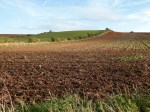
September 14th – Further on, still nestling in green, the countryside of Stonnall is beautiful. The harvest is largely over, with just maize and potatoes left in the fields, and the machinery one now sees in the lanes is for ploughing, harrowing and seeding. Near Stonnall itself, the oilseed rape fields are already growing a new crop.

And so, the seasonal wheel turns. As the cold, darkness and winter come on, these fields will slumber until reawakening in spring. It’s all part of the cycle, and the cycle is round.

It’s not been a bad summer. Just wish it had been longer…

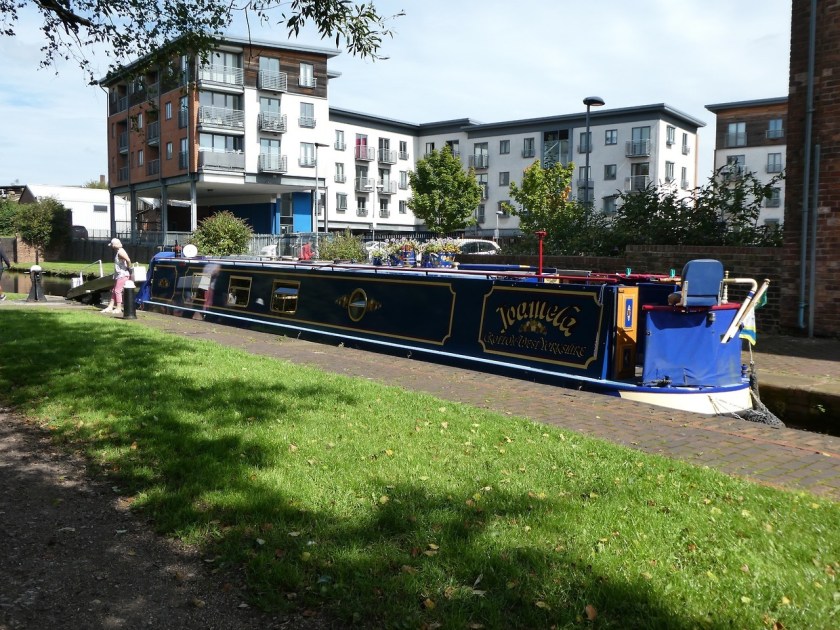
August 25th – Travellers of a different kind in central Walsall. Still feeling grim even for the sun and fresh air, my burning of the candle at both ends was finally catching up with me, so a breather and a brew watching this narrowboat negotiate the locks at near Smiths Flour Mill in Walsall was in order.

I love to see the narrowboats – and this was a good one, in a scene hugely transformed in the last few decades. Once, the boat would have been grubby, in even blacker, heavily polluted surroundings, perhaps carrying coal to the power station, but now we’re surrounded by green and modern urbanity, and the cargo is not coal, but travellers, holidaymakers or boat enthusiasts passing another once industrial town.

How times change.

July 14th – I never lose sight of how lush and green a summer is – even a dry one like this has so far been. From a familiar vantage point at Catshill Junction I can see that everything from gardens to towpaths, Clayanger Common to the thickets and roadbeds are lovely, variant shades of green.

The shades and hues change from fresh to weathered over the season, before turning more golden at the end of the summer, but are always so, so beautiful.

Cycling, and being outdoors in winter generally, makes you appreciate this so much.