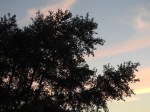

July 30th – We seem to be in a period of really dramatic sunsets again.
The same one, 30 minutes apart. So much beauty out there in the everyday if you keep an eye out for it.
July 30th – We seem to be in a period of really dramatic sunsets again.
The same one, 30 minutes apart. So much beauty out there in the everyday if you keep an eye out for it.


July 15th – As a good pal said to me a few days ago, some plants would be really cherished if they were harder to grow, and I believe this to be the case with ragwort. Deep yellow and orange, this dweller of scrubs, verges, hedgerows and fallow ground flowers profusely throughout the summer, largely ignored because it’s so common.
Scourge of horse-owners due to the toxic effect on their steeds, it’s not a well liked plant.
Which is a shame, because when you stop to look at it, it’s rather beautiful.

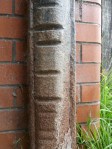
July 11th – Today I noticed an odd little curiosity I’d not spotted before. On the canal at Clayhanger Bridge, the rope guards that were installed on the original bridge were transferred to it’s replacement in 1994.
These rusting metal posts were originally at the vertices of the brickwork on the towpath side of the underbridge. Back when narrowboats were horse drawn, the guards were fitted so that the horse towropes would not groove the brickwork, but the metal instead. The years of boats passing wore deep grooves in the metal, which are a sort of historical witness to the traffic that once passed under here.
There are very few horse-drawn boats now, and the posts are merely there as an artefact. I note they were fitted slightly incorrectly in that they no longer protect the corners, and their positions have been exchanged (the wear would be on the right hand side of the post in the picture) – but well done to those who rebuilt this bridge two decades ago for preserving a little bit of industrial canal history.
How have I not spotted this before?
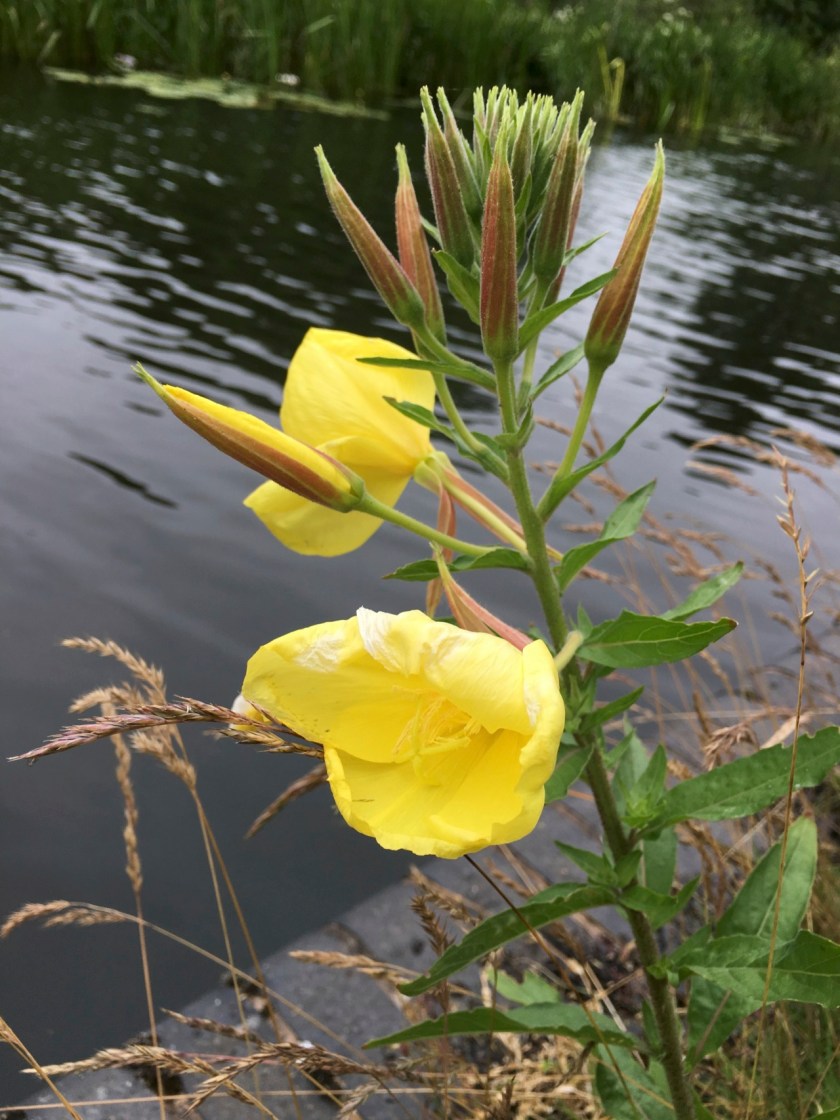
July 7th – Terrible mobile phone photo, but can anyone identify this yellow flower growing by the canal at Clayhanger? it’s a fascinating little thing, seemingly one on it’s own. It reminds me of some king of lily.
Any ideas?

July 4th – A first for the year, an oak gall. I don’t know if I’m too early or if it’s just been a bad year for the tiny wasp that creates these galls on oak trees by depositing an egg coated in a chemical which causes leaf or acorn buds to mutate and grow into a gall, inside which a tiny hatched larvae feeds, before drilling it’s way out and flying away.
I normally see a variety from mid summer on – the smooth green type shown here, marble gables which are also globular, but veined with white and pink, and knoppers which mutate gnarly growths from acorns themselves.
It’ll be fun to see if I’m early or if the yield this year is indeed quite poor.
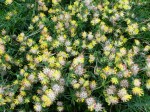

July 4th – Kidney vetch is a local oddity. I only know of it growing in two spots hereabouts – on the bank above the new pond at Clayhanger, and alongside the cycleway running along the old rail line through the Goscote Valley. These two places are entirely consistent with the usual habitat of the plant: cuffs, slopes and sandy soils.
It’s a fascinating flower, little yellow buds seemingly on little fluffy white balls of cotton-like fibre.
A real curiosity that’s worth looking out for.
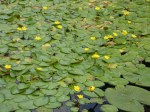

June 27th – One of the most notable changes with the cleaning up of the local canals since my childhood has been the explosion in water lilies and other water flowers that were unimaginable on the waterways of 40 years ago. Where once the water was polluted, filthy and lifeless soup, it’s now clear, limpid and at this time of year, covered in the pinks, ivories and yellows of various lilies and flag irises.
These flowers were near Clayhanger Bridge.


June 23rd – By the new pond at Clayhanger, the pear tree I found last year seems to have a reasonable crop, but it’s under attack from something bruising or otherwise damaging the fruit.
I’ve not seen anything like this before; the pears grown here last year were small, but well formed and without blemishes.
My grandfather used to say that a late frost catching the fruit blossom would ruin a crop. I wonder if this is what that looks like – after all, we did have a late and quite heavy frost this year?
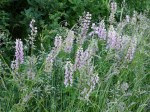

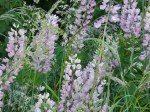
June 20th – It was terribly wet on my way to work this morning, and on the way back I was too knocked to go to the best spot, but lupins, for a reader who’s unwell.
I know you love them, but don’t get them where you are.
Get well soon old chap. I’ll find you some better ones in the week, promise.
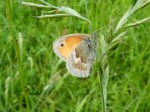
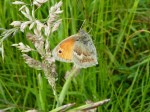
June 9th – I have no idea about Lepidoptera, but spotted this lovely moth (I think) in the flowers near the new pond in Clayhanger. It was beautiful and very active – and along with the bees and a whole host of other bugs, shows why margins and scrubs left to run wild are so very important for biodiversity.
 BrownhillsBob's #365daysofbiking