July 28th – The hazel hedge by the canal, between Silver Street pedestrian bridge and Coopers Bridge is heavy with nuts this year – clearly to the joy of the local squirrel population. Thankfully when I spotted these healthy specimens, they grey rodents hadn’t completely stripped the trees of their creamy bounty yet.

But they’re having a jolly good go, bless them.

Still can’t get into my head that w have fruiting hazels growing healthily on what used to be an open, festering refuse tip.
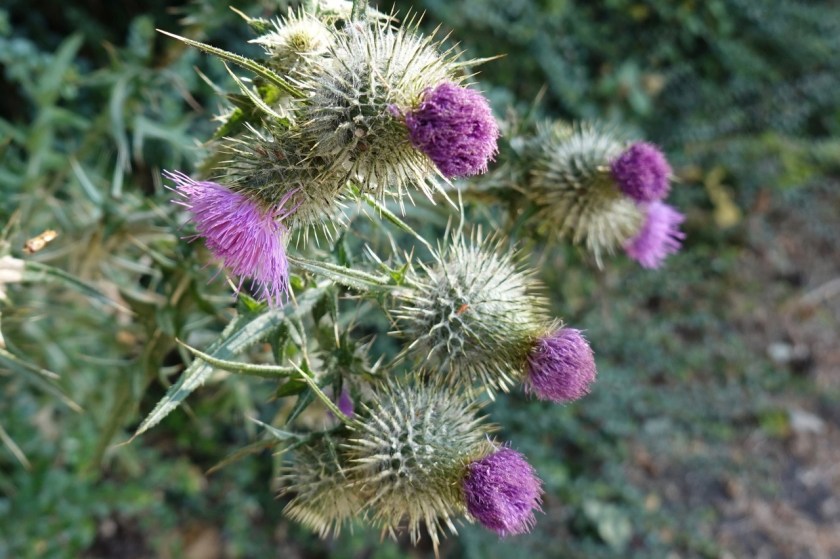
July 6th – No apparent issues with the thistles this year, however. In fact it seems a good year for them – prickly and purple, they are flowering well and in larger number than I’ve seen for a good few years – so as I suspect, water probably isn’t an issue for them like the berries, hips and haws of the hedgerows above.

The colours – from pale lavender to deep, dark purple – are always a joy. Thisles are very underrated indeed in my opinion.

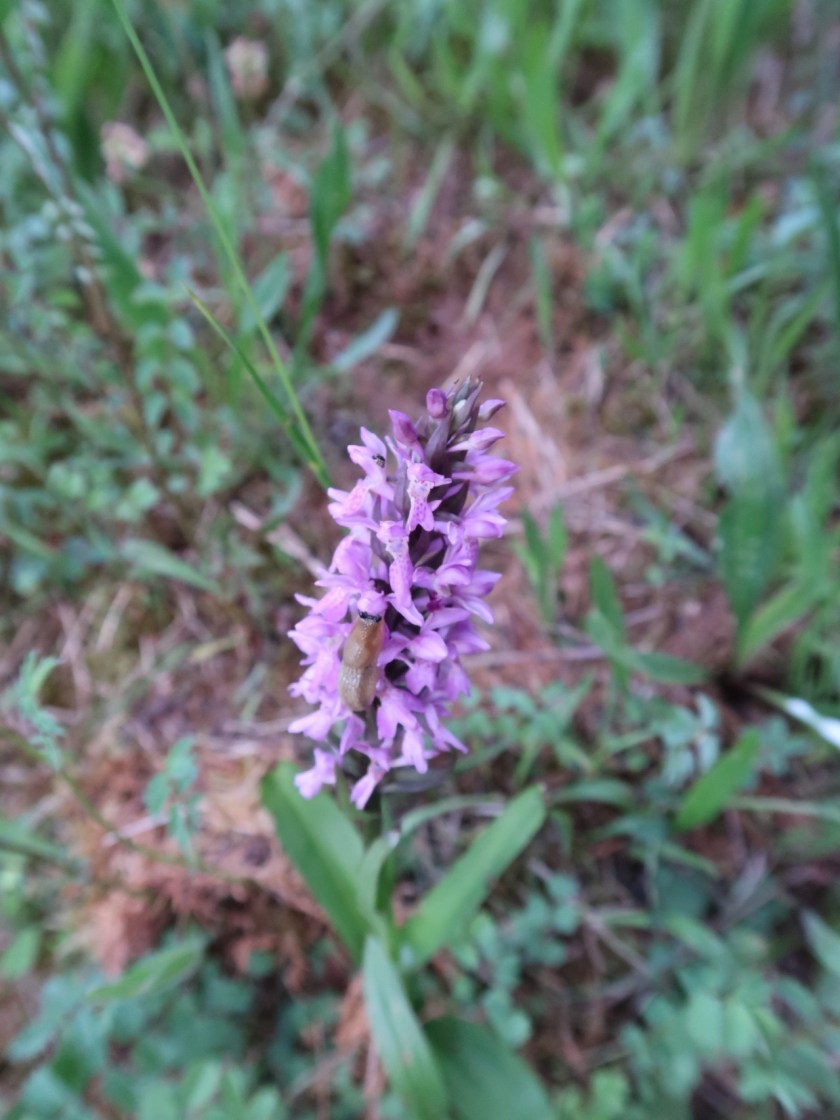
May 31st – A very poor photo with lousy focus, but another first for the season: My beloved beauties the orchids are coming into bloom.

They don’t last long, so keep an eye out on canal embankments, meadows and wetlands. We have a number of varieties, and these mall flowers are always tiny perfection.

The slug seemed to be enjoying them too – this example was on the bank of the new pond at Clayhanger.

May 30th – A sign of the advancing season is the collection of seeds for a little guerrilla planting. Clayhanger Common has large patches of cowslips like these going to seed – the seeds are not ready yet. But when the heads dry and turn golden, I’ll be out shaking a few into a back for the precious black seeds within, which I’ll then spread to other areas that might benefit from a bit of cowslip love.

That’s how most of these delightful yellow flowers got onto Clayhanger Common in the first place…

May 27th – A terrible day with some of the worst rainstorms I’ve ever seen. The day was muggy and uncomfortable until late afternoon, when the thunder started; rumbling, continual, low and then a rainstorm of such ferocity local homes were flooded, roads were blocked into the night by flash floods and an elderly gentleman lost his life in Walsall when his car entered deep floodwater.

The skies cleared in the early evening and I set out to explore, and found that the lower meadow at Clayhanger Common, designed as a flood containment bund to save the village was filling from the swamped Canal overflow faster than I’ve ever seen it.

Fearful storms and damage on a really, really bad day.

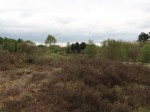
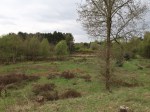
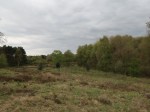
April 29th – I made another call on my way home to check out the latest work on the heathland restoration on Brownhills Common between the Chester Road and The Parade, south of the Watling Street. Much local comment had taken of mass tree felling and carnage, so I was wary.

I needn’t have worried: The careful project continues to strip out most of the coniferous trees and saplings here, and standing upon a mound that was once a conifer plantation most of my view was now the varying greens of deciduous growth. Native saplings have been left, and the whole area opened up to the light.

Yes, there are tractor tracks on the main footpath, but other than that easily remedied damage, the work seems to be sensitive and in line with original plans.

You can already see the improvements in biodiversity and birdlife here, and that can only be great for the future of this wonderful heath.

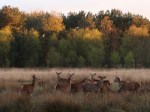
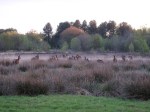
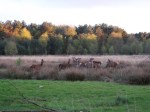
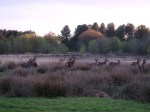
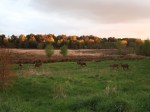
April 28th – I wasn’t riding a bike, but returning from an early evening meal, I spotted deer from the car on the north of Holland Park by Brownhills School. We pulled over and went to look.

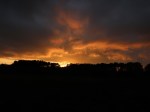
Against the odds the sunset was surprisingly good and the large herd of red deer – numbering between 17-20 – were skittish but curious.

Sometimes, all you need to improve your day are good food, good company, the people you love, a decent sunset and some wildlife.

April 26th – Clayhanger Common,early morning, not long after dawn.

Yellow army I surreptitiously helped establish here is massing around the grassland. Standing proud, in defiance of the land’s former history as a rubbish tip.

These flowers are a symbol of great progress, undercover as bright yellow, beautiful spring sentries.

May their invasion recur every year without resistance being encountered.

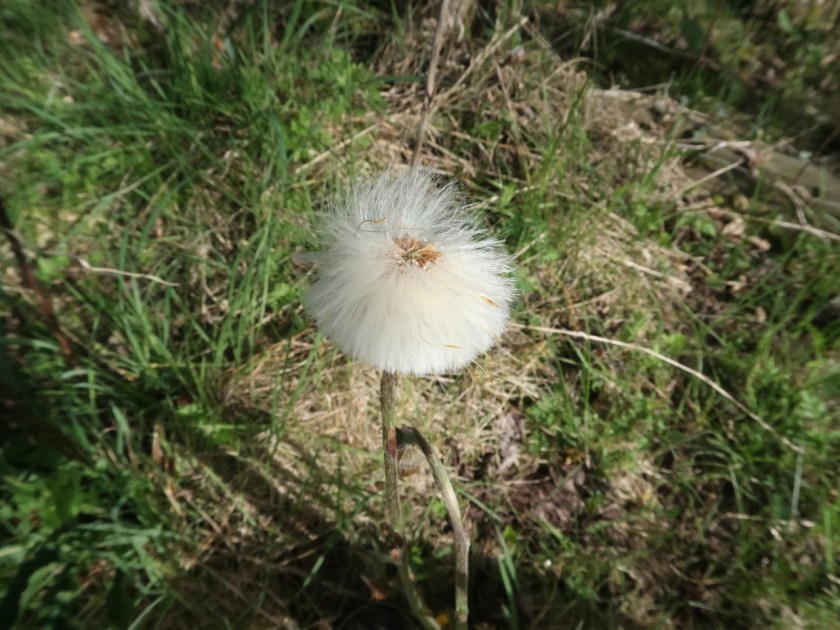
April 22nd – An odd sight in spring is always the first wind-seeding wildflowers, in this case I’m not sure what it is, possibly hawkweed. It seems almost incongruous to see seed heads at this time of year, but most flowers who seed this way do so throughout the season. 

Such beautiful, silky fluff on this one.