June 11th – On a post repair test ride, bad news.

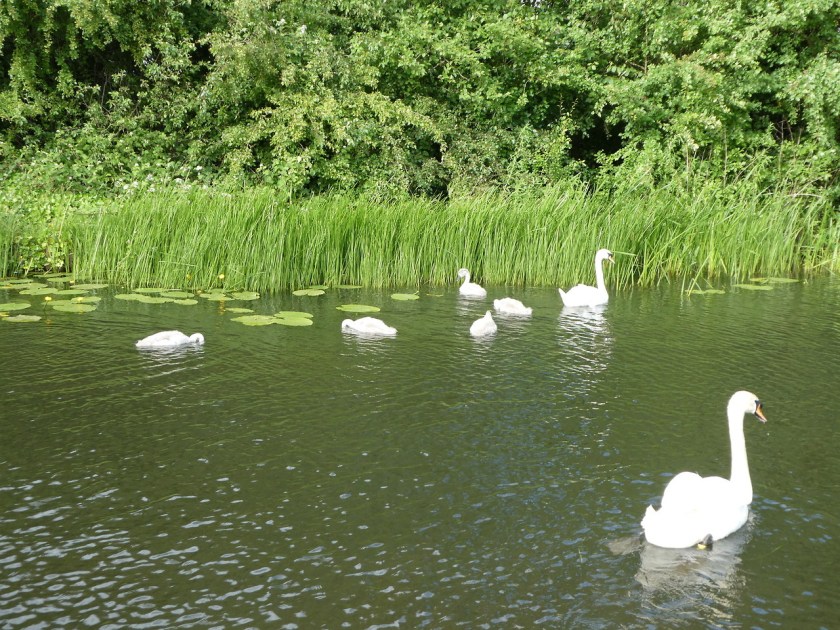
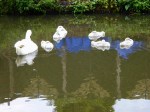
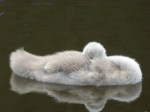
The Watermead swan family are now down to five from the original six. The remaining cygnets looked healthy and well though.

Most likely the victim of a hungry fox, it’s normal to lose a cygnet or two to predators in every urban clutch – we’ve been lucky in recent years to be relatively unscathed, but one has to remember the prodigious clutch sizes of these birds and consider that maybe some population control is natural.

When the youngsters start ground roosting separately as opposed to in a protective huddle, they are easy prey to Reynard and hopeful, the loss has been a warning to the remaining five.

Sad, so very sad – but it’s nature, red in tooth and claw.

February 14th – A day spent sleeping, relaxing, and catching up. I had business in Stonnall in the evening, so nipped down there. Progress was slow. I was still tired.

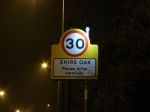
On the Chester Road just past the houses – at the spot once colloquially referred to as ‘death mile’ or ‘mad mile’ after so many accidents – new speed restriction signs have appeared. ‘Please drive carefully’. I’ve never understood this rubbish, personally. 

(Death Mile became much, much safer after the road was modified in the 1990s.)

For starters, much of the traffic passing will be too fast to read anything other than the restriction; and secondly, who the hell decides to drive with wicked abandon only to later correct their behaviour because some quango or councillor decided to ask them to drive nicely in 180-point Helvetica Black?

There is something interesting here, though. That sign didn’t originally say Shire Oak; that legend has been added on a foil applied over other text, which could possibly say ‘Brownhills’, but I can’t decide. 

Are the folk on the Hill too posh and are now pushing for independence? In these straitened days, does anyone really care that much? And before the whinging starts, Shire Oak is indeed in the parish of Brownhills. 

July 31st – It’s not lightly or without thought that I feature this, but it is part of rural life that’s becoming increasingly common on urban roads, too.

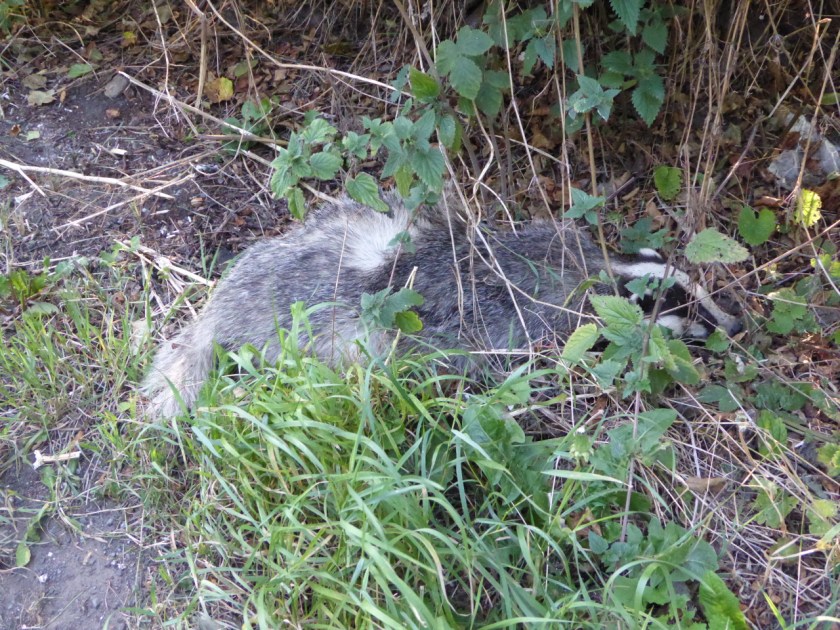
This is a dead badger, spotted at the side of Green Lane, Walsall Wood yesterday. Adult, large, and in generally good condition, he had been hit by a car. Either carried or finding his way to the hedgerow, he looks like he died peacefully there.

There ain’t a whole lot of road sense in your average badger, and they’re becoming increasingly active in urban areas like Brownhills. Please take care when driving at night, as these creatures often stumble out of hedges and verges.

They are heavy, and solid, and will do damage to cars if hit at speed, but to those on two wheels, they can be deadly.

Watch out for Brock, please.

July 15th – This journal illustrates many things, but mostly, it illustrates my ignorance. 

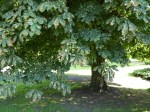
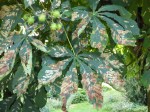
Three weeks hence I stopped to admire this horse chestnut tree in Festival Gardens, Lichfield, and noted how fine it was looking, laden with young fruit, and that it was showing hardly any leaf miner activity.

It is now. The leaves have been absolutely infested with it.

The leaf miner is a pain – it can cause early leaf fall and there’s speculation that this tiny moth larvae can cause poor fruit development, but otherwise, this infestation doesn’t affect the overall health of the tree. It just makes the poor thing look terribly diseased.

Next time, I’ll keep my mouth shut. Can’t help feeling I cursed my poor arboreal brother…

June 7th – Bad news, I’m afraid, but not totally unexpected. 

I dived out in the rain, got something to eat, and as I left, the sun came out. As the landscape gently steamed, I headed to Chasewater along the canal. I saw the swan family, who had numbered 8 cygnets with mum and dad, were now down to 7. The lost one could have been predated by a fox, stoat or mink, or could have died of illness or other cause. 

One of the reasons swans have large broods is due to the loss that’s somewhat inevitable. It’s very sad, but an unfortunate fact of nature. 

The remaining family seemed happy and well enough.

Don’t be too alarmed, but it is sobering and a reminder that nature is red in tooth and claw.