#365daysofbiking Kissed by the cold:

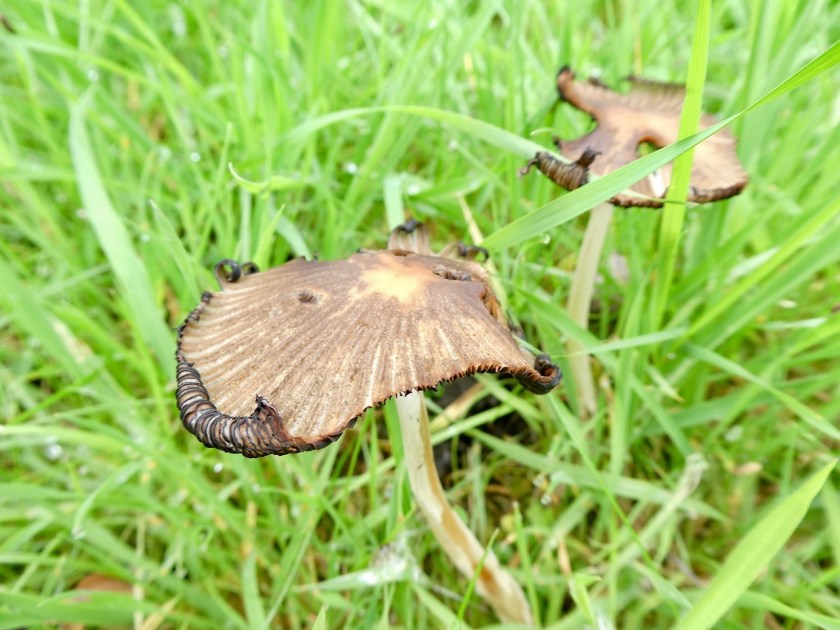
November 22nd – Pleased to note there’s still some fungi about at the moment.  The earthstars seem to have given up for this year, but these ice-coated glistening ink caps were glistening with frost when I found them in Victoria Park, Darlaston this morning.

Such delicate, beautiful things, I suppose the frost must harm them but it does look lovely.

I doubt there will be much more fungi this year now. it’s been a much better season than expected, to be fair.

#365daysofbiking Common ground:

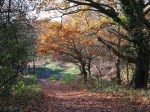
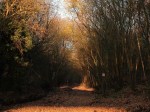
November 18th – I visited the really very good craft fair at the community centre and then went for a trundle over the commons and around the cycle trails of Brownhills – including the new part of the former railway between the Swan Pub and Miner Island. It was a lovely, golden, sunny afternoon and although chilly, not excessively so. 

The fungus on the common was still showing well, but the star of the walk was the old railway, which the volunteers of Back the Track have been making a wonderful job of. The tunnel effect of the trees that line the old railway cutting is really rather remarkable, especially in the hazy sunlight.

It’s good to be reminded of just how beautiful even central Brownhills can be.

September 26th – ne of the rewards of autumn is the abundant crop of interesting fungi. Passing Clayhanger Common in darkness, I noted that some environmental trigger – damp, temperature, never sure what – has called on the glistening ink caps and they are everywhere.

They start as perfect little ridged caps, delicate and speckled with crystals. They age very quickly, and within 48 hours they open and decay into a black goo, hence the name ‘ink cap’ – and another 12 hours, and you’re hard pressed to find any trace they existed.

Fungi are fascinating.

October 3rd – I had somewhere to call on the way back, and returned in darkness, but I couldn’t resist checking up the little forest of glistening ink caps on the edge of Clayhanger Common. 

Grown well, these curious toadstools have peaked now and will soon decay to mush.

I have no idea what triggers these busy, short-lived clumps but they’re fascinating to study.

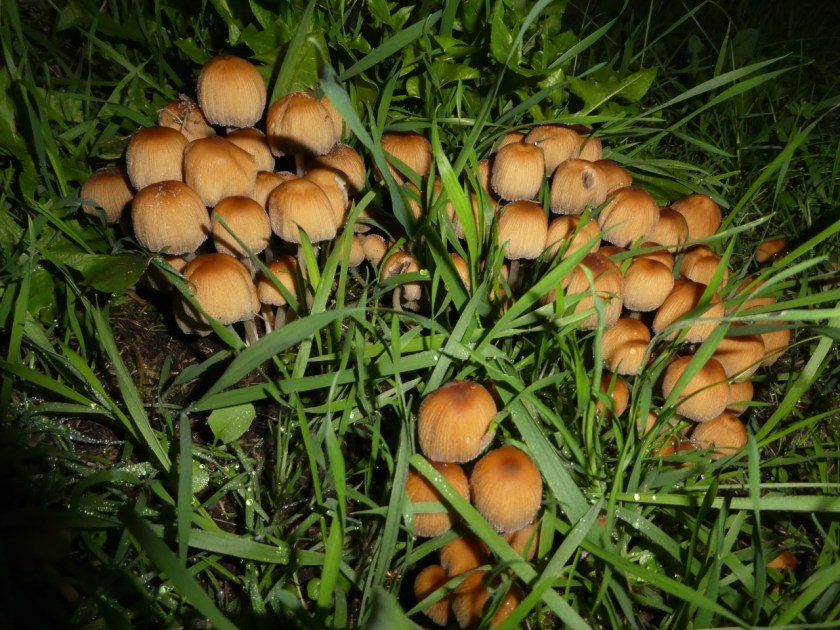
September 9th – Found in Kings Hill Park in Darlaston, a sign of the oncoming autumn. Glistening ink caps, shooting up after a night’s rain; tiny spores waiting in the ground until exactly the right combination of light, temperature and moisture. Then – ping! – instant toadstool forest.

Isn’t fungus incredible?

September 23rd – And there are other autumnal riches, too. These glistening ink caps are growing on a recently cleared area of towpath on the canal at Clayhanger. 

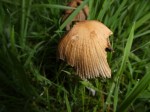
I love how the damage to the cap reveals the gill structure of the fungus. Another couple of days and these will have decayed to black slime.

Fungi are fascinating.

October 17th – I came back from Shenstone just as darkness was falling, and spotted by chance another bountiful crop of autumn. Isolated in the hedgerow at Footherley, a large, impressive and perfect group of mature glistening ink caps. These are toxic, and shouldn’t be touched, but the temptation to is huge. I love their pure white stalks and brown-black, sing caps.

I don’t think the fungi have been so good this year, maybe due to the dry weather – these are rare gems.

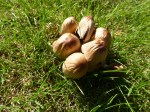
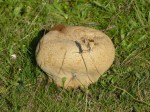
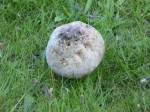
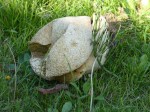
September 7th – More fungi today; spotted in open pasture near Longdon, glistening ink caps, and lycoperdon puffballs and rhizopogon earthballs (I may have some, all or none of that wrong, I leave fungi to experts). Considering the relative conformity of plant life in the UK, fungi like this looks almost alien and distinctly odd.

I think that’s why it fascinates me so much.