#365daysofbiking Farewell wellfare:

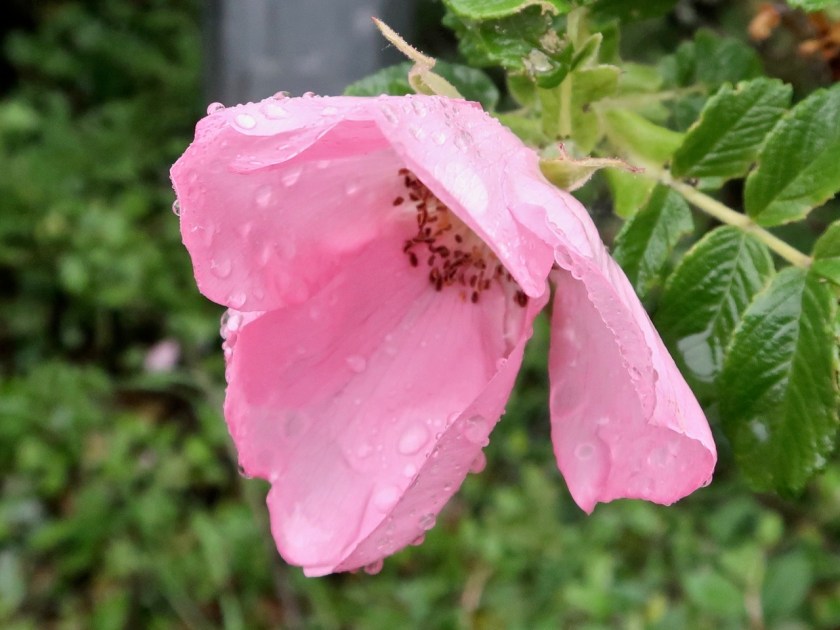
September 16th – The rain steadily increased, and I headed up the gorgeous Cross o’ th’ Hand lane to Farewell, where I called in at the church in steady rain.

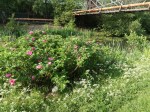
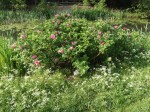
Farewell church, possibly dating back in part to the 1400s (some say earlier) is gorgeous and the rain enhanced the sad beauty of the roses in the graveyard.

A sad day punctuated with great beauty.

#365daysofbiking The rise and gall:

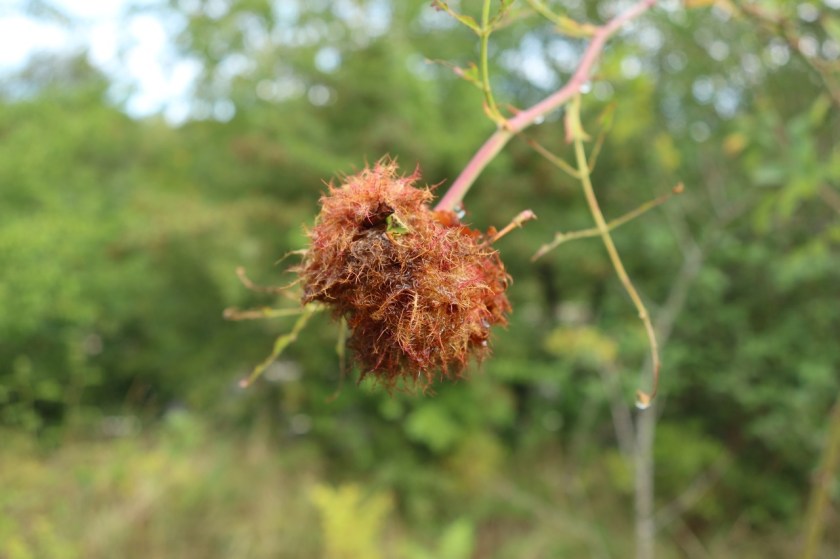
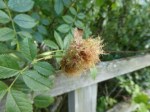
September 12th – I’ve been watching the robin’s pincushion gall I found in Darlaston mature as the weeks pass by. I’m interested to see if it shows any sign of being vacated by the insects who grow inside it, and also observe how it decays, to find out what’s under the ‘fur’.

It’s grown redder, and the fur seems to be dying away, with a cavity open on the upper side. I wonder if the wasps have left?

These creations of parasites – unique to wild and dog roses – are absolutely fascinating and I’ll be keeping an eye on this one as autumn draws on.

August 15th – Also ripening in the hedgerows and waysides are a large variety of different rose hips in a range of shades and shapes. From cherry red and almost spherical to more oval and orange.

Again, these fruits will help sustain birds and other small animals into the winter and will be bright and beautiful in the late summer when traditionally the colour from flowers subsides.

August 10th – The first ride in rain for what seemed like months took me into Walsall mid day. Refreshing, warm, sweet rain. The noise of it rang like music on the canal, and for once, I didn’t mind getting wet. The birds seemed to appreciate it, and the plants were, of course, waiting weeks for this moment. 

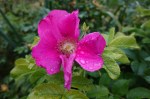
The roses at Bentley Bridge looked superb.

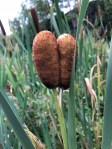
I was fascinated to note nearby too the odd double-headed reedmace, which I’ve never seen before.

A welcome change, but I do hope the sun returns soon.

July 30th – Nipping out of work in the earl m morning on a cafe run, passing a familiar patch of waste ground, I finally found something I’ve been looking for for a few weeks without luck; a robin’s pincushion gall.

This hairy mass on dog and wild roses is, like the knopper and marble galls on oaks, an insect gall; a tiny wasp lays eggs by injecting them into a leaf-bud surrounded by DNA corrupting chemicals that cause this odd growth to form rather than a leaf.

Beneath the bristles, there’s a solid ball of plant matter with cavities within which the larva grow and develop in safety; when ready, like other galls, they eat their way to freedom and adulthood.

The gall doesn’t harm the plant at all. It’s a remarkable thing.

May 25th – A dreadful commute, in both directions. It was the first rainy day for ages, so I can’t complain really by by heck it was wet. I got soaked in heavy rain in the morning, battling my way through standing water and on slippery roads; then on my return in fine, penetrating, all dampening drizzle.

The roses along the cycleway in Goscote looked beautiful on it though.

Hopefully a better day tomorrow.

May 21st – Passing through James Bridge, the feral rose by the canalside is blooming beautifully again. We’re accelerating into summer at a rate of knots now, nature has caught up in the good weather so quickly. Every single day there’s a new plant in bloom, a new discovery.

Such a wonderful time.

November 23rd – telford, early. After a stressful train journey that involved missing my usual bacon roll, I diverted from my usual route to visit a cafe for a pause and something unhealthy to fill my belly.

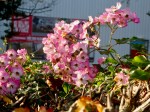
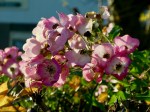
It was a sunny, cold, bright morning, and in a factory yard hedge, by a seldom-walked main road, a beautiful display of what seems to be some kind of rose.

I have no idea, but it pulled me up short with the unexpected beauty.

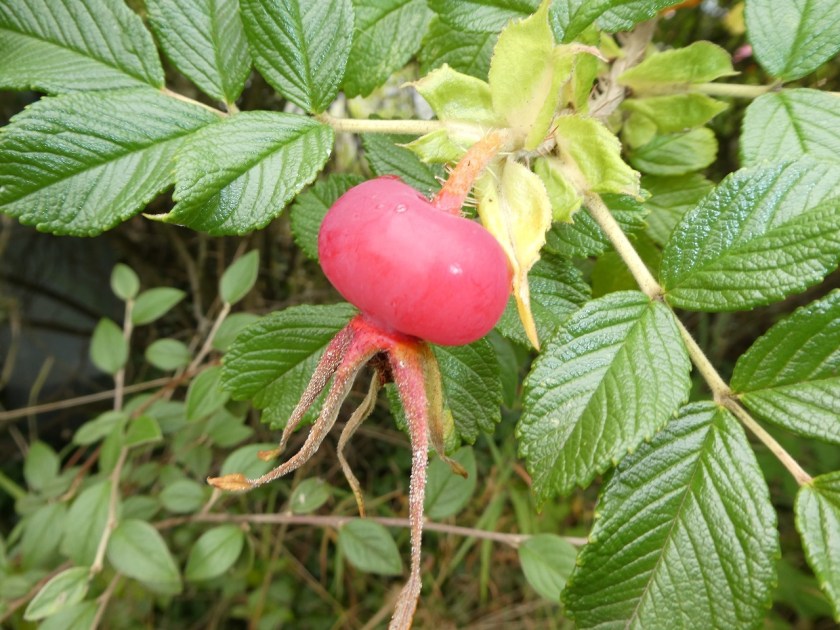
August 3rd – I’m amazed at the general variety between types of rosehips. I mentioned these sweet fruit of the rosebush on here a few days ago, and noticed today they were  developing at a fair pace now. They range from thin, almost yellow and small, to bright red, akin to a radish, like the one above, which is actually quite large. 

It’s interesting as there seems less variety in wild rose flowers than there seems to be in the seed fruit.

At this time in late summer they make for a welcome splash of colour, and will continue to be so until late autumn. A beautiful but slightly sad reminder that the season’s wheel continues to roll forward whether we like it or not.

August 1st – Also ripening well are the rosehips, the seed fruit of the various types of wild and feral rose that grow so beautifully by the towpaths and edge lands all over urban Britain. Sweet and juicy, they are sought after by birds, mammals and foragers alike.

Less common and indeed, quite a find, is the odd, hairy wasp gall growing on the same bush. This is the wonderfully named robins pincushion gall, or sometimes just moss gall.

Like oak galls, this curious mutation forms from a leaf bud on the rose stem injected with eggs and a DNA corrupting chemical by a tiny wasp. The chemical causes the leaf bud to mutate into this odd growth instead, and at the heart of the woolly mass is a solid core, in which the eggs hatch, and the larvae eat their way out when ready.

the gall doesn’t harm the rose particularly and is just another fascinating example of the ingenuity of evolution, with host and parasite developing together for thousands of years.