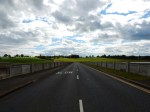
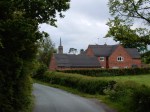
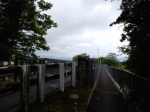
June 21st – A pleasant ride out to Blithfield Reservoir on a more settled, but no less windy afternoon. I hadn’t been this way for a couple of years and the villages, hamlets and countryside are beautiful.

Blithfield was created in the 1950s to supply water to Stafford. It’s a lovely haven for birds – an the ice cream van at the north end of the causeway still serves the best cones!

June 14th – I wanted to visit Newborough to see that elegant, French-inspired Church I’d photographed across the valley the week before. This time, I went from Lichfield, up the east side of the Trent to Walton, over to Barton, and on to Tutbury. From there, Fauld, Draycott and Newborough, before returning via Far Hoar Cross, Woodmill, Yoxall and Lichfield. About 55 miles in all.

There was a punishing headwind on the way to Tutbury, but having the wind behind me on the way back was a boon. 

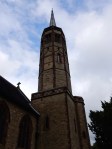
The church with that remarkable needle spire – All Saints – was by Oldrid Scott in 1901, and stands on the site of an old pub. It’s a remarkable building. Striking, imposing, and probably the most expressive of Scott’s churches.

It’s nice to see that Newborough – in the floor of a beautiful, quiet valley – is still busy enough to retain a pub and tea shop. It’s a lovely, virtually unknown village.

Stafforshire is a remarkable county.

June 7th – I went to the steam fair at Draycott, and came back through Marchington, over Marchington Cliff and back through the Needwood Valley.

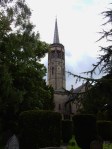
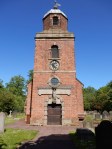
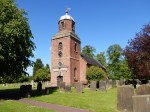
I’ve never noticed Marchington Church before – it’s very curious. It looks old, with curious, almost Eastern European influences; maybe even a little bit industrial.

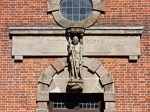
What really struck me was the unusual war memorial over the doorway.

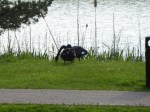
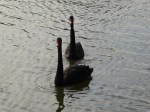
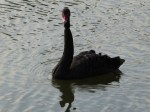
May 23rd – On my way home, I rode past the JCB plant at Rochester. The huge factory has a landscaped park in front of it containing large lakes fed by the river Churnet. On one, I was lucky enough to spot the two resident black swans, who are noted for their presence here.

Australian imports, these birds are uncommon and very grumpy that I wanted to photograph them. I love the white stripe on their bills.

A lovely thing to see.

May 23rd – Here’s an odd one. Half way up the hill, on the steep, long climb out of the manifold valley to Throwley, there’s a sheep trough on Farewell Lane. It’s a good kilometre in either direction to the nearest dwelling, and this is remote, wind-blown country. 

I stopped to lean my bike up against the trough while I got something to eat and admire the view. In it’s depths, I noticed something orange: a 6 inch long, healthy looking goldfish.

People have suggested it is put there by farmers to eat the eggs of some animal parasite – but I have no idea. It’s a very odd place to dump a fish, but I suppose it’s egg could have been transported from another pond on the feet of some bird.

A real oddity. Suggestions welcome.

May 23rd – I needn’t have worried. The first century of the year took place on a warm day that was overcast in the morning, but finished in bright, pleasant spring sunshine with little wind – ideal cycling weather. 

The Peak District was as it ever was – beautiful, challenging and in the places I like to ride, surprisingly devoid of people.

A great day – more to come tomorrow on my main blog.

May 4th – A run out in the afternoon didn’t reward me with the good weather I was expecting. It was lightly sunny (but mostly overcast), but not terribly warm, and whilst the day wasn’t the big, bad wolf of yesterday, it still had lupine tendencies.

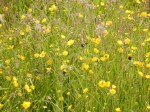
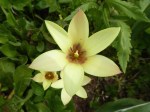
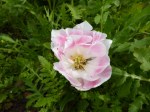
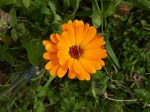
I went out to Hints to explore the Black Brook Valley which I hadn’t done for years. On the way, I spotted a wealth of bright spring flowers.

The weather may not have been brilliant, but these certainly made up for it.

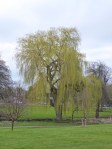
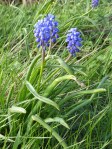
April 4th – Passing through Lichfield and back later in the day, spring really was in the air. The sun shone patchily on the rolling landscape between the canal and Hammerwich, whereas Minster Pool was dark and broody. On my return, I noticed gorgeous colour as the weeping willows are in bud in Festival Gardens, and grape hyacinths are growing well on the verges of the main roads.

One odd thing is the white plant flowering at the edge of the verges; this tiny flower is Danish scurvy grass, a formerly coastal flower that thrives beside main roads in the salty soil caused by winter gritting.

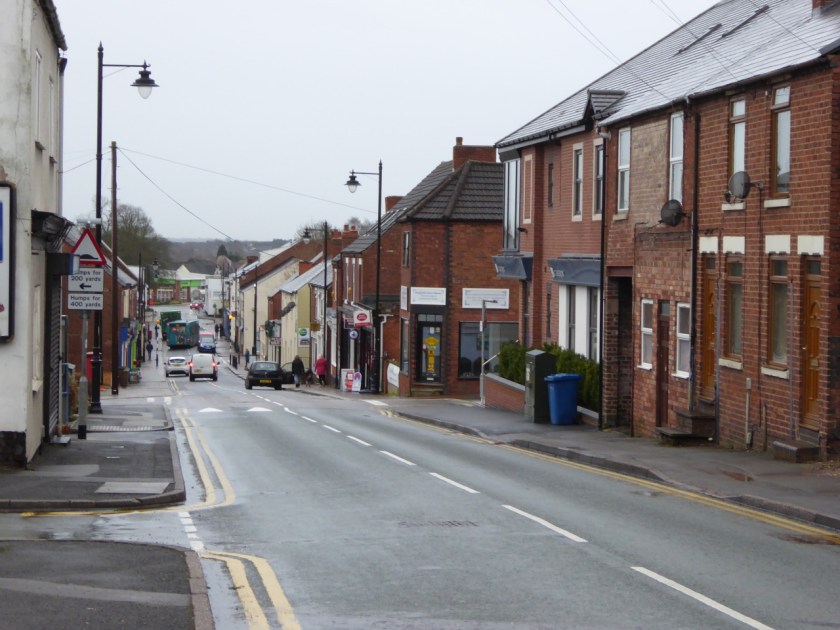
January 12th – I had stuff to do in Burntwood at lunchtime, and returned late afternoon via Chasetown High Street. It was a squally, warm but rather wet day, and not a good one to be out; but once again I was reminded of just how busy Chasetown looks even at quiet times.

Chastown is not bigger, or particularly more economically vibrant than Brownhills; but the High Street here retained most of it’s original buildings, and the ratio of business premises to to dwellings at street level is about 50:50, which always makes the place look more occupied and buzzing than it really is.

I’ve said it before, and I’ll say it again – a mix of retail, leisure and dwellings like this could well be the saviour of many dying High Streets – it makes them more welcoming by day, and after dark when the lights and reassuring presence of others makes the place seem warmer and less desolate.

Something to ponder on…

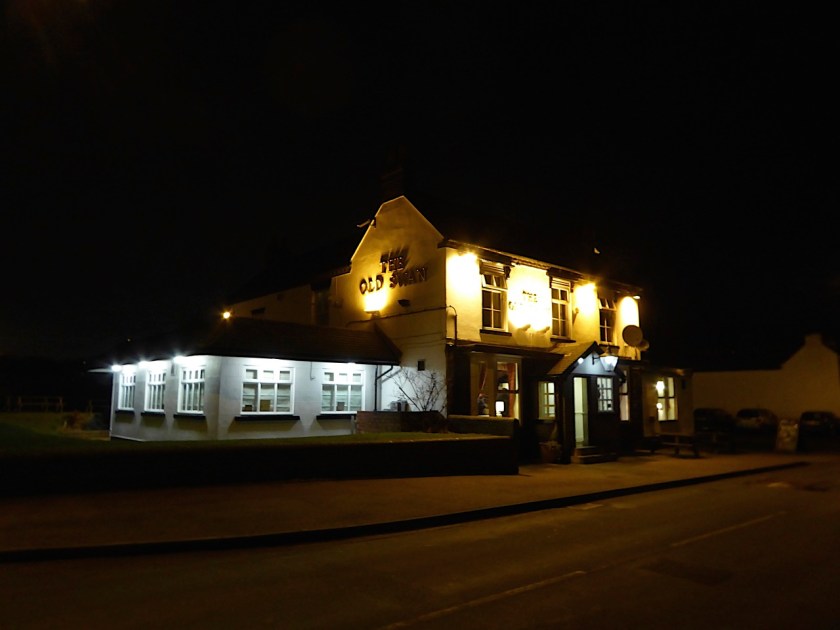
January 9th – A long day at work, and a blustery commute there and back – but at least it blew me home. Had to nip down to Stonnall on the way back, and noted that the Old Swan Pub seemed busy. A pub that’s changed hands a few times, I think in this day and age it must be hard work to make it pay. 

It looks well loved and cared for at the moment, and it looked to be humming inside.

It also looks brilliant at night.