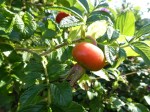
July 22nd – I think this must be the earliest I’ve ever seen ripe blackberries – albeit in small numbers. It’s so early in the season for them, I couldn’t quite believe it. Rosehips, too – summer is definitely cranking on a notch. With the bright sunshine and very warm days of late, so much fruit is ripening.

This is definitely one of the best summers for a good few years. Get out and enjoy it – it’s stunning.

July 14th – South Wigston station, where sadly some Philistine has been out with a brush-cutter and mown the interesting flowers back from the walkway.

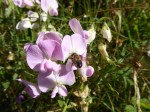
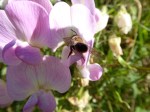
However, the sweet peas growing in the centre of my favourite patch of wilding are keeping the bees busy. 

There’s always something to cheer, here…

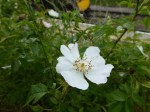
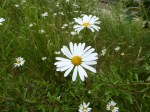
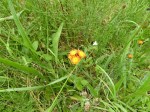
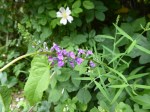
June 16th – I called in at South Wigston on the way back, to kill two birds with one stone. The wasteland at the station there is beautiful again – brambles, ox eye daisies, thistles and dog roses mingled with a couple of unknowns. Considering this land – sitting between the access ramp and the platform – is totally abandoned and no more than 15 square metres, it holds no end of delights all year round. Stunning.

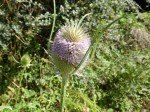
August 12th – The teasel, or dipsacus – is a great plant. Alien-looking, spiky, provider of food for finches and small birds, it grows in meadows, scrubs and hedgerows. Once used for teasing out cloth (hence the name), it’s now spread as a wildflower. These examples have matured beautifully on the wild embankment at South Wigston station, and were, unusually, the only colour there today to speak of, yet by the look of the rosebushes, we’re due an excellent crop of hips in all their red-orange glory.

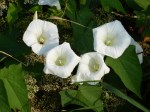
July 22nd – Bindweed, the ubiquitous creeper with Snow White flowers is in full bloom at the moment – this example was growing on Brownhills Common. Like the willowherb, it’s a plant of the margins, the hedgerows and wastelands, and normally regarded as a pest and a weed.
It is, however, a type of convulvulous related to the generally more appreciated morning glory, and I think it’s rather beautiful.

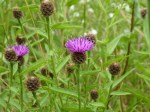
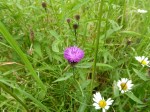
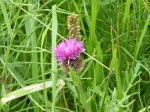
June 27th – a third day at Leicester, and another day admiring the flowers at South Wigston. I’m not sure if that’s a thistle (it wasn’t spiky) or a type of cornflower. Even the dandelions going to seed are pretty. Nothing has done more to make me look closely at the margins, the unwanted, the wasteland, than this place. Beautiful.

January 18th – One of my predominate emotions regarding the Black Country, and Darlaston in particular, is that of loss. Looking from the Walsall Canal at the James Bridge aqueduct, right on the Walsall/Wednesbury/Darlaston border, the much improved but still grimy Tame picks its way through abandoned brownfield sites and wasteland, past the gas storage depot and into the hinterlands of Bescot and the shadow of the motorway. Once, it wound its slimy way around huge factories, refineries and metal mills. IMI, Rubery Owen, FH Lloyd, GKN. Between this wind-blasted canal bank and those proud twin churches, hundreds of thousands of men, women and children worked. In vile conditions, often uneducated. The noise would have been deafening, unlike the gentle lap of canal water and wind rush I hear today. Sometimes, it’s as if their improved standard of living killed the place. They destroyed us for wanting better.

It doesn’t matter anymore.

You can’t put it back, as an old mate used to say.
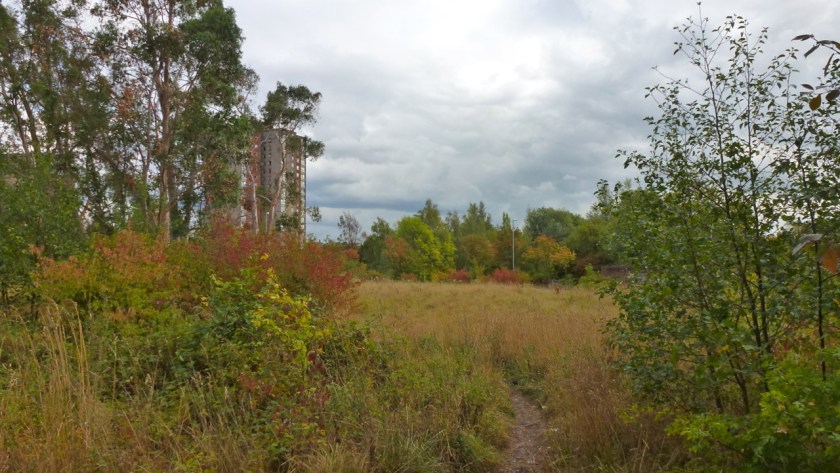
August 25th – an oddly depressing day. A quick spin out to get some shopping in took me to Brownhills. This wasteland is what used to be Silver Court Gardens – once one of the most deprived housing estates in the UK – now demolished over six years ago. Nothing has replaced the homes of the hundreds of people who lived here. Is it any wonder the town is dead? How long will Brownhills have to put up with huge tracts of desolate wasteland?