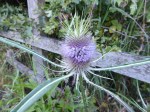
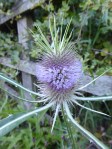
July 27th – On Clayhanger Common, there is a thriving population of teasels. A spiky, spiny, purple, prehistoric-looking plant, our ancestors used the dried seed heads to tease wool and fabric. 

Some of these plants – once a very rare sight in these parts – are six feet tall now and in rude health. A fine symbol of the biodiversity and health of the common here – which only 35 years ago was a polluted, barren and filthy refuse tip.

July 15th – Also a pain is the himalayan balsam. This tall, beautiful plant is growing in abundance now, and flowering strongly on damp waste ground, stream banks and the hinterlands and margins. It’s beautiful pink/white, metallic-scented flowers hide the real problem: this is an invasive species introduced by the Victorians.

The plant grows so tall and thickly that it chokes all beneath it, yet once established, like japanese knotweed, it’s very hard to remove.

The A461 Pipe Hill at Lichfield, and most of the verges to the waterworks at Pipe Hill are full of the stuff, season by season edging it’s way to Muckley Corner.

A beautiful undesirable.

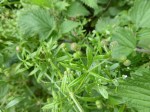
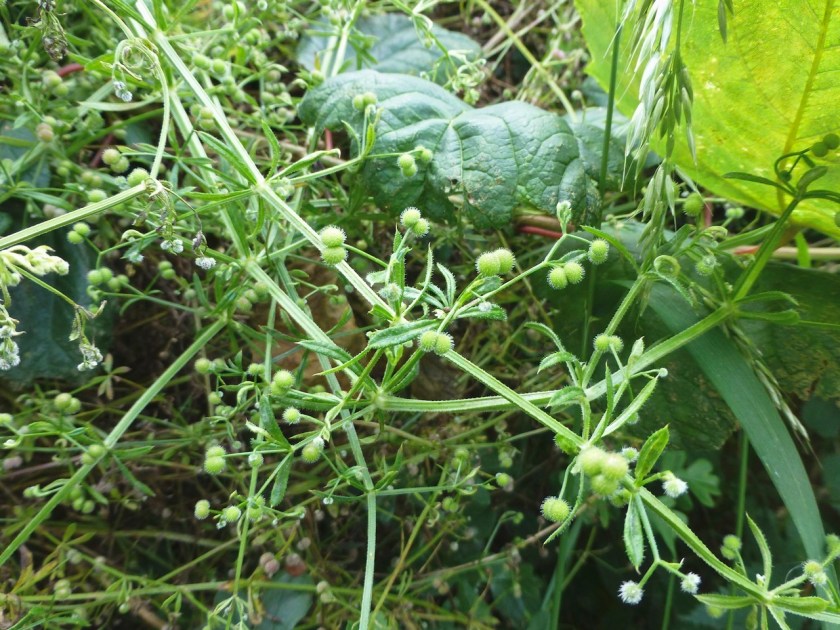
July 3rd – Cleavers, or sweethearts as they’re colloquially known hereabouts are fascinating little things. A creeping, grippy weed, it elevates itself from the ground by hooking on to other plants with it’s spiny, sticky hairs. The seeds themselves employ the same mechanism of almost velcro-like attachment, adhering well to clothing, feathers and animal fir. 

The owners of dogs and cats with longer coats will know well the hours spent picking these devilish little balls out of their animal’s hair… but as a seed dispersal tactic, it’s brilliant, as animals preen the seeds out, and they germinate where they land.

Natural engineering is damned clever.

I’ve no idea what the bug is, but he’s an interesting wee thing.

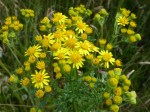
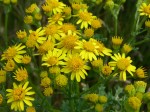
July 3rd – Ragwort is one of those plants that everyone recognises, but few ever stop to look at. It’s rather beautiful. This plant was growing in Mill Green, and looked gorgeous as I passed this morning on my way to work. The buds are gorgeously dainty, and the shades and complexity of the flower parts themselves is wonderful.

At this time of year, it provides a welcome boost to the other, fading yellows of the hedgerow and verge.

Another weed that really deserves a bit closer study.

August 15th – It’s amazing how much Chasewater has recovered in such a short time – in 18 months it’s gone from being barely more than an overgrown puddle to a full reservoir, with a recovering, rich biodiversity. I noticed a week or so ago what I thought was red algae on the western shoreline, but it actually turns out, on closer inspection, to be what I think is persicaria amphibia, or water knotweed. I think this is an introduced species, and may well be invasive, I’m not sure. However, it’s very pretty with delicate pink flowers that float in beautiful clumps.

Any knowledge or correction welcome.

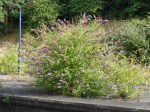
August 7th – There is a destructive force in our midst, reducing brickwork to rubble and invading any scrap of greenspace. Alien? Hardly. It’s buddleia  – an invasive shrub that infests the hinterlands, margins and rooftops of urban areas. Able to grow in the most precarious of situations, an accumulation of soot and grime in a brickwork fissure is all it takes to grow. Once taken hold, it’s very hard to eradicate, and the power of the roots to split apart man-made masonry cannot be overestimated.

This time of year, it’s in full, glorious purple flower. A joy to behold, unlike the damage it causes. 

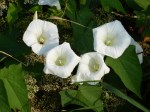
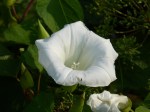
July 22nd – Bindweed, the ubiquitous creeper with Snow White flowers is in full bloom at the moment – this example was growing on Brownhills Common. Like the willowherb, it’s a plant of the margins, the hedgerows and wastelands, and normally regarded as a pest and a weed.
It is, however, a type of convulvulous related to the generally more appreciated morning glory, and I think it’s rather beautiful.

August 7th – Can’t find the proper name for this stuff – I’m sure one of you guys will know it. We call it sweethearts. Anyone who’s ever owned a cat or dog with longish hair will know these troublesome seeds. They stick like velcro to fabric and fur alike. I’ve spent hours removing them from animal’s coats. It’s a very neat seed dispersal method, and this year, the prolific weed that bears them seems to be doing really, really well. A fascinating pain in the arse.

June 29th – Nipping to Aldridge later that day (I cruise through all the posh places dontchaknow), I took the canal up through Walsall Wood. As summer advances, the floral pallet changes. The hedgerows and wasteland are now full of beautiful white bindweed, or Creeping Jenny as it’s sometimes known. Although considered a weed by most, I love the ivory white flowers and variety of bugs they attract.