July 15th – As a good pal said to me a few days ago, some plants would be really cherished if they were harder to grow, and I believe this to be the case with ragwort. Deep yellow and orange, this dweller of scrubs, verges, hedgerows and fallow ground flowers profusely throughout the summer, largely ignored because it’s so common.

Scourge of horse-owners due to the toxic effect on their steeds, it’s not a well liked plant.

Which is a shame, because when you stop to look at it, it’s rather beautiful.

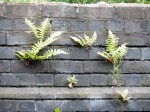
August 17th – Between Darlaston and Pleck on the Walsall Canal, near James Bridge, the old turnover bridge for the defunct Anson Branch. It’s just as well the line is truncated now, as that huge pipe renders the turnover aspect of the crossing pointless. 

It’s fascinating to see the bracken, buddleia and other weeds gradually dismantling the blue bricks. Gentle, oh so gentle hydraulic pressure gradually and steadily cleaving mortar from brick, using any crack or fissure where a scrap of nourishment can be found.

Nature is remarkable in it’s determination.

25th June – It’s easy to overlook the weeds and commonest wildflowers, but also a crime. I love dandelions, buttercups and daisies – they’re the unsung, everyday background to many beautiful views. After all, what would a gorgeous summer meadow be without them? Yet how often do we really study these most common of flowers?

I love daisies in particular. Delicate, colourful and hard, they are a real success of the British ecosystem, yet few ever give them a second thought.

Here’s to the common, but unseen.

June 4th – Here’s to the dull ones, this that blend in to the background, and perhaps even those that are hated.

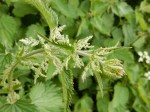
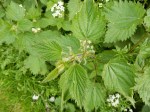
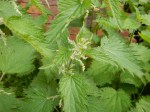
Nettles are prolific and fascinating – from the dead, non-stinging variety to those that cause sudden anguish and itching are everywhere – and they’re actually fascinating if you stop and study them.

One of the most important things they do is support the beauty of peacock butterflies whose larvae feed on these lowly-regarded weeds.

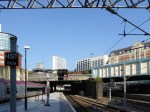
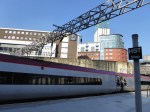
July 1st – New Street Station is still a mess, still barely functional, and mostly, I think, now beyond reclamation. But on an early summer sunny morning, there’s something about the concrete, steel and surrounding architecture that renders it if not impressive, then rather fascinating. Architectural styles and textures clash. Machinery grinds and rumbles. Rails screech and clatter. Overhead wires buzz and crackle.

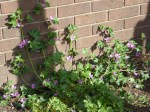
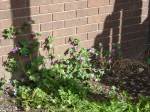
In the midst of this, the most unnatural, built environment that one would consider utterly hostile – signs of life. Shrubs and weeds, their seeds deposited by birds or wind, by luck find a little moisture, a sheltered fissure and just a little nutrition.

If only human design had such bare-faced tenacity, audacity and beauty.

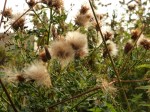
August 27th – I noted recently that rosebay willow herb is called ‘old man’s beard’ due to the white, fluffy, wind-borne seeds it spawns at this time of year. Another prolific source of the familiar ‘fairies’ that float on the breeze are thistles, also plants of the margins and hinterlands. Gorgeous at the moment in their downy decadence, they are a food source for small birds like finches, and also for any passing donkeys, who love thistles with a passion.

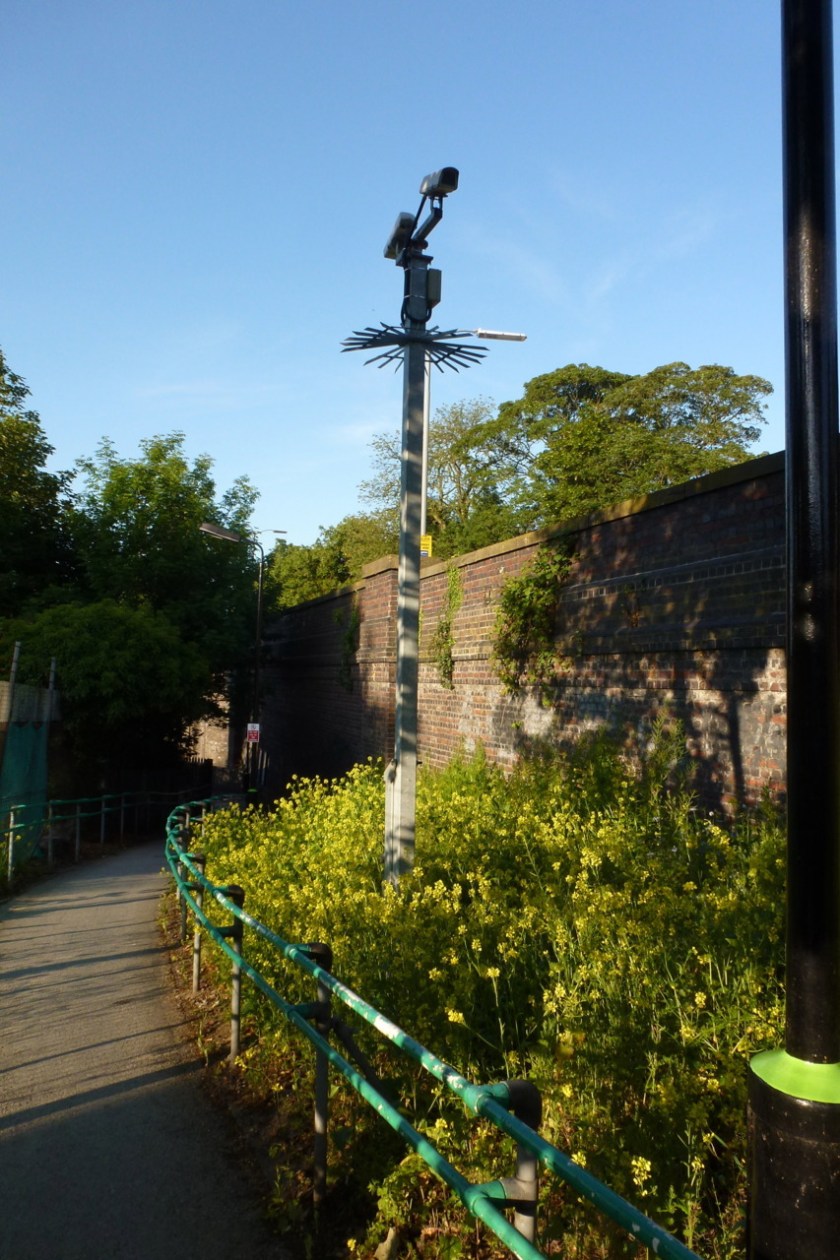
June 2nd – I noticed while wandering down to the train that this patch of forgotten weeds beside the access ramp at Four Oaks Station was, in fact, a thriving crop of oilseed rape. I can’t imagine anyone actually planting it, so I wonder how it got here – there aren’t any fields for some distance, and the seeds don’t blow on the wind. Was this an act of guerilla cultivation? 

Whatever, it’s a cheerful sight and smells lovely.