January 24th – The awful news of the tragic, senseless death has left me, like many other local people, hollow, hurting and shell shocked. It has cast a long shadow over the town and a community reels in shock.

Getting to work after riding in a torrential, early morning downpour, I was wet, spare, lost and disheartened.

But then, on the grass outside the front of my workplace, I noticed specks of white in the gloom I expected to be spilled polystyrene or litter.

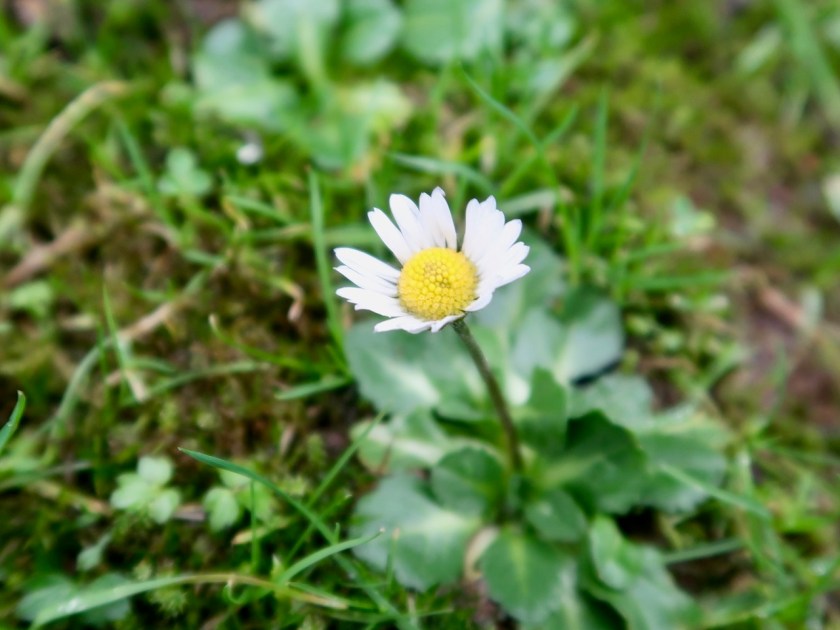
They wer daisies. optimistic, bright, open daisies, pushing for the sky, hopeful of sun, better days and spring.

And after finding them, I was just a little bit lighter.

October 8th – A better day when the sun periodically graced us with it’s gentle, warming optimism, and since it’s autumn, where better to go than Cannock Chase? It’s one thing I miss in summer; the Chase is far too crowded to ride much in summer, making every ride a trial of concentration and nerves, but at the cooler, damper end of the year it’s virtually deserted in the best parts and people rarely venture there.

I hauled myself up over Pye Green and to Brocton Field before descending into the Sherbrook Valley and over Milford and Shugborough and back along the canal to Rugeley and then home through the night-time lanes of Longdon.

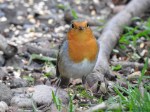
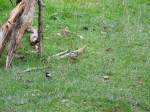
A great ride tat cheered me up totally – and I’d forgotten the improvised birded feeding point up in the car park off Chase Road for Freda’s Grave – I watched birds happily feeding for 20 minutes, captivated by their antics. It was also wonderful to see a nuthatch, which is a first for me – it reminded me of a land-based kingfisher. The colours are gorgeous.

We need more decent weather days. I need more of this in my life right now.

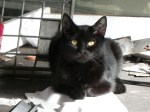
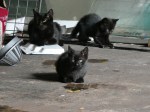
29th September – Near Walsall, my attention was snagged on a bright, sunny morning by a small family, apparently living in an open, junk-cluttered garage just off a main street. They seem healthy, happy and don’t look malnourished. Clearly wary of humans, but mum, who was attentive and nervous of me, stood her ground and watched her kittens closely.

A rare treat. I have passed this with the location to the Cats Protection branch as I strongly suspect these cats are feral.

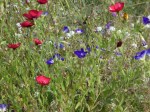
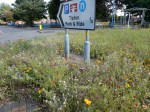
September 12th – Remember that traffic island planted with wildflowers I found in Tipton way back in the summer? I passed it again today in the sunshine and it’s still very, very beautiful.

Although the huge mass of flowers is gone now, there are still plenty of diverse, beautiful and understated blooms attracting bees and bugs. And it still gladdens the heart.

When people tell you we live in a dreary, ugly, industrial place, think of this, and smile.

August 12th – One local treat I look forward to in late summer is local growing wild apples.

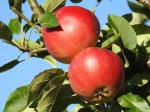
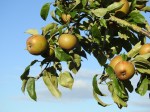
I don’t know who planted the row of fruit trees of different varieties which I discovered in a remote spot 10 years ago, but they tend to fruit copiously and the delicious apples, ungathered, rot on the ground. Every year for a decade, I’ve made a point of passing, checking the crop and gathering a pocketful. This year the russets are a little hard and tart, but the cox’s are delicious.

A lovely little local secret.

August 1st – Also ripening well are the rosehips, the seed fruit of the various types of wild and feral rose that grow so beautifully by the towpaths and edge lands all over urban Britain. Sweet and juicy, they are sought after by birds, mammals and foragers alike.

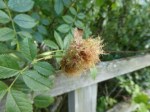
Less common and indeed, quite a find, is the odd, hairy wasp gall growing on the same bush. This is the wonderfully named robins pincushion gall, or sometimes just moss gall.

Like oak galls, this curious mutation forms from a leaf bud on the rose stem injected with eggs and a DNA corrupting chemical by a tiny wasp. The chemical causes the leaf bud to mutate into this odd growth instead, and at the heart of the woolly mass is a solid core, in which the eggs hatch, and the larvae eat their way out when ready.

the gall doesn’t harm the rose particularly and is just another fascinating example of the ingenuity of evolution, with host and parasite developing together for thousands of years.

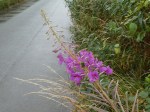
July 22nd – The rain was insistent, but warm and pleasant, too. I took the long way home from the supermarket via Stonnall and enjoyed the cool, damp petrichor scented air, and it’s gilding effect on the flowers and foliage.

At Lower Stonnall, the willowherb, glistening with fresh crystal raindrops, was fascinating and beautiful. 

June 25th – better day, but not for the weather. I was looking forward to a longish ride out, but the ongoing local issues and squally weather meant the ride I’d hoped for wasn’t going to happen. I contented myself with a loop around Brownhills, Chasewater and Walsall Wood.

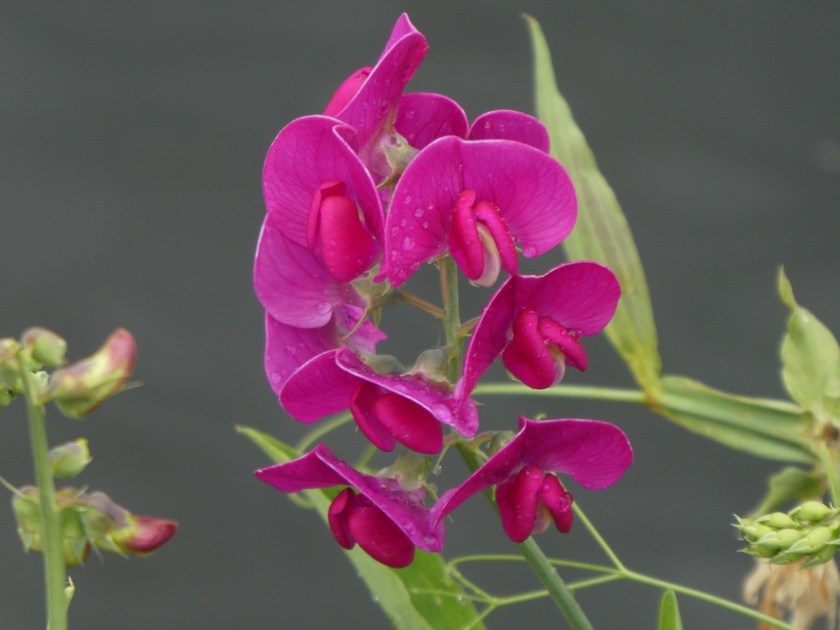
At Anglesey Wharf, despite the poor day, the wild sweetpeas have clearly survived the scrub clearance last Autumn and are blooming beautifully around the old coal-loading chutes.

They cheered me up immensely, and I still find it remarkable that such lovely flowers sprout from what was once a dirty, grimy place. fantastic to see.

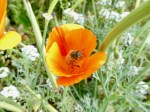
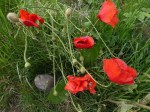
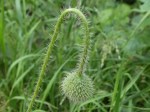
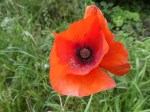
June 9th – It’s the season of poppies, and there are some beautiful examples in the hedgerows, edge lands and waysides locally. I prefer these little clubs in forgotten, neglected spaces. Ragged, at various stages of maturing and going over, these to me are real poppies; dramatic, beautiful, natural, and naturally flawed.

I even love the alien-looking buds, almost prehistoric in their furry splendour.

I spotted these in the sandy embankment just by Shire Oak Quarry on my return to Brownhills.

A true hero of the hedgerow, and a worthy and apposite symbol of Remembrance.