July 8th – Always pleased to see the wild sweet peas growing around the old coal loading chutes at Anglesey Wharf near Chasewater. They are a symbol of change for the better.

As recent as 50 years ago, this was a busy, filthy and polluting coal loading interchange between road, rail and water. Coal was loaded into a continual stream of narrowboats and the sea was treeless and devoid of life.

The coal here stopped in the 1960s, and nature reclaimed – but the coal chutes stayed, a monument to an industrial past.

Now, surrounded by greenery and wildlife, they are an anachronism, but the sweet peas bloom and speak of peaceful, cleaner, better times. A lovely sight.
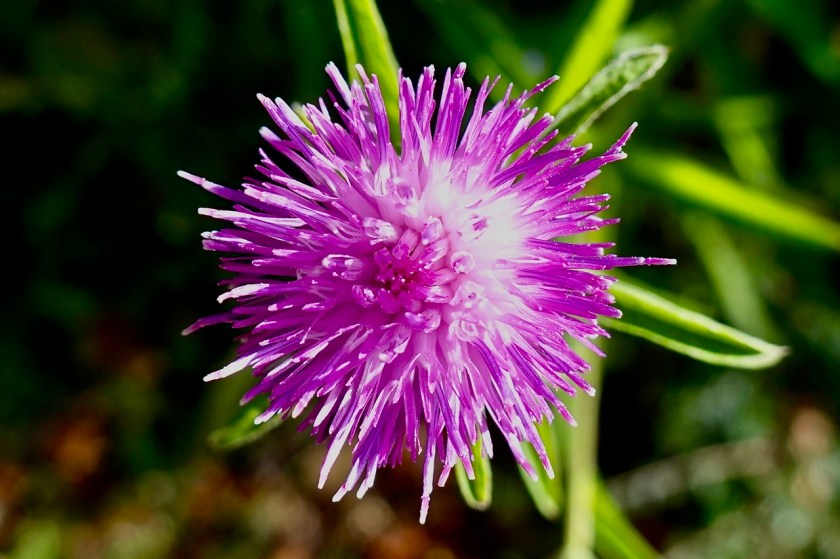
July 3rd – Growing along just about every lane, track, cycleway and footpath at the moment, a very much overlooked purple wildflower.

No, not thistle, but knapweed. Similar, knapweed is not hostile or prickly, but flowers similarly in strong purple, a favourite of pollinators and a great source of high quality nectar, it’s seeds feeding many songbirds too.

Sometimes the best flowers fly under the radar.

June 28th – One thing that is absolutely beautiful this year and I haven’t mentioned to my shame is the vetch. This beautiful, delicate purple flower is absolutely everywhere and very beautiful.

It’s one of my favourite summer flowers and lasts for ages, whilst growing in some of the most inhospitable edge lands.

A real summer treasure.

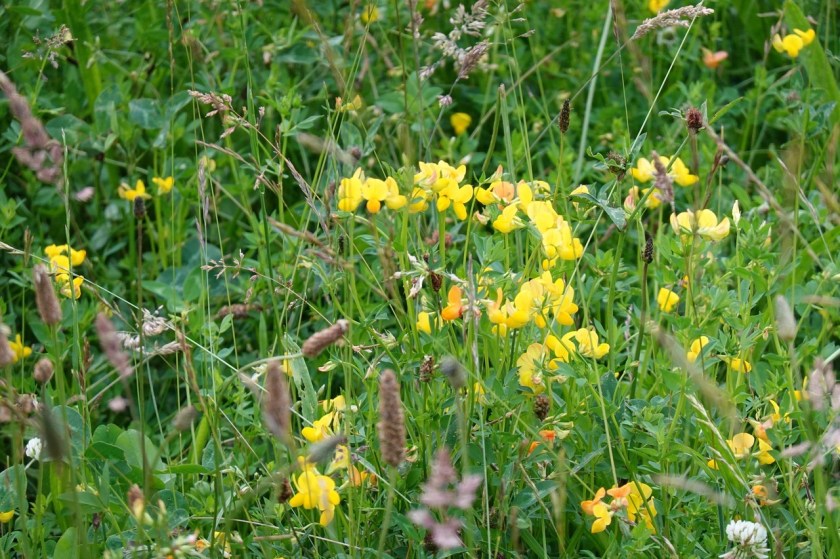
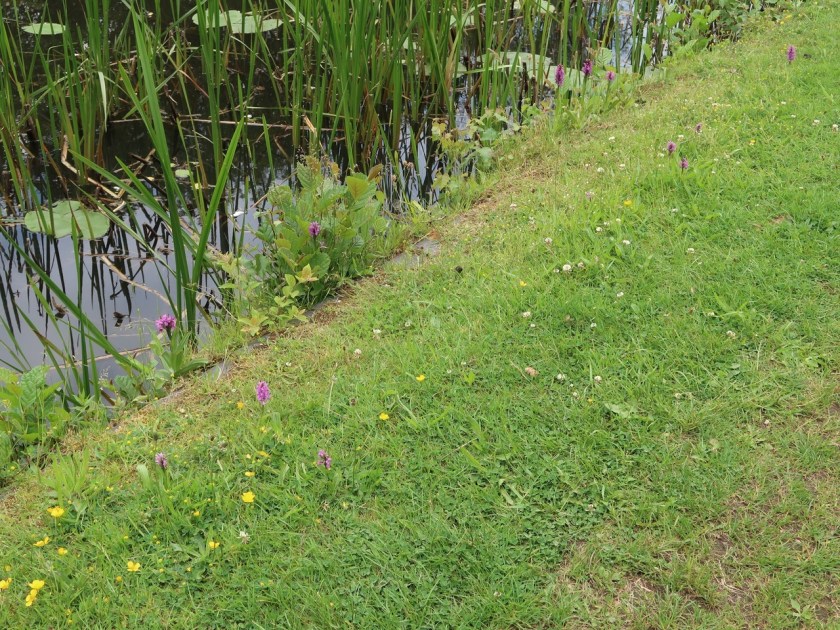
June 21st – It’s good to see that one place the Canal and River Trust mowers didn’t go is the meadow and embankment alongside the new pond at Clayhanger, where orchids, ribwort plantain, birds foot trefoil, ox-eye daisies, buttercups and many species of grasses are thriving, much to the appreciation of the bees, bugs and birds that rely on them.

Long grass and meadows are not some untidiness to be dealt with: They are essential to our ecosystem.

June 6th – There’s a splendid display of orchids this year in the meadows, wetland margins and by the canal – but sadly many have been destroyed – or stunted – by the agressive local towpath mowing schedule by the Canal and River Trust.

Can they not tolerate a bit of uncut grass for a few weeks while these bee-attracting beauties thrive? Perhaps they could use the manpower to fix some of the leaks and failing infrastructure instead…

June 1st – A grey day, largely but very humid. Storms were expected that never arrived, and the air of humid frustration was pervasive throughout the day.

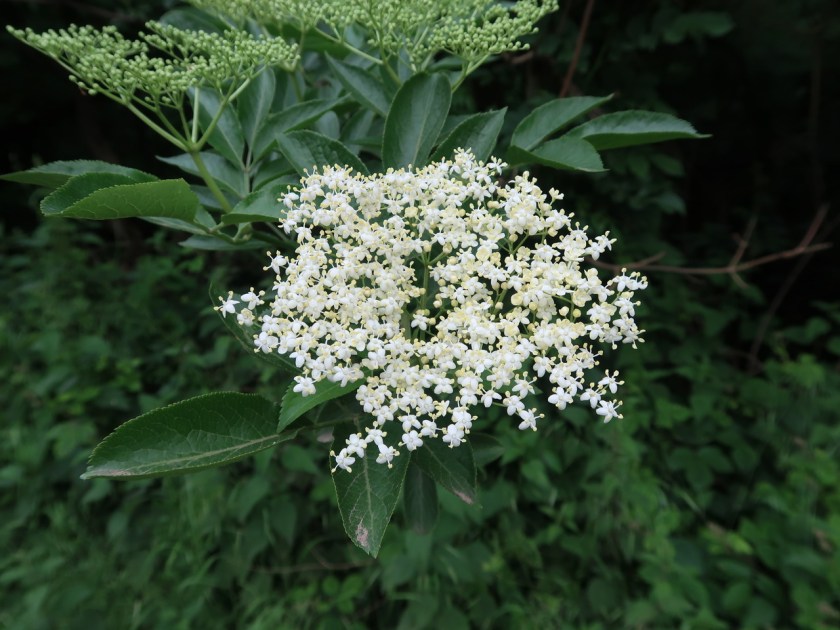
Another blossom is out now, to add to the list – elderflower. So this weekend I shall be out with the sack, collecting some for a relative to make wine and cordial. Not too many though, as we need to remember the black-crimson fruit that will be used to make excellent wine in autumn.

A nice find on an unremarkable, draining day.

May 16th – One thing that was a real surprise on a late return from work was that the lupins on the canal at Clayhanger are in bloom already.

After a really brutal, hard day and a weary, late evening battle home into the wind, finding these beauties next to the towpath was a real spiritual boost.

Sometimes, you just need a little beauty in your life. And something a wonderful shade of purple.

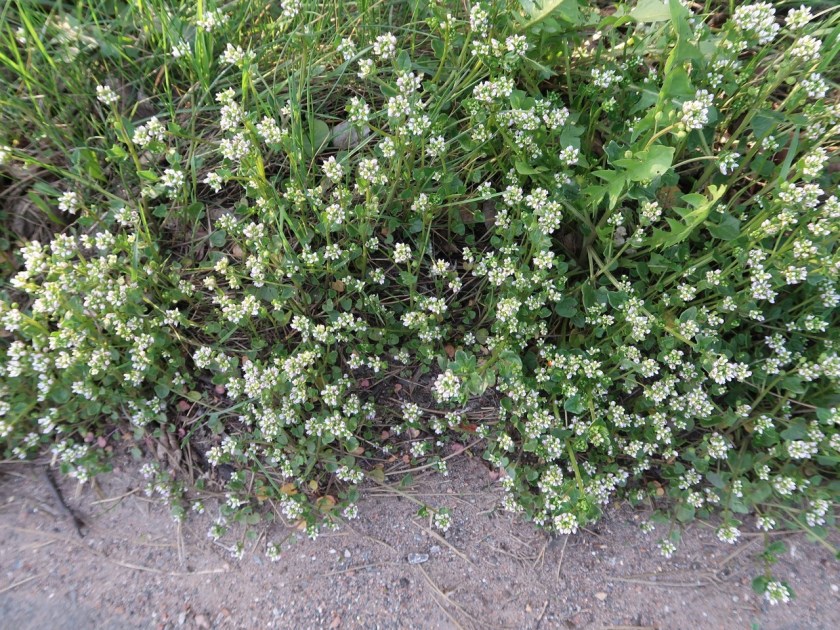
April 19th – I note there’s a good display this year of a curious little flower, that of Danish scurvy grass. A tiny white bloom, this plant loves salty soil and has colonised main road and lane verges in what’s known as the ‘burn zone’ – the area generally devoid of life where road salt spray and backwash makes life inhospitable for other plants.

In this salty environment, Danish scurvy grass thrives and blooms, giving lovely withe fringes to the kerbside.

A remarkable thing.

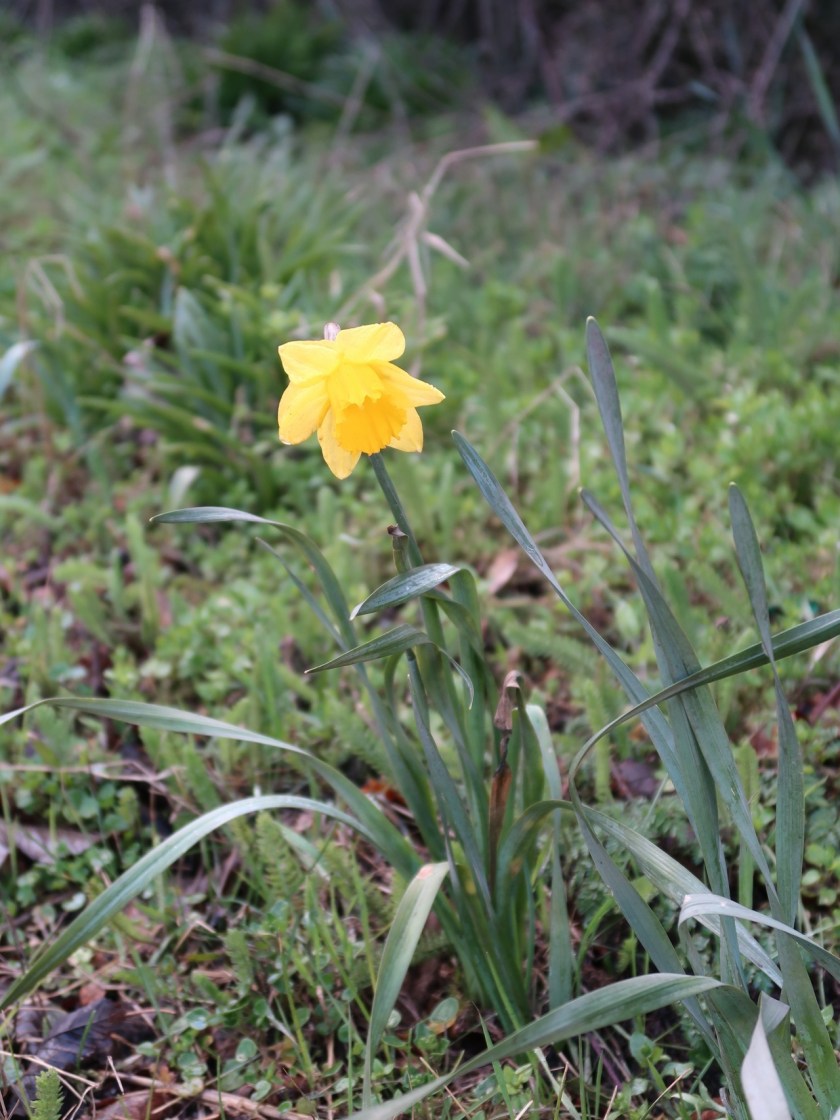
March 28th – Daffodils. We all love them. I don’t think it’s possible to dislike these jolly, bright spring staples; yellow, white and orange, growing in gardens, verges, hedgerows, woodland and wasteland.

I adore them because they symbolise a new year beginning of light, long days, good rides and beautiful nature.

They are stunning in the huge displays they form, but while those are undoubtedly wonderful, I’d like to hear it for the solitary soldiers of spring – the loners, the brave, singular blooms you see dotted about.

Often on verges or poor ground, they may be the tentative start of a new patch in coming years, destined to multiply and impress from a single bulb that got there – who knows how?

They may be the last remnant of a patch decimated by disease (as large daffodil colonies often are) or disturbed by man.

They may not be perfect. They may be tatty, small or distorted. They may be eking out the last scrap of nutrition from a poor clump of soil, or harassed by traffic, animals or the wind, but they’ve done it, the lonely, single flowers. They put on a show for us.

Let’s hear it for the tenacious, bold one-offs!