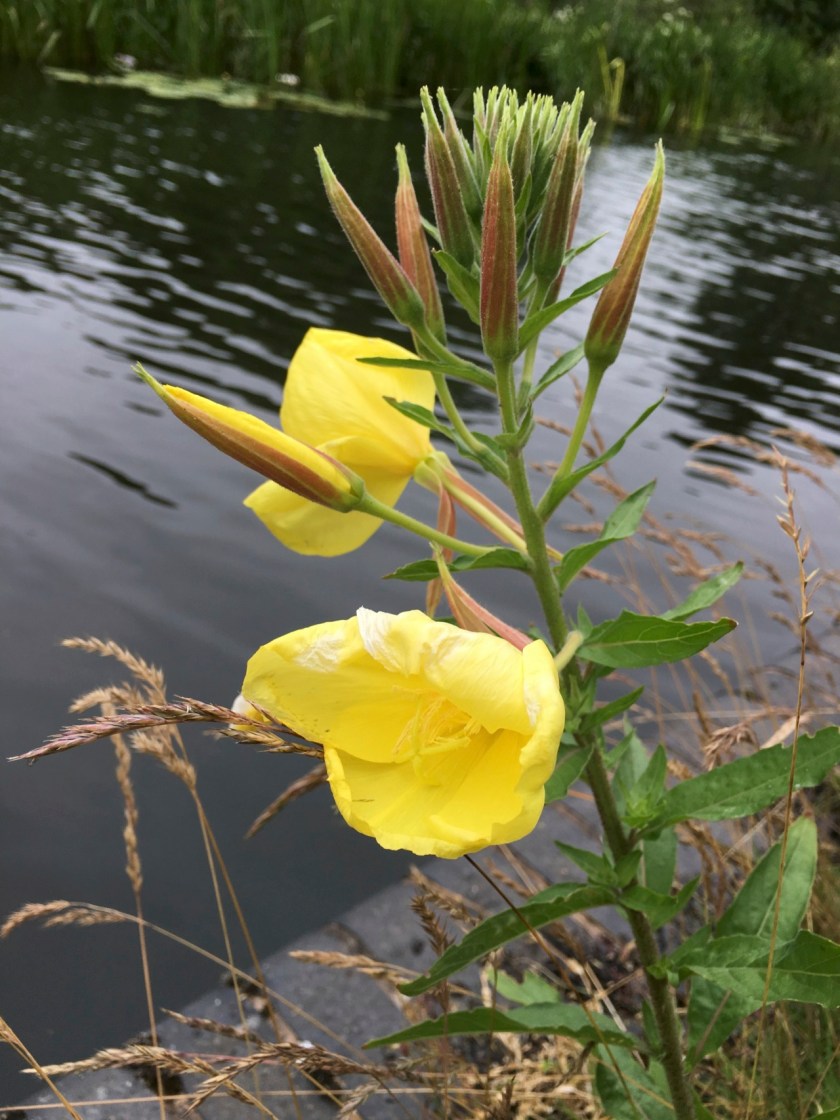
July 7th – Terrible mobile phone photo, but can anyone identify this yellow flower growing by the canal at Clayhanger? it’s a fascinating little thing, seemingly one on it’s own. It reminds me of some king of lily.
Any ideas?
July 7th – Terrible mobile phone photo, but can anyone identify this yellow flower growing by the canal at Clayhanger? it’s a fascinating little thing, seemingly one on it’s own. It reminds me of some king of lily.
Any ideas?
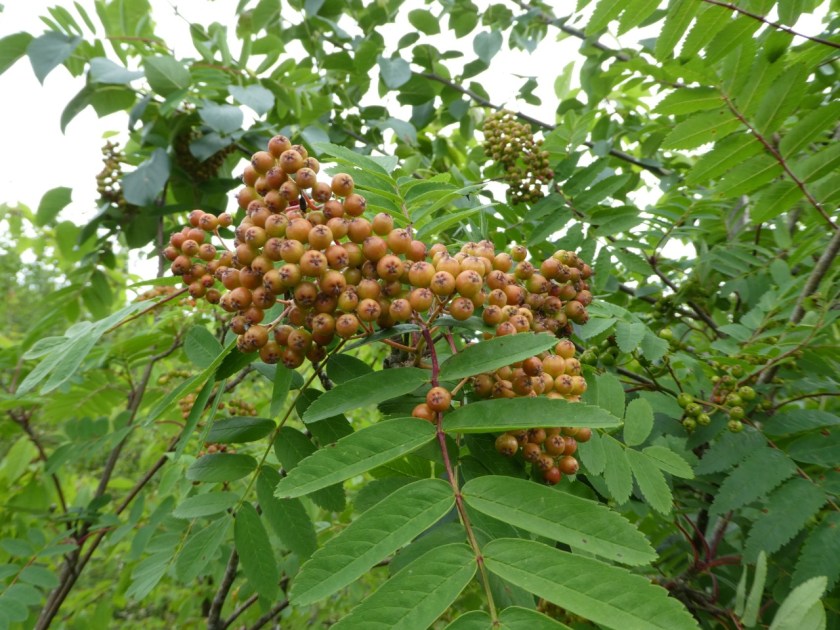
July 7th – Summer’s wheel continues to turn, despite the poor weather, and I was shocked today to note that the rowan berries on the trees by the cycleway in Pelsal were beginning to ripen.
One of the earlier berries of the summer, they add a lovely splash of orange colour to the maturing greenery of high summer.
With days now getting shorter, it really feels like the year is advancing fast now.


July 6th – Also in Sutton Park, this tiny young rabbit would have fitted on the palm of my hand. Tiny, but quite happy to tolerate me at a distance if I didn’t move suddenly or do anything daft.
Bunny positively posed for me, and seemed very young, but it looked healthy and well fed.
I was just getting a bit closer when the spell was broken by a passing dog…

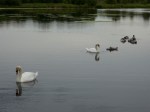
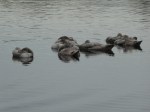

July 6th – I had to pass through Sutton Park in the early evening, and as I cycled by Longmoor Pool, I was pleased to note it had a family of resident swans, with as far as I could tell, seven cygnets. The youngsters were asleep on the water, and only awoke when the parents showed interest in me. That did;t last long when they realised I had no food to offer them.
Something about the light seems to have made this look quite dramatic…

July 5th – One of my wildflower joys at the moment is the humble thistle. Not just for the vivd purple brush that forms the flower, but for the delightfully spiky and prehistoric looking buds this curious plant forms.
They may not be conventionally beautiful, but next time you pass a thistle, look closely. They’re amazing things.


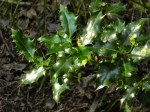
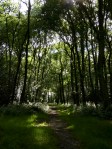
July 5th – Coppice Woods, or to give this small copse it’s proper name, Goblins Pit Wood is what I believe to be the last remnant of the holly and oak woodlands that used to cover our area before the industrial revolution. Quite why it survived, I don’t know, but now part of the Jockey Meadows SSSI, the future of this woodland seems secure.
There’s still plenty of oak and holly, but other deciduous trees make for a variety of habitats for bats, mustelids, rodents, birds and insects.
On this sunny evening ride home, Coppice Woods were a peaceful, sleepy sanctuary from the rush-hour traffic on Green Lane.

July 4th – A first for the year, an oak gall. I don’t know if I’m too early or if it’s just been a bad year for the tiny wasp that creates these galls on oak trees by depositing an egg coated in a chemical which causes leaf or acorn buds to mutate and grow into a gall, inside which a tiny hatched larvae feeds, before drilling it’s way out and flying away.
I normally see a variety from mid summer on – the smooth green type shown here, marble gables which are also globular, but veined with white and pink, and knoppers which mutate gnarly growths from acorns themselves.
It’ll be fun to see if I’m early or if the yield this year is indeed quite poor.
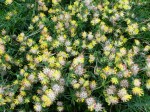

July 4th – Kidney vetch is a local oddity. I only know of it growing in two spots hereabouts – on the bank above the new pond at Clayhanger, and alongside the cycleway running along the old rail line through the Goscote Valley. These two places are entirely consistent with the usual habitat of the plant: cuffs, slopes and sandy soils.
It’s a fascinating flower, little yellow buds seemingly on little fluffy white balls of cotton-like fibre.
A real curiosity that’s worth looking out for.
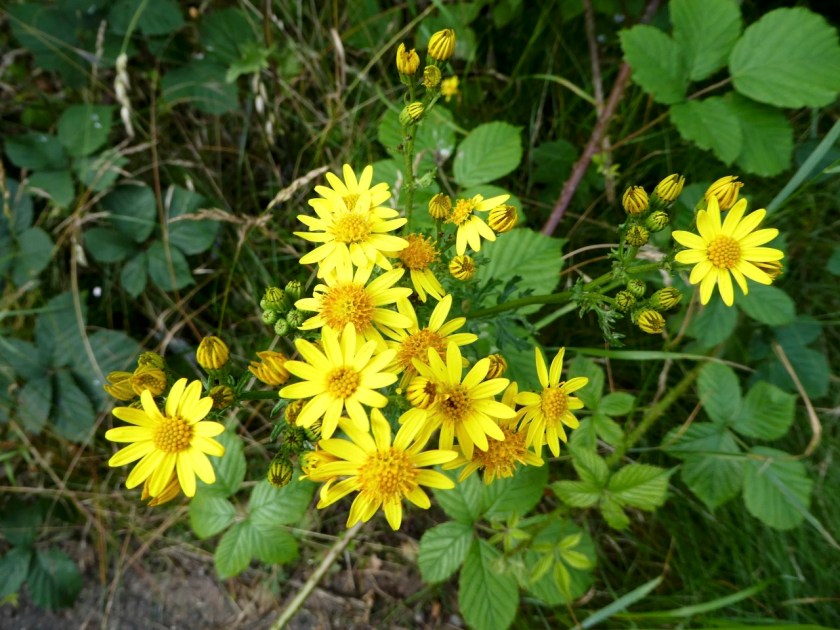
July 3rd – Ragwort, or stinking willie, is currently abundant in scrubs, verges, towpaths and edge lands throughout the area. It’s a lovely yellow plant that really isn’t appreciated as much as it should be. Although quite poisonous to some creatures (including horses) it’s not a serious danger to humans, and is so beautiful sunny and yellow.
It may be a week, but like dandelions, it’s one of the most beautiful plants of the summer.

July 3rd – I passed Grove Hill near Stonnall late afternoon, under a stunning blue sky with light clouds. Currently with barley on the lower slopes and wheat on the upper, it’s a timeless sight that can’t have altered much in a century or more.
The other thing I like about this is it clearly illustrates the purpose of the hedge and lone three; they are there to limit soil erosion. Think about it.
 BrownhillsBob's #365daysofbiking