#365daysofbiking Hard of herring

September 26th – Crossing the Parade in Brownhills near the Fullelove Memorial Shelter, there had been oddly enough, a landing of herring gulls, presumably on their way between local water and one of the several landfills where they feed.

These really are huge birds, and quite aggressive in appearance.

It’s hard not to associate these surprisingly complex birds with the sea – but with abundant food locally and planty of water, this one has probably never seen the sea.

An odd feature of local wildlife.

This journal is moving home. Find out more by clicking here.

from Tumblr https://ift.tt/2phNemT
via IFTTT

#365daysofbiking Toadily over

September 16th – It’s all about autumn now. The change seems to have been very rapid, but in reality it’s been actually quite slow and by almost imperceptible daily degrees.

There are fewer and fewer flowers now, and those that are left are the world-weary late summer soldiers, hanging on for a bit of late pollination – willow herb, dandelions, ragwort, evening primrose, bindweed and like this bedraggled specimen, butter and egg or toadflax.

Beautiful but sad, I bid them farewell for another year and look forward to regaining the colour with the spring. That seems like a lifetime away right now.

This journal is moving home. Find out more by clicking here.

from Tumblr https://ift.tt/2mzepsu
via IFTTT

#365daysofbiking Sick more?

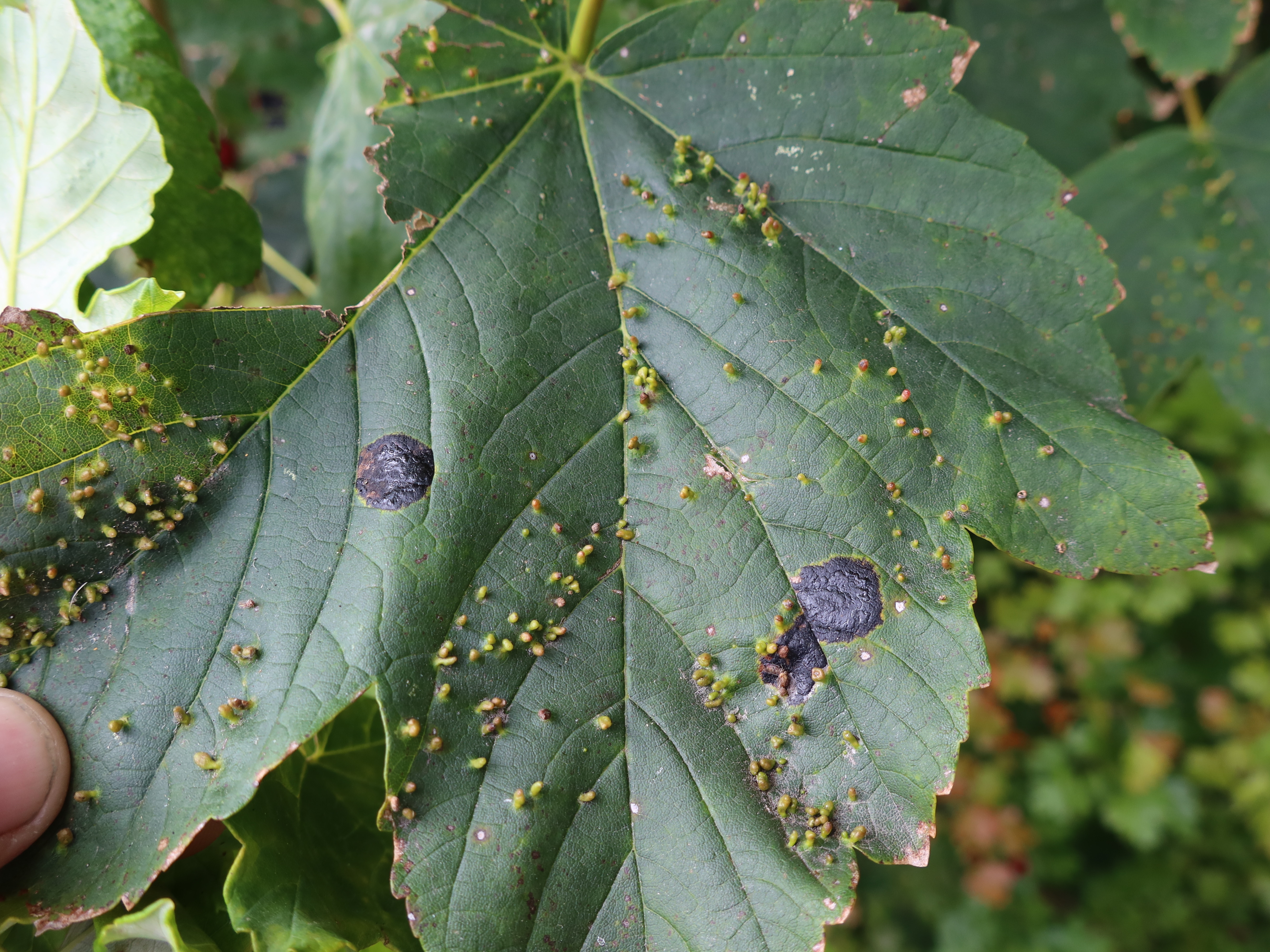
September 5th – Whilst I obsess over galls on oaks and wild roses, other shrubs and trees have their own problems. Here on Clayhanger Common, this sycamore tree is affected by sycamore mites and tar spot fungus.

The curious leaf growths form on the leaf like a gall from the point at which mites feed on the leaf by the same mechanism that other gall insects imply – in the case of these tiny mites, their saliva corrupts the lead cell DNA to grow into a gall.

On the underside of the leaf, a tiny, fur lined aperture into the gall is used by the mite after it has grown to lay its eggs, and the gall is eaten by the hatchling.

This leaf also has tar spot fungus.

Neither harm the host tree to any extent.

This journal is moving home. Find out more by clicking here.

from Tumblr https://ift.tt/2N8lZ97
via IFTTT

#365daysofbiking Oh, balls!


September 3rd – Good to see the fungus starting to kick off for the autumn, I adore the mycology.

These earth balls have appeared on Clayhanger Common, and although not prime specimens, they’re the start of a season of wonders of the fungi world that’ll fascinate me for weeks if not months.

These will grow, then ripen until ready, whence they’ll burst upon contact with some passing animal, spreading their spores for another season – and the cycle will continue.

One great thing about the autumn for sure.

This journal is moving home. Find out more by clicking here.

from Tumblr https://ift.tt/2PXmDII
via IFTTT

#365daysofbiking Sweet thing

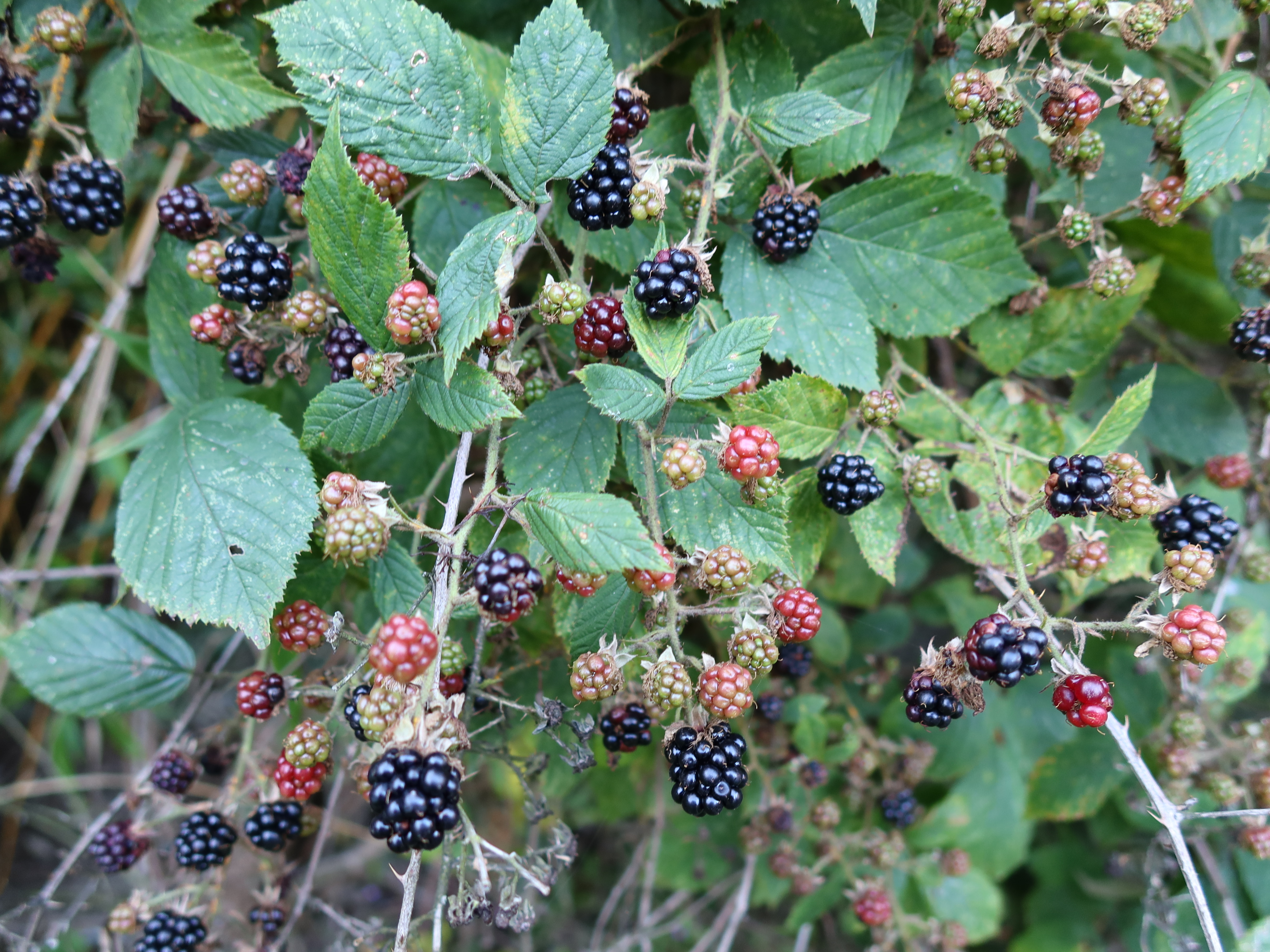
August 23rd – Also showing late are blackberries, but in large numbers to the delight of forages making wine or puddings.

This year the fruit seem particularly sweet and after all these years I still can’t resist plucking the odd one and having a taste.

Always above dog height though, remember…

This journal is moving home. Find out more by clicking here.

from Tumblr https://ift.tt/2PAReMb
via IFTTT

#365daysofbiking Berry wet

August 14th – On Clayhanger Common, the elderberries are ripening slowly. These beautiful, tiny back berries, beloved of winemakers for centuries make a great home brew red wine that’s known for potency and taste.

Elderberries always look beautiful in the rain and are a lovely indicator of a fruitful season ahead.

Although I’d personally not gather these particular ones due to the history of their location, I’ll be out gathering others for a relative when the time comes, continuing a family ritual that’s gone on for decades, if not centuries.

This journal is moving home. Find out more by clicking here.

from Tumblr https://ift.tt/2Z3aRjn
via IFTTT

#365daysofbiking Plum crazy

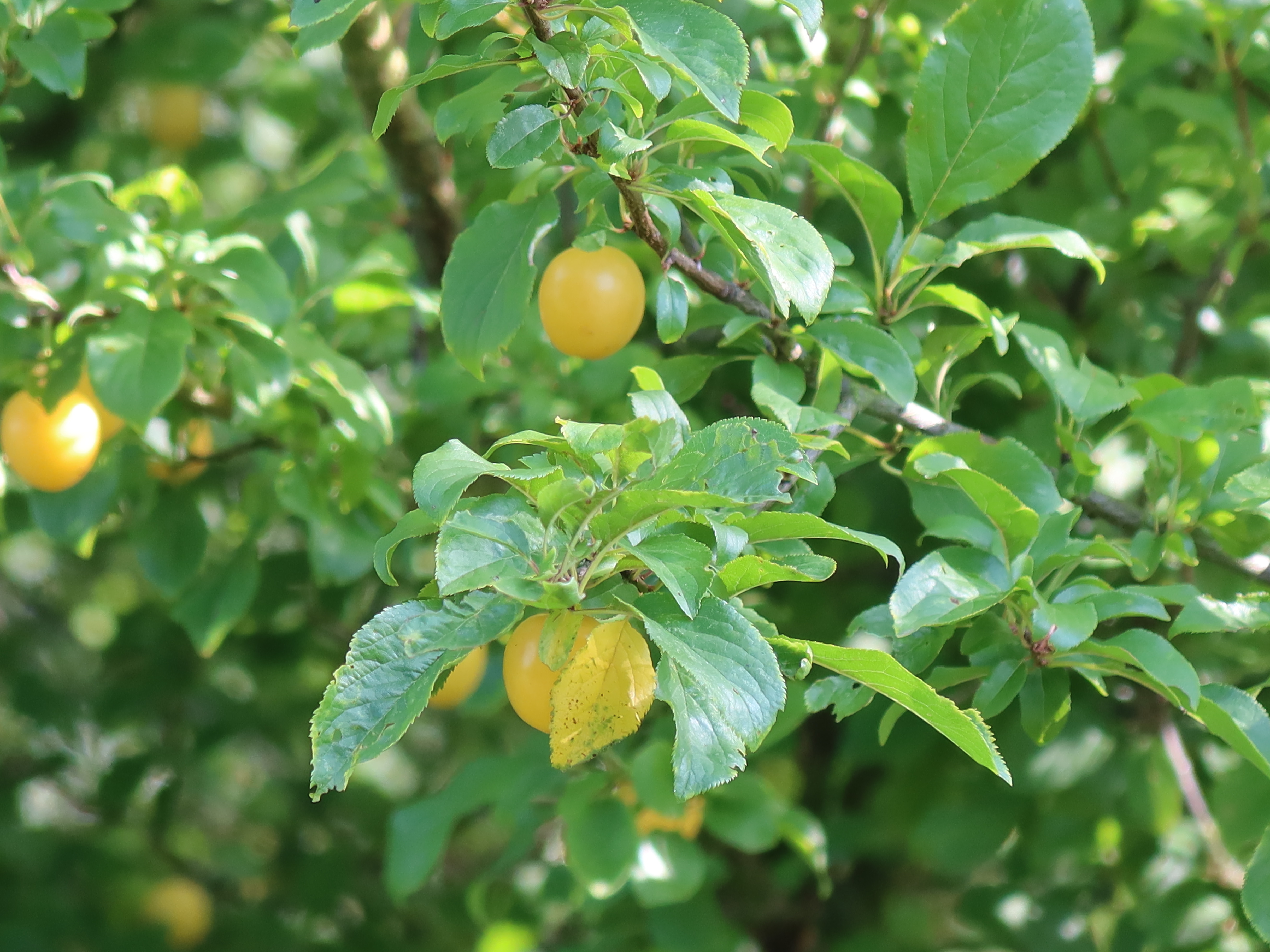
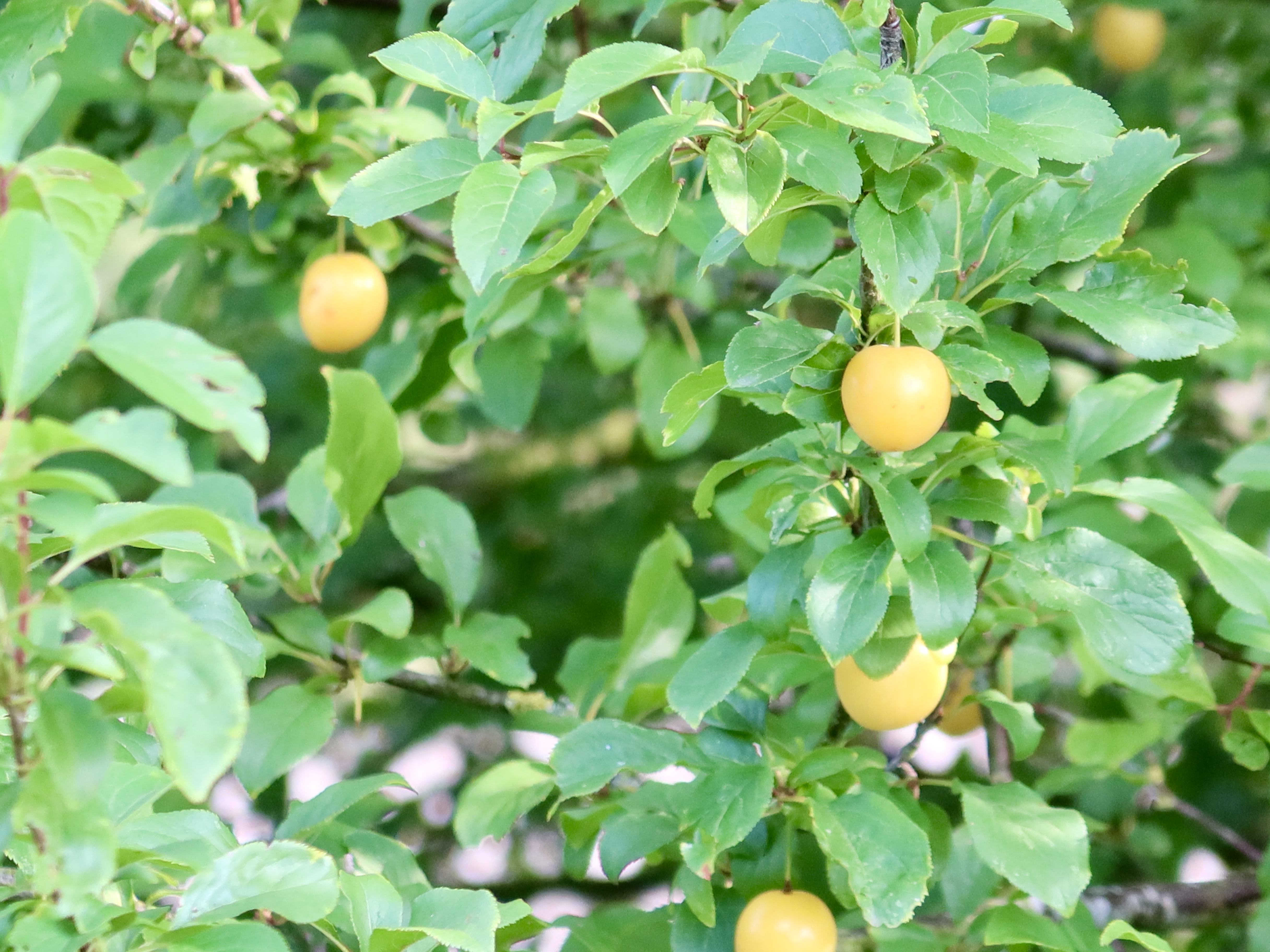
August 7th – Spotted in CLayhanger on the way to work, bull aces or wild plums. Slightly larger than cherries, a beautiful, edible old English fruit the slides in and out of fashion as new generations discover it.

Often sent and tasty, these seem to have had a good year., and will soon be ripe.

I’d probably think twice about eating these, though, given the reclaimed nature of the land they grow on…

This journal is moving home. Find out more by clicking here.

from Tumblr https://ift.tt/2MZ9YC4
via IFTTT

#365daysofbiking Feet first

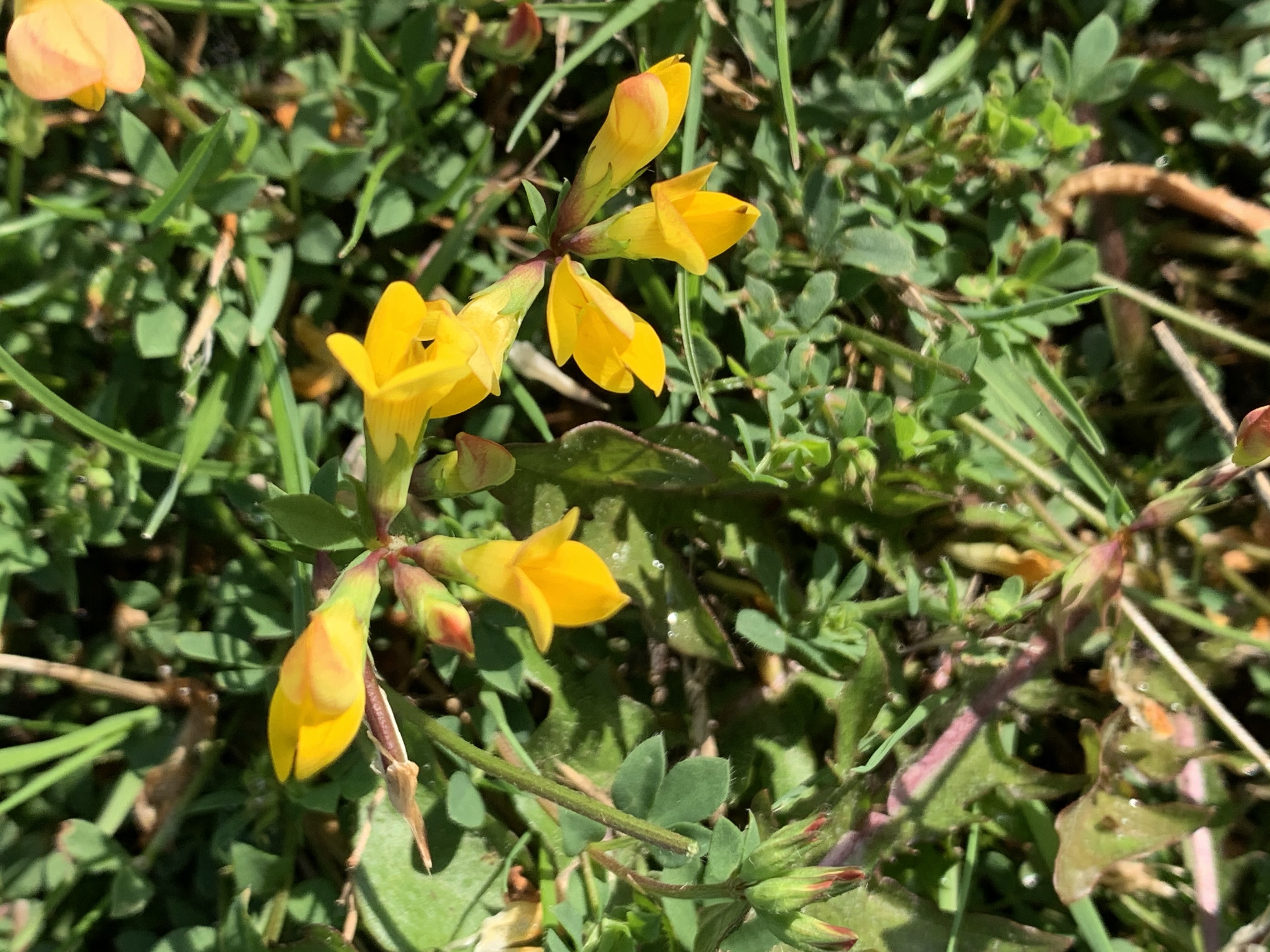
August 5th – Birdsfoot Trefoil is a staple throughout summer from the earliest of the season until autumn. It dapples lawns, verges and meadows with yellow and red patches, and is one of my favourite flowers.

Not many folk though realise how this plant got it\’s unusual name – it’s because the seed pods look like a bird’s feet.

This gorgeous flower is so very ubiquitous that it’s one of the few wildflowers I love that I’ve never bothered to collect the seed of and spread.

This journal is moving home. Find out more by clicking here.

from Tumblr https://ift.tt/2ZZ77MS
via IFTTT

#365daysofbiking Budgie bliss

August 1st – Groundsel is a common but interesting weed. It spreads and is host to a number of diseases and lungi that affect other plants, like rust fungi and black root rot, but is also supportive of small songbirds and a host of Lepidoptera.

Groundsel is thought to be mildly toxic to humans.

it’s been known for years that cage birds like canaries and budgerigars love groundsel (and chickweed) and as a child I was often sent to pluck some from the hedgerows for grandad’s budgie, which would devour any proffered without hesitation.

It’s a very hardy widespread weed, and is so common and unassuming, I think it largely exists unnoticed. However, if you actually stop to study it, it’s rather pretty.

Weeds are always worth a look – they can be surprisingly beautiful.

This journal is moving home. Find out more by clicking here.

from Tumblr https://ift.tt/2MXeYXz
via IFTTT

#365daysofbiking Fruitful endeavours

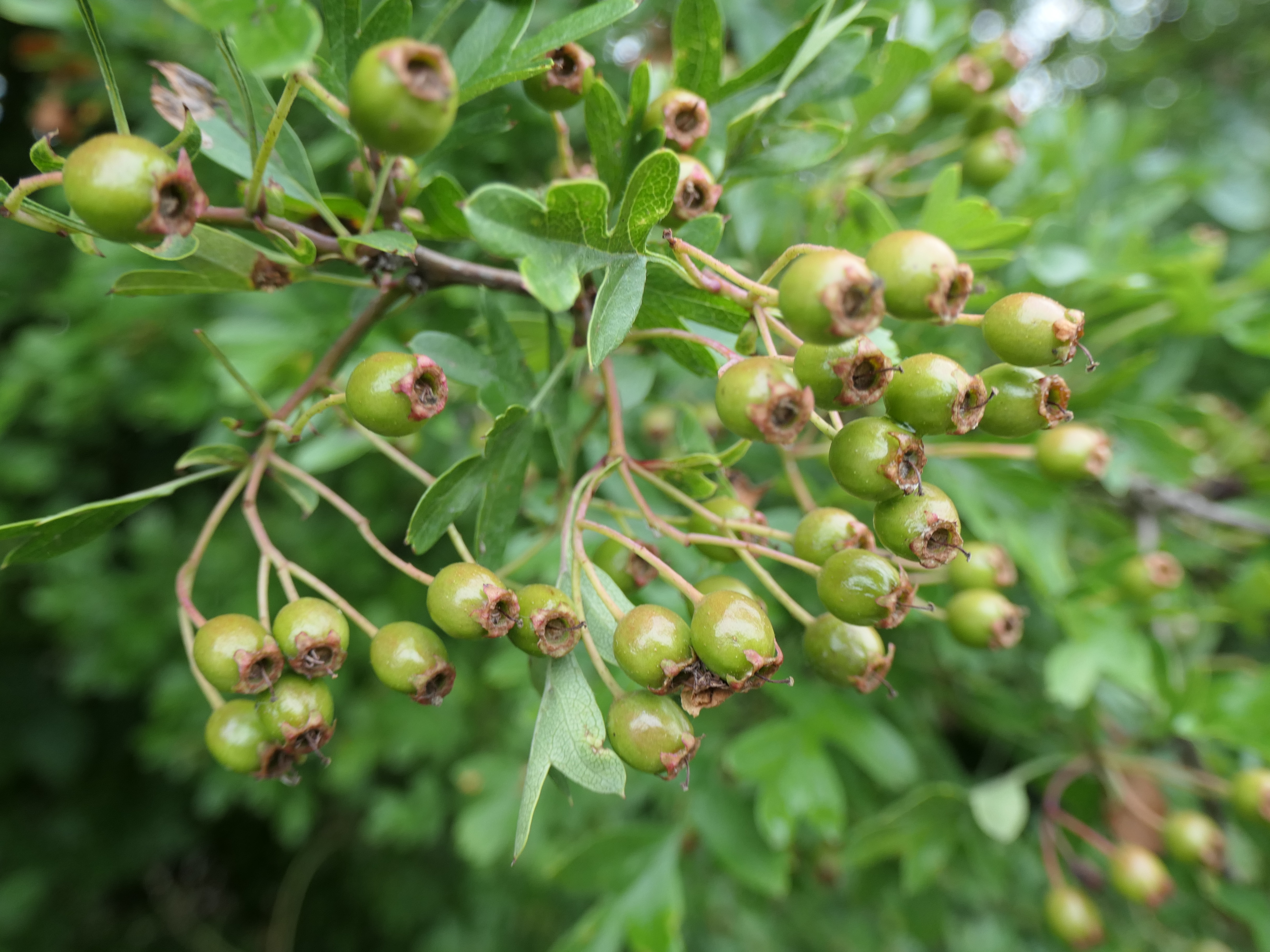
July 16th – We tend to think of summer as the flowering season, but really that’s only half true. Flowering is mainly spring and early summer, and from high summer on, it’s the time for fruiting.

Starting with cherries and rowan berries, fruits, nuts, haws, hips and seeds are now developing well. The green hawthorn berries are plentiful this year after a thin year last time; and blackberries look like they’ll be in good supply too.

Although this time of plenty should really be celebrated, it always makes me just a bit wistful for a summer passing.

But of course, the fruit will bring colour of it’s own to brighten my hedgerows and waysides for weeks to come.

This journal is moving home. Find out more by clicking here.

from Tumblr https://ift.tt/2JJGOnc
via IFTTT