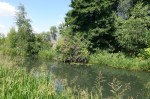
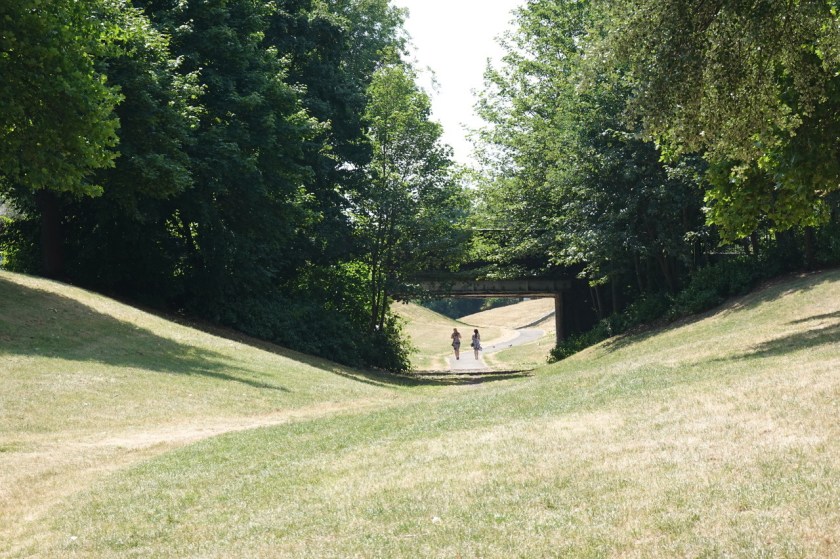
August 6th – Heading along the Walsall Canal towards Darlaston Green and Bentley Bridge on a sunny Monday morning. Not a soul around, intense blue skies and just the sounds of waterfowl, birds and nearby industry.

I couldn’t be anywhere finer, to be perfectly honest. I love this place with all of my heart.

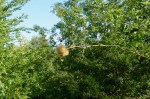
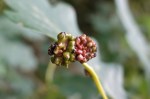
July 30th – Nipping out of work in the earl m morning on a cafe run, passing a familiar patch of waste ground, I finally found something I’ve been looking for for a few weeks without luck; a robin’s pincushion gall.

This hairy mass on dog and wild roses is, like the knopper and marble galls on oaks, an insect gall; a tiny wasp lays eggs by injecting them into a leaf-bud surrounded by DNA corrupting chemicals that cause this odd growth to form rather than a leaf.

Beneath the bristles, there’s a solid ball of plant matter with cavities within which the larva grow and develop in safety; when ready, like other galls, they eat their way to freedom and adulthood.

The gall doesn’t harm the plant at all. It’s a remarkable thing.

July 25th – These oak knopper galls actually took me by surprise a couple of days ago, but the photos I took weren’t great, so I revisited the saplings they’re growing on today.

I spotted them on a tree near Victoria Park in Darlaston and I don’t think there’s a single normally formed acorn on that tree at all, and yet several adjacent ones have no knoppers at all.

These mutations of normal acorns are of course caused by a tiny wasp that lays eggs in the acorn buds earlier in the year. A secretion the eggs are coated in causes the acorn bud to mutate and grow in a distorted form, forming a gall, with the wasp egg at the centre. 

The larva hatches, and eats it’s way out of the gall, which provides it enough nourishment to grow to maturity.

Insect galls like this don’t hurt the tree, but of course, do affect it’s fecundity.

Isn’t nature amazing?

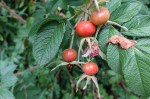
July 24th – Also coming on to show well right now are the rosehips – the fruit of the rose flower, either the dog rose, or the feral scopes that dot the hedgerows, canal towpaths and footpaths of the area.

I love the variety of textures, colours and shapes.

They bring a second splash of welcome colour when the rose flowers  themselves have decayed for another year…

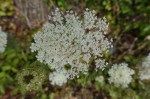
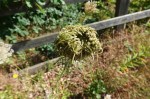
July 23rd – I ought to know what this plant is. But I don’t, and the guide books haven’t been helpful. It looks a bit like cow parsley, but isn’t: smaller, flatter flower heads and that curious ball formation which I can’t tell is a flowerhead opening or going to seed.

Anyone know? Loads of it in Darlaston at the moment.

July 18th – Gradually in the last week, the days have been becoming just a little cooler, and just a little bit more overcast.

I’m not sure if this is a trend, or just a dip inn an otherwise wonderful summer. 

Despite the greyness, the canal at Bentley Bridge still looked superb. I love the summer.

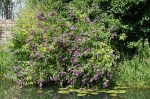
July 12th – One indicator of an advancing summer I always have mixed feelings about is buddleia. This purple-flowering, profuse shrub, sometimes known as the butterfly bush is great for bugs and bees and lepidoptera of all kinds – but the one issue I have is it’s the shrub of urban decay.

This versatile plant will grow anywhere it can find – gutters, chimneys, soot-filled fissures in brickwork, and once it takes hold it will destroy masonry as it grows. It’s the sign of dereliction in summer, growing old disused rail lines, factory yards and edgelands of all types.

A fascinating, but destructive plant.

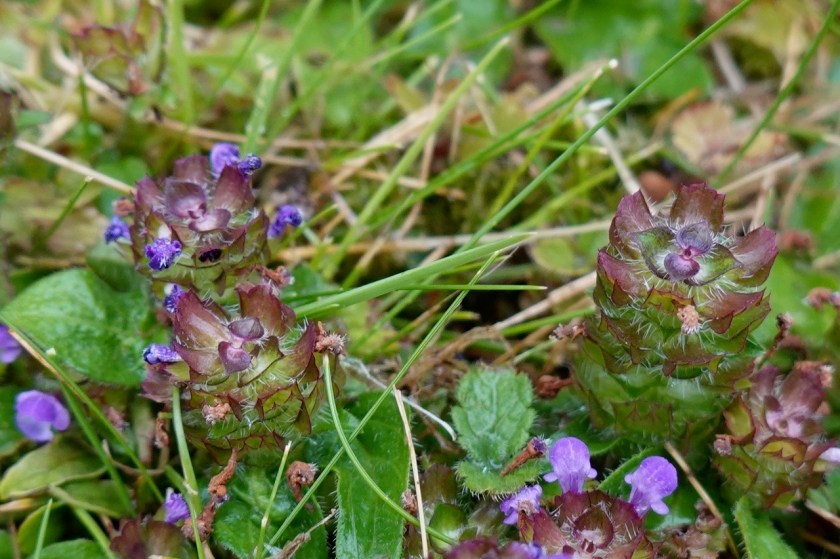
July 12th – I was pleased to note that one little purple flower has returned this year to the verge outside the place where I work – Self Heal. It grows low in grass and often misses the mowers. It has a very unusual flower head configuration featuring absolutely tiny but gorgeous violet blooms.

The plant, given it’s name as you might expect, is known for it’s medicinal properties, and brings a splash of colour to lawns and verges throughout middle to late summer.

July 11th – I haven’t seen much of Old Sam, the King of kings Hill lately. He had taken to sleeping on the grass in in the gardens around the old folks flats where he lives, but the gardeners came one day with their mowers and blowers and I only saw him a couple of times after that.

I needn’t have worried. He’s found a shadier spot, just out of my normal sight for the really hot days.

I notice someone had given him a bowl of water, and he was concentrating on washing, and despite my calls and invitations for strokes he studiously ignored me and got on with the important business of fur maintenance.

I adore this crotchety old lad.