August 8th – A long, long day. Out as dusk fell, I cycled around Brownhills, fighting low energy reserves and an aching back. Looking for a decent sunset, I cycled over the rite by Catshill Junction, to look over Clayhanger Common. Alone, apart from the odd dog walker, I reflected on this place; 35 years ago the spot I was stood in was a 20 feet deep ditch, and before me would have been piles of (often burning) festering refuse. This beautiful, treed-lined landscape – replete with rabbits, deer and all manner of birds – is testament to how landscape can be reclaimed, restored and rehabilitated if there exists the vision, will and determination.

August 2nd – The destructive power of storm water left it’s mark on Main Street, Stonnall. When we had the heavy rains, this storm drain blew it’s lid and ruptured the tarmac of the road. It’s been re-rolled flat now, but some remarkable damage was done in the downpours of the previous Saturday. Ultimately, I suspect, these drains will have to have their access chambers rebuilt due to the water damage.

It must have been a sight to see when it happened.

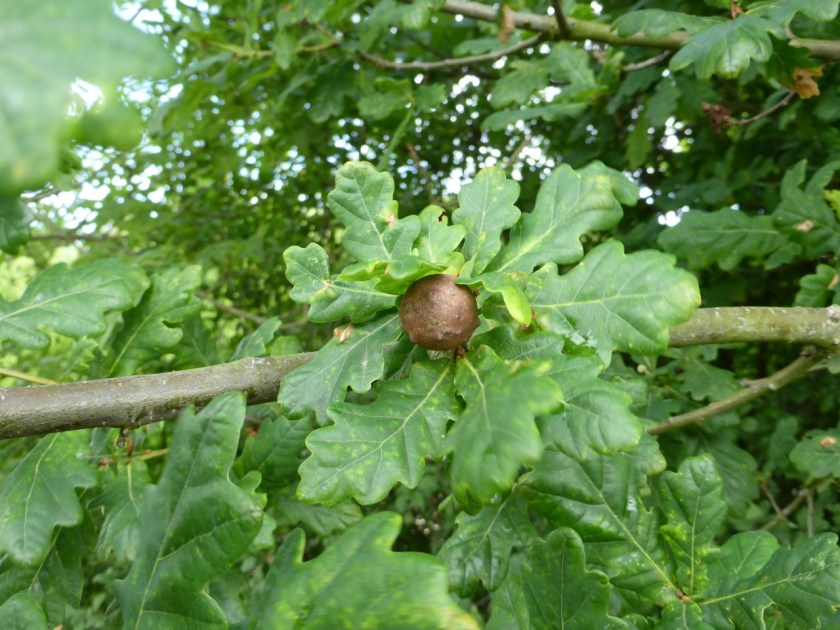
July 29th – Oak Apples, or galls, are an interesting thing. Very visible right now, they are the gall of a type of wasp that lays it’s egg inside new oak leaf buds. A chemical reaction caused by a secreted fluid causes the gall to grow, and inside, the wasp larva feeds on it, eventually burrowing it’s way to the surface and flying away.

Isn’t nature amazing?

July 28th – Cycling after flash rains at the end of a dry spell is dangerous. The torrent washes down sand, stones and detritus that lurk in bends, hollows and adverse cambers waiting to steal your wheels from under you. The stones are the worst – they’re like cycling on black ice.

This patch lies at the junction of Cranebrook Lane and Boat Lane near Hilton, north of Stonnall.

Take care, take it steady, and Look out. 

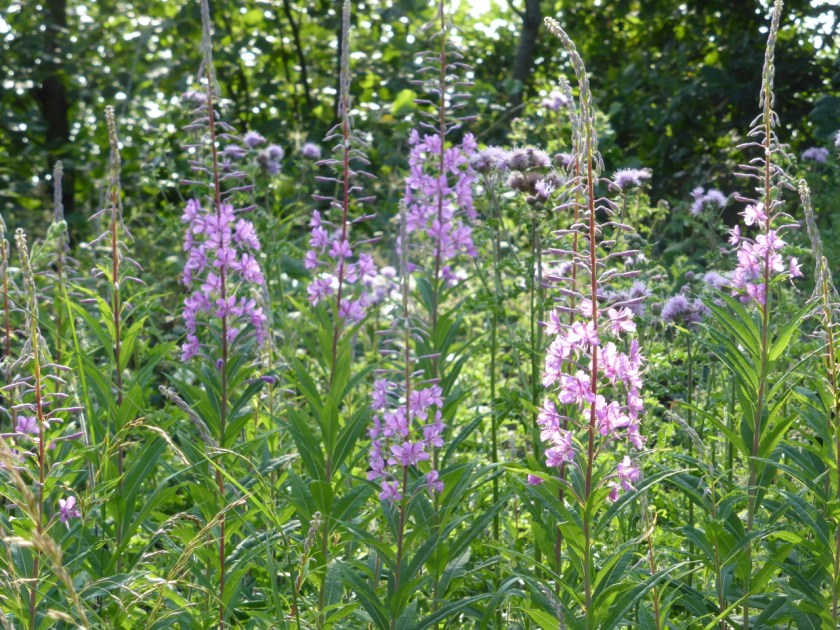
July 16th – Another steady click in the escapement of summer, the willow herb is in flower. This tall plant with soft purple flowers is the king of the margins, the scrub and wastelands. It grows in any neglected spot, requires little from the ground, and spreads via familiar late-summer wind borne seeds often called ‘fairies’ by kids. The seeds are fluffily and white, and give rise to the colloquial name ‘Old man’s beard’. 

This part of summer is all about the transition from the yellows of spring to the blues, pinks and purples of high and late summer; nightshade, foxglove, lupins, buddleia, vetch, Himalayan balsam.

Right now, every day is a delight of new flowering.

July 12th – Crossing Shire Oak with a saddlebag full of food, I was caught by the lights. The junction is quite, quite horrid, and desperately needs resurfacing. Later on that evening, there would be a serious road accident here, blocking the junction for several hours.

It really was about time something was done to improve this junction or all users.

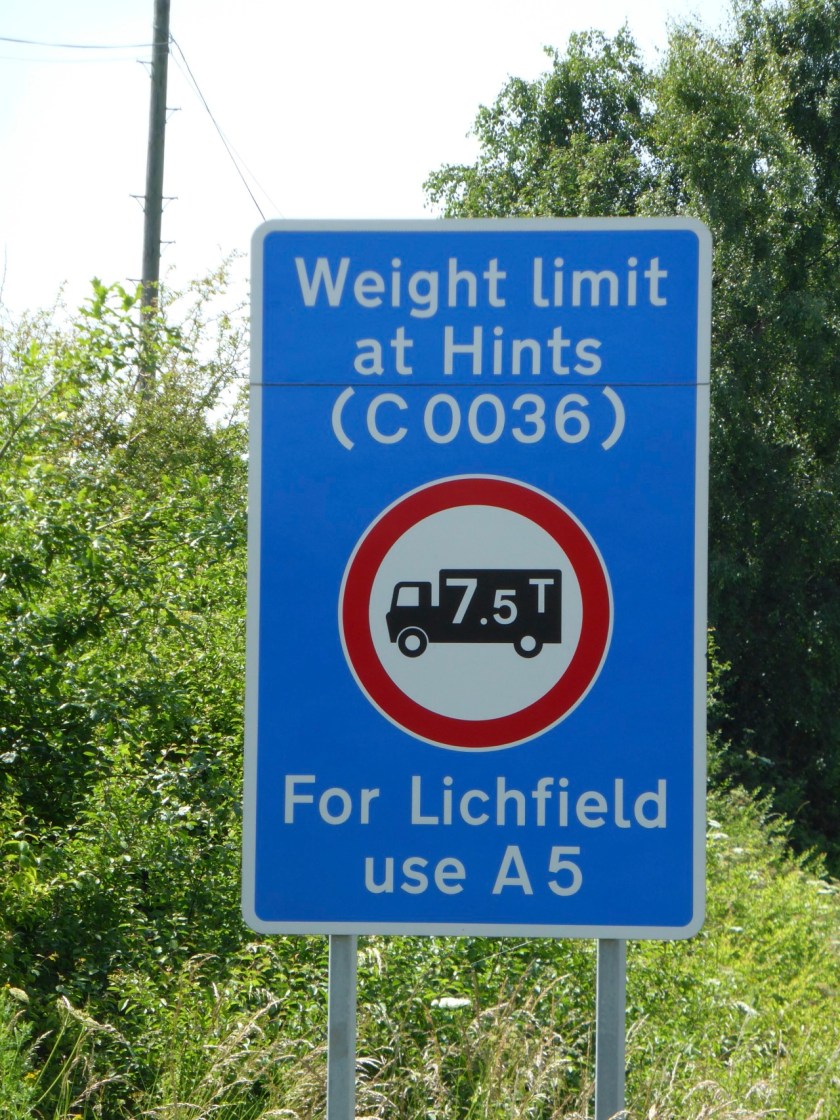
July 7th – Oh my goodness, this is geeky. But it appeals to my sense of the absurd. This road sign on the ‘old’ A5 near Mile Oak isn’t unique, but it’s certainly rather unusual. What makes it so is not the restriction and advice it gives, but the accidental inclusion of the road number C0036. Just about every road in the UK has a number to the Ministry of Transport (or whatever it’s called these days) and to the local authority, but in theory, only the familiar A and B class roads are allowed to be marked on signage.

There are, actually, five classes of road – A through D, in order of major to minor, and U, meaning unclassified, even though they actually are. Maps for public consumption only use A&B, and the remaining numbers are intended for administrative use only, but occasionally, in cases such as this, due to CAD or administrative errors, a C or D number will creep on to a sign.

This one has been in place since the bypass was built, a good few years ago now, and always raises a wry smile.