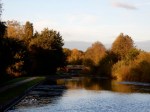
October 7th – After the last couple of days of wet, grey commutes, one in a decent light was welcome. The light – particularly in the evening – is precious to me right now, as I know it will soon be gone and replaced by evening darkness.

As I shot down the canal near Clayhanger, the golden hour was particularly lovely. There was a cold edge to the wind, and the leaves are now falling well. This time now is on the edge, the cusp. Soon, it will be winter.

Not looking forward to it this year, if I’m honest.
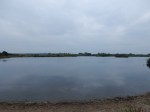
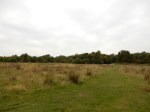
October 3rd – A short recovery ride over to Clayhanger Marsh and Ryders Mere to keep the legs going and get some fresh air. The afternoon was very grey, and it’s on days like this I often used to see the gnarled old dog fox who hunted here. I think he must have passed away by now, but I thought of him as I surveyed the grey, still waters.

Me and that fox knew each other – we were familiars. As far as I was concerned, he was just another resident of the area, using the facilities available. To him, I was tolerable company as long as I kept silent, made no sudden movements and minded my own business.

Ah well, I daresay one or two of his extended family were watching me from the thickets nearby as I remembered him.

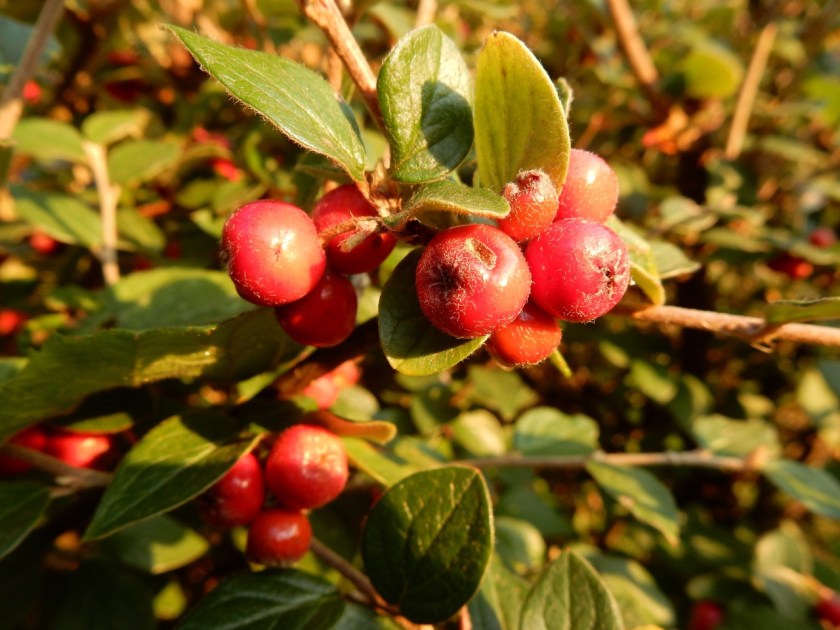
October 1st – Nice to see the cotoneaster going bright orange-red now. This pea-sized berry is unpalatable to humans, but songbirds, particularly blackbirds, love the sugary berries, and having found a bush, the blackbird male will fight off any challengers who would raid his winter larder.

A lovely splash of colour in autumn’s otherwise yellowy palette.

September 29th – But still, there’s colour. There aren’t many places along the canal from Walsall Wood to Brownhills to catch a good sunset; sadly the best spots are obscured by hedges and trees. But as I passed the new pond at Clayhanger, the sun had smeared it’s last rays of the day over the clouds and vapour trails and made the evening precious.

September 28th – Quite a find for me, and only the second time I’ve ever seen it in the wild: orange peel fungus, seemingly growing well on Clayhanger Common, near where I saw the glistening ink caps last week. 

This ascomycete is not particularly rare, and mycologists may scoff at my enthusiasm for it, but this delicate ad small fungi is hard to spot. I’m pleased I found it.

September 23rd – And there are other autumnal riches, too. These glistening ink caps are growing on a recently cleared area of towpath on the canal at Clayhanger. 

I love how the damage to the cap reveals the gill structure of the fungus. Another couple of days and these will have decayed to black slime.

Fungi are fascinating.

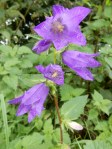
September 17th – I can’t decide if this single, gorgeous violet blue plant is a harebell or bellflower. Whatever it is, it’s been delighting me every time I pass by it for over a week now, just on the canal by the Clayhanger Bridge.

Any opinions, folks? It really is a most beautiful bloom, and so unexpected at this time of year.

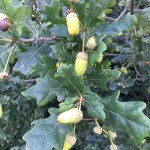
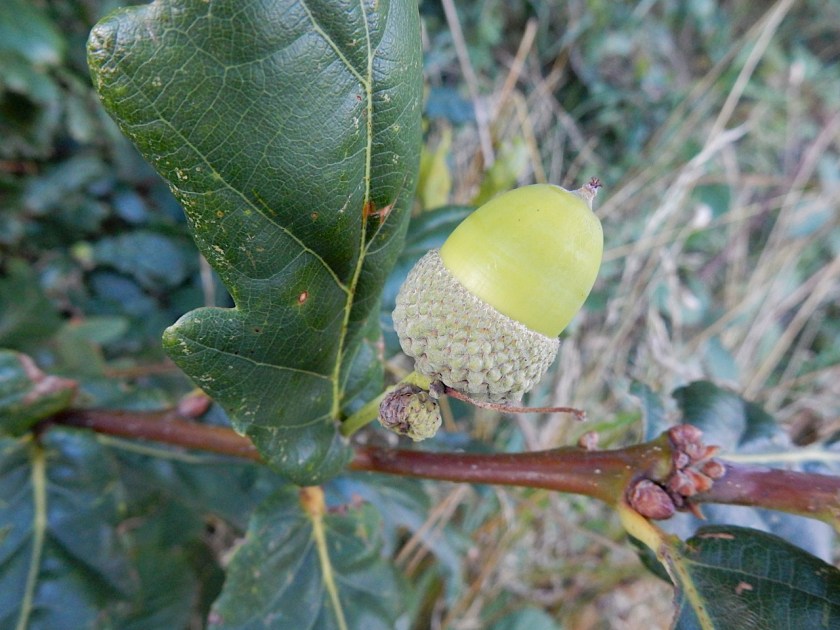
September 4th – And then, there are the oaks I was concerned were lost. All the galls and nasties seem to have appeared long before the acorn crop I thought would not appear – there is now a stunning crop of tiny acorns growing well all along the canal at Clayhanger.

It’s good to see, and when they start to fall, I’ll gather them and spread the acorn love.

Never lose faith.

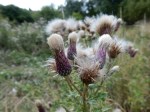
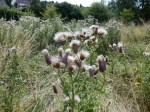
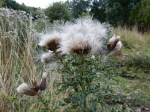
August 28th – On an early afternoon run home from work, a beautiful patch of thistles gone to seed on Clayhanger Common. Like fellow fluff-mongers Rosebay Willowherb, they fill the air with small, wind-borne seeds often called ‘fairies’ by generations of local kids.

Also good food for small bits who will dine on these to their hearts content.

August 26th – I think I was a bit previous on the acorn thing.

I think acorns affected by galls fruit sooner. Perhaps there’s a naturally selective advantage in this. It’s fascinating me.

In the last couple of weeks, a huge crop of acorns has developed, even on the blighted trees. They came later than the acorn galls, and are plump and where unaffected, a great looking crop.

I’d say now less than 5% are galls.

Is there a guide or information anywhere about this? It’s fascinating me.