#365daysofbiking From little acorns

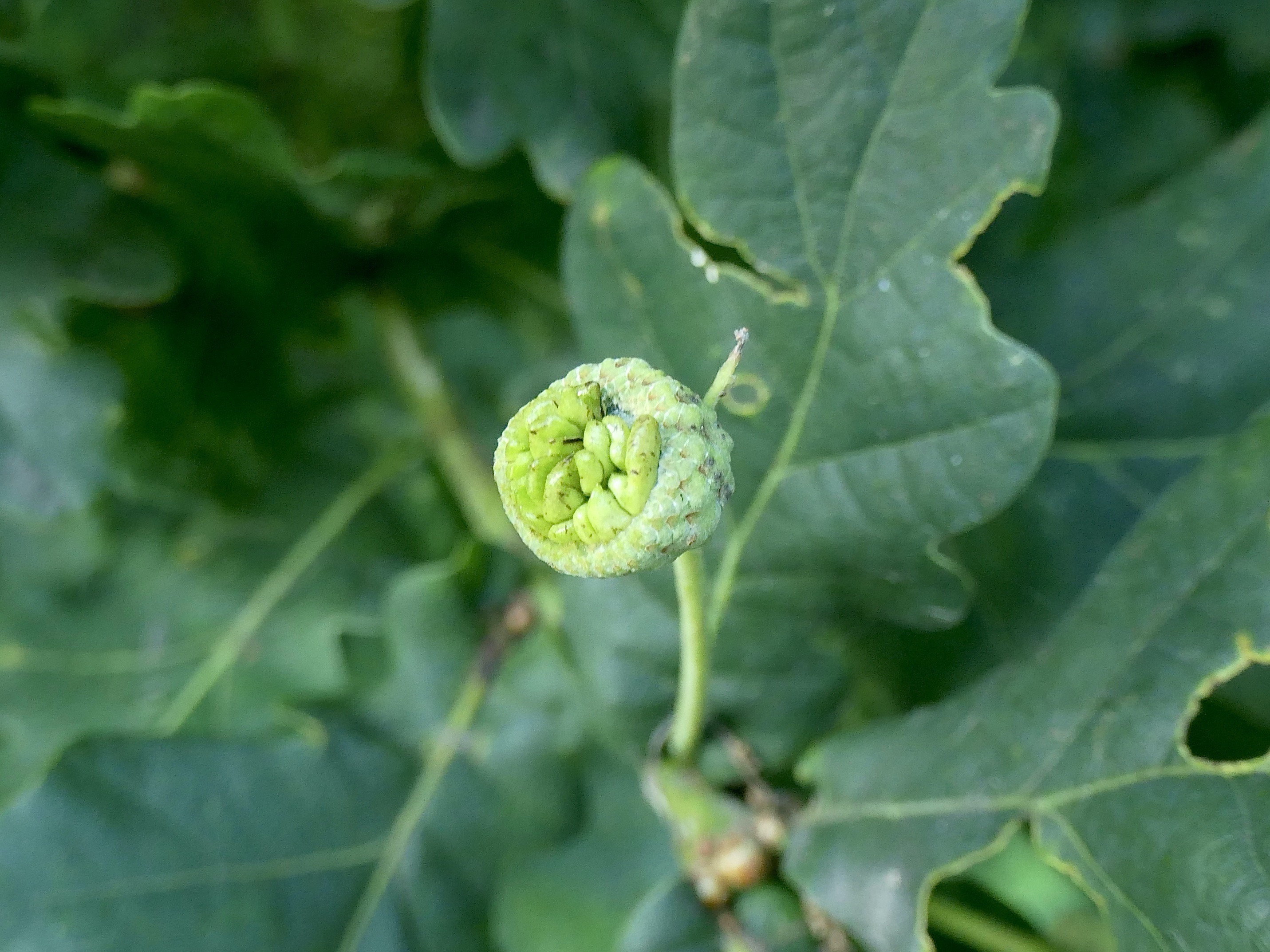
July 15th – More galls: I mentioned knopper galls recently and pointed out these wasp galls deform acorn buds to form a home for the wasp larva within. I found an illustration of this in Victoria Park Darlaston.

This is a knapper gall starting to form. The acorn cap is normal, but where the smooth, rounded nascent acorn should be, there is a knobbly, textured growth which will expand to form the gall.

The DNA of the acorn has literally been corrupted or reformed to grow a home for the wasp egg within by a chemical the egg was coated with.

How does such a mechanism evolve? It’s truly wonderful.

This journal is moving home. Find out more by clicking here.

from Tumblr https://ift.tt/2kbCAM7
via IFTTT

#365daysofbiking Where there’s a will

July 6th – Spotted proudly sprouting from beneath the derelict coal chute at Anglesey Wharf, a bramble appears in rube health after somehow growing through the paper-tin gap between a bolt head and the base of the old chute.

It just went to show, considering my low mood, that nature – and goodness – always finds a way.

This journal is moving home. Find out more by clicking here.

from Tumblr https://ift.tt/2YSKEAz
via IFTTT

#365daysofbiking Held to ramson

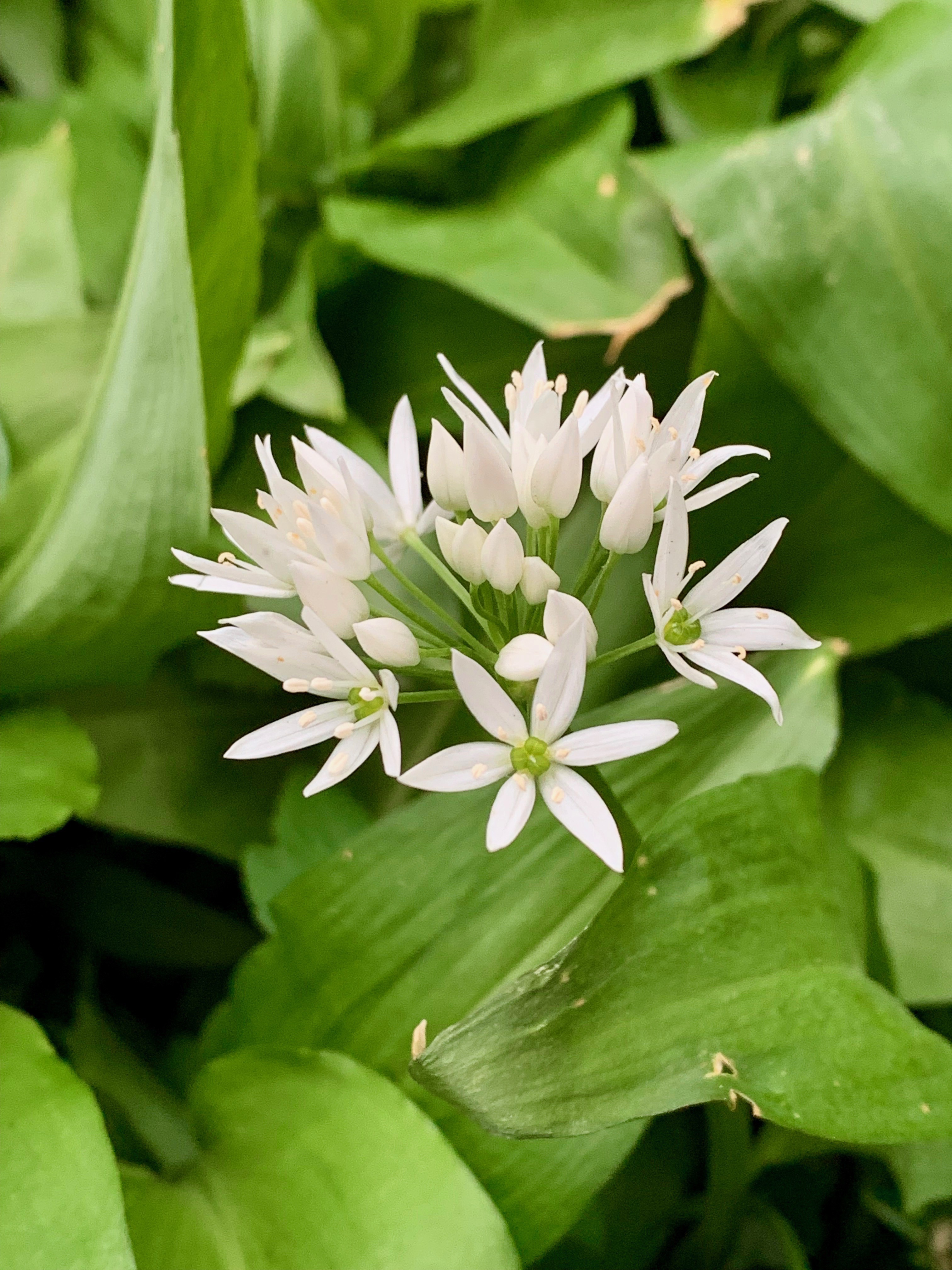
April 28th – At Pipe Hill, between Wall and Burntwood it’s nice to see the wild garlic inn bloom again.

I really love this beautiful, edible plant – sometimes known as ramsons it tastes and can be used just like a little more subtle normal garlic, and it’s scent hangs heavy around woodland, hedgerows and damp ground far and wide.

One of the most popular posts on this journal featured the glade of wild garlic that grows by the River Arrow in Redditch with over 18,000 reactions since it was posted in 2011.

It seems I’m not the only one who likes wild garlic!

This journal is moving home. Please find out more by clicking here.

from Tumblr http://bit.ly/2WaUlZO
via IFTTT

#365daysofbiking A case of scurvy

April 11th – One of the odder ecological phenomena of urban Britain is the proliferation of Danish scurvy grass. This salt loving plant is what gives verges and roadsides the white fringe right now, with this hardly, pollution resistant little plant flowering.

Danish Scurvy Grass likes salt, and thrives in the ‘burn zone’ beside roads that are gritted in winter, where the roadways splashes brine onto the verge. One of the few plants not top be hindered by these hostile conditions, its white flowers can be seen by many urban roads this time of year.

There really is a place for everything it seems.

This journal is moving home. Please find out more by clicking here.

from Tumblr http://bit.ly/2UupJ8Z
via IFTTT

#365daysofbiking No danger

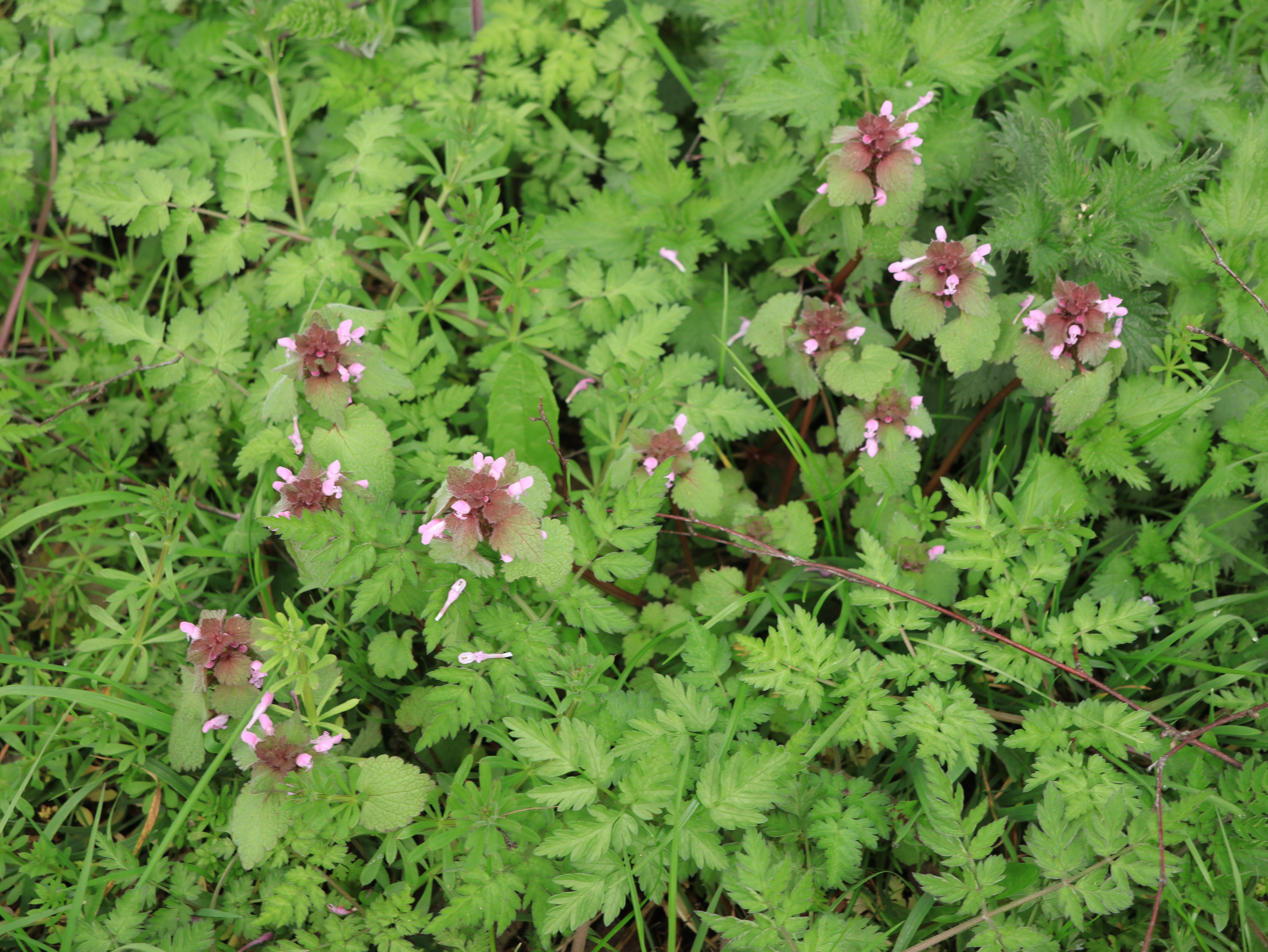
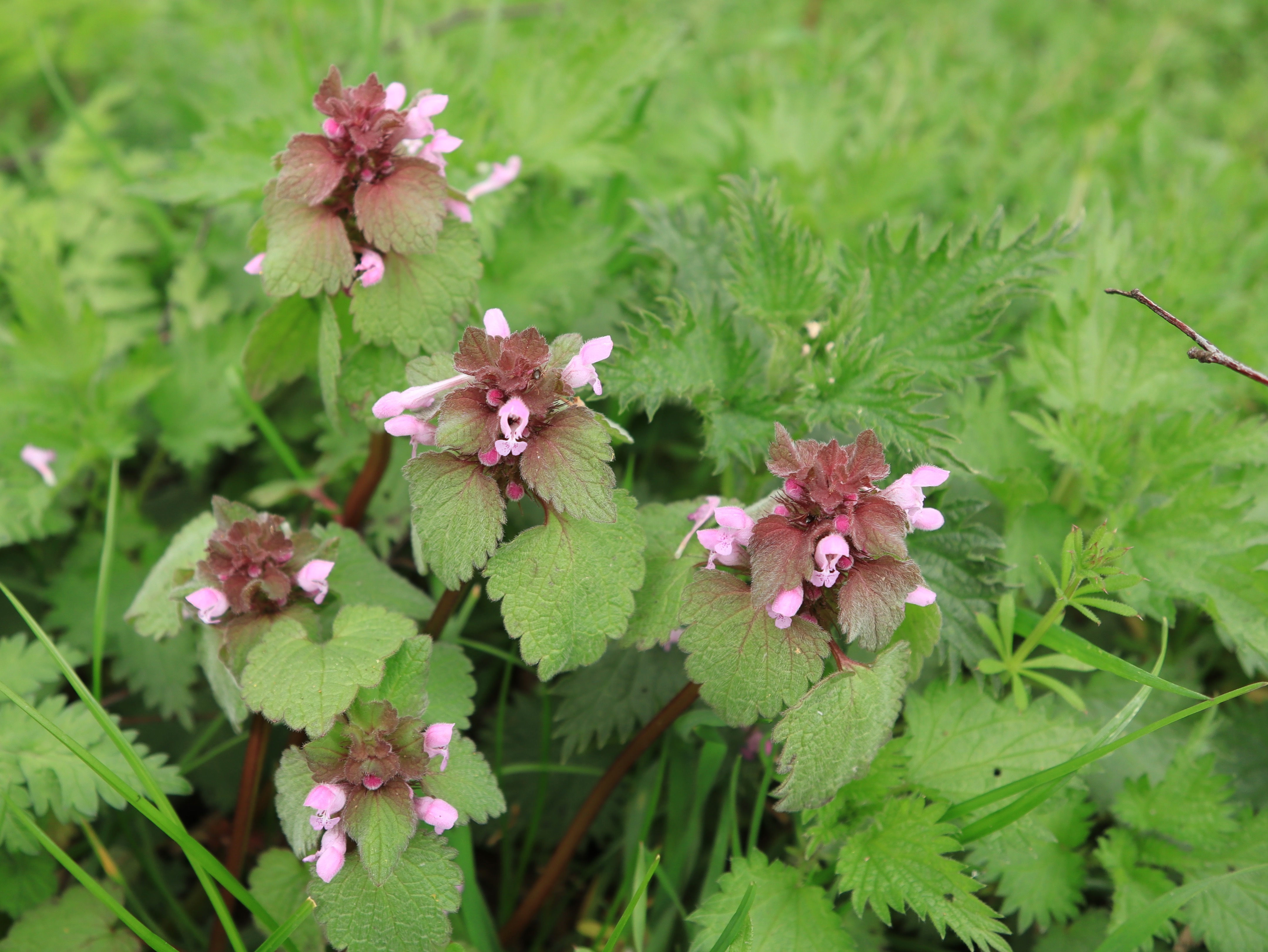
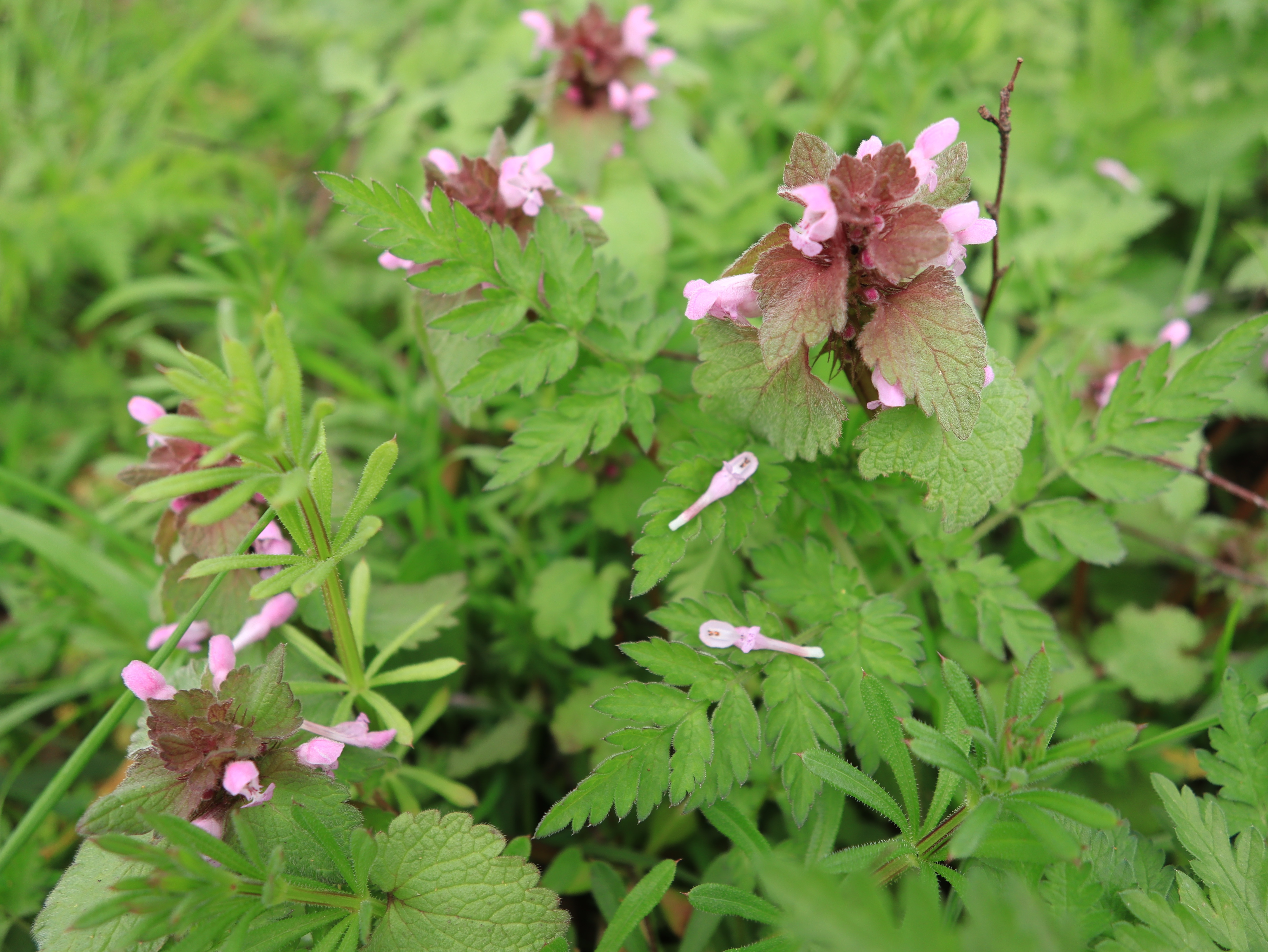
March 21st – A remarkable early riser at the moment in this early and temperate spring is the purple dead-nettle. Not usually seen until mid April around here, there are lovely little mauve-pink patches of this small plant in scrubs, commons, heaths, hedgerows and towpaths everywhere I go.

It doesn’t sting, and I love how the upper leaves have a red colour that compliments the delicate blooms.

In the last couple of years I’ve really come to appreciate nettles – yellow archangel is another member of the family which will soon appear and it’s stunningly beautiful too.

A real gem.

This journal is moving home. Please find out more by clicking here.

from Tumblr https://ift.tt/2YfRxMk
via IFTTT

#365daysofbiking Berry sparse


December 20th – Back at work, I noted that the holly trees around the industrial estate where I work, normally heavy by now with a bountiful berry crop – were very sparse this year.

Still, there were enough red berries to feel festive. Bad news for the local birds though.

This journal is moving home. Please find out more by clicking here.

from Tumblr http://bit.ly/2AgdnVP
via IFTTT

#365daysofbiking Red is the colour:

October 11th – On the industrial estate where I work, a grim, overcast morning was brightened considerable for yet another wonderful display of cotoneaster berries.

This shrub – for some reason like pyrocanthus – is beloved of industrial estate landscapers, presumably for the late colour. But cotoneaster is much more – the tiny flowers in high summer are beloved by bugs and bees, and come the cold winter days, blackbirds and other passerines will feast on these nutritious berries.

Such a welcome splash of autumn colour.

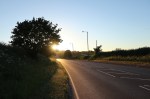
June 22nd – With the excellent weather we’ve been having, Friday night, post work rides into Brum have become a thing, it seems, and this evening I really needed it. Into the city by the main line from Darlaston to Great Bridge, then coffee, cake and out again vial Spaghetti Junction, Castle Bromwich and the Plats Brook/Newhall Valley cycleway – one of the finest, anywhere.

A lovely, gentle, restorative ride.

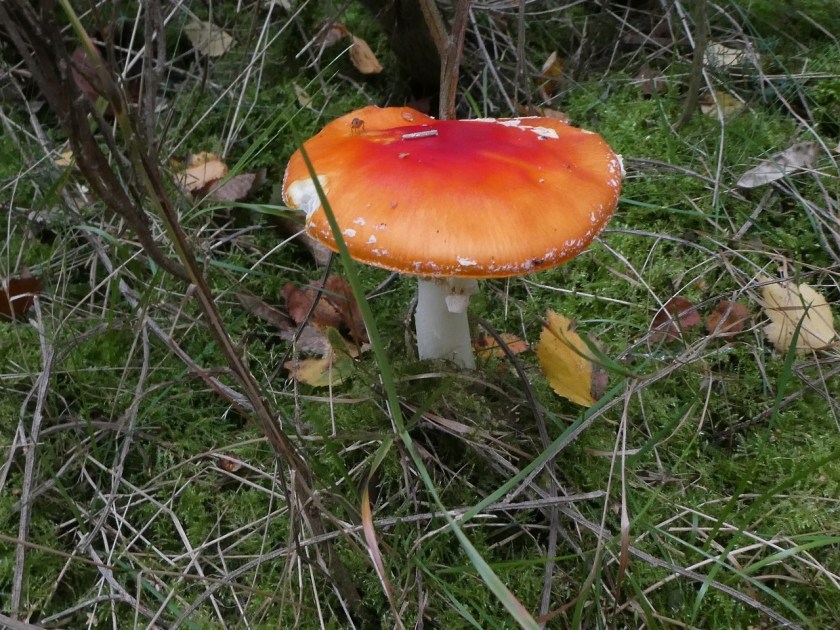
September 24th – I can’t make up my mind at the moment if fly agaric – the red and white spotted toadstools of folklore – are having a bad year or if I’m just a bit early.

I’ve found a few examples – notably a good specimen on August bank holiday on the Chase – but all the favourite spots like the bank before Anglesey Wharf on the canal at Brownhills are empty save for a few dog-eared or faded specimens.

This one at the top of the above bank seems quite elderly, as the spots drop off and the colour fades as they mature – but where are it’s usual companions?

They had an extraordinarily good year last year so perhaps it’s natural balance.

August 31st – The willow herb is going to seed now, I noticed the fluff as I rode the cycleway through the Goscote Valley. Filling the air at the slightest provocation from the breeze, the seeds this dweller of the margins produces float and dance on the wind.

When I was a kid, we called the little floating seeds ‘fairies’ and it was considered good luck to catch one. These days, I just tend to catch them in my mouth while riding.

My grandad called this ‘old man’s beard’ and you can see why.

This is a real end-of-summer occurrence and so a little bittersweet, but no summer would be complete without it, even if it does make me spit!