August 19th – One of the more startling recolonisations of recent years has been the teasel. This dramatic, prehistoric looking plant grows a familiar, spiny seedhead beloved of small songbirds, particularly finches, but the name teasel comes from its industrial use as a comb for ‘teasing’ wool into thread.

When I was young these were a rarity around here, and I never saw one of these tall plants until adulthood. Now, thankfully, they are profuse and in lots of wayside hedges, scrubs, meadows and field-margins – which is helping the bird population.
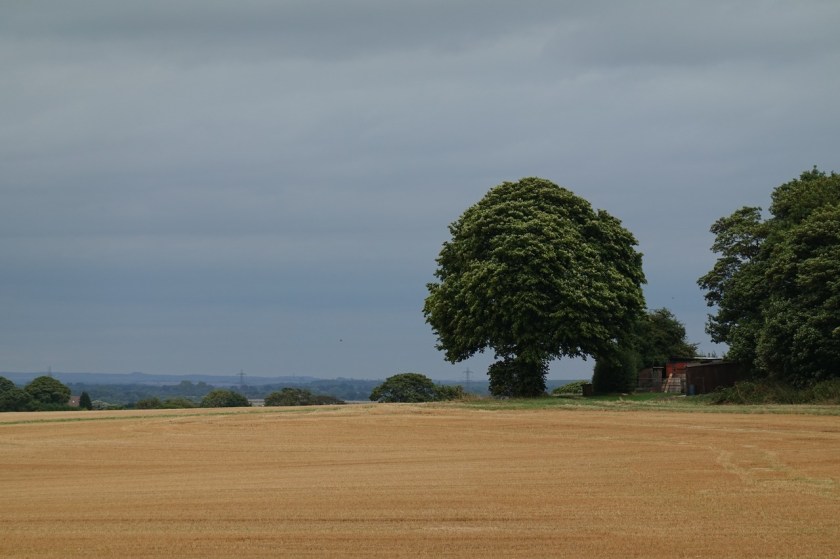

August 19th – Talking of the harvest, at Home Farm, Sandhills, the cornfield I’d captured the rainbow and remarkable sunset from a few weeks ago has now been harvested, and the stubble, still golden in the overcast day, is awaiting ploughing back in. 

My favourite tree – my marker for the seasons, the horse Chestnut by the farmhouse – is clearly laden with conkers.

What a fantastic summer and season this has been. Just what I needed.

August 18th – Up at Chasewater, watching the wakeboarder practice is always a great way to spend some time, and also a good test of photography skills.

This chap was trying out some pretty acrobatic stuff and was clearly honing his skills and learning.

I looks really impressive and I bet it’s fun, but rather them than me. I’ll stick to my bike, thanks!

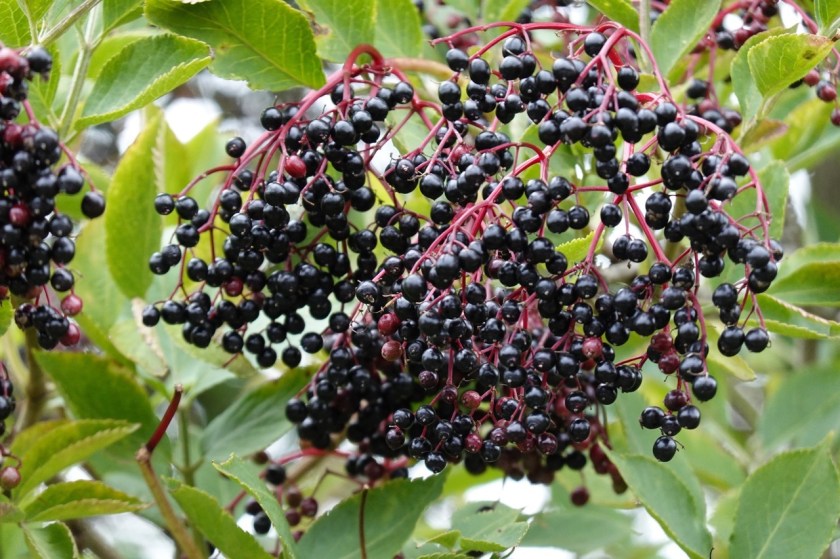
August 18th – In spite of my earlier feeling that we were in for a thin harvest, the hedgerows and woodlands are laden with berries, nuts and fruit this year. I noted on Brownhills Common that the elderberries were now showing well and in abundance, which is good news for local winemakers, who will produce a dark red, strong and face-numbing drink from these shiny, dark berries.

And long may it continue!

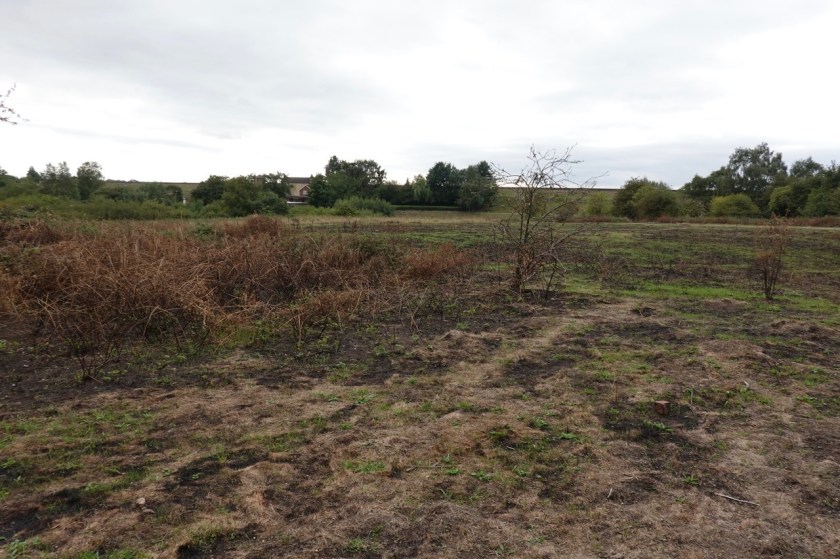
August 17th – Well, we’ve had a little rain (but not nearly enough) and something becomes clear: Grass fires are dramatic and worrying and do lots of damage, but as can be seen here on Chasewater Dam heath where there was a fire a month ago, it’s recovering well. The fire has cleared the scubas and fresh plants are shooting anew, and the area, although still scarred, is taking on a green appearance.

The grass fires are awful and so unnecessary, but nature clearly heals, and remarkably quickly too.

August 17th – I see there are patches of scum on the canal again in various spots. These seasonal bands of detritus are ugly, but are organic in origin – usually pollen, blossom debris or seed mast. 

I couldn’t work out what was generating this one, and it’s sporadic, but suspect it’s connected with nearby trees.

It’s a sign of the much cleaner times that such events are now so noticeable.

August 16th – Thankfully New Street is a rare delight these days, but on this grey and wet Thursday morning I wallowed in the damp brutalism of the concrete and metal, and the sounds of the people and traffic.

I spend many years now passing through this place, waiting or anticipating. It’s by turns grim, ugly, wonderful, fascinating and homely.

A real love-hate relationship.

August 16th – A dreadful morning commute in heavy rain to the railway station was a shock to the system, on slippery roads with a worrying amount of spray. Getting to the station, when the train arrived I found I was sharing the bike space with a hardy cyclist in shorts.

Looking at his bike, a respectable singe speed, I saw what can only be regarded as the worst bit of rear light positioning I’ve ever seen.

Almost lower than the rear wheel, on the seat post behind the seat stays.

I hope this guy doesn’t do anything engineering-based for a living.

August 15th – Also ripening in the hedgerows and waysides are a large variety of different rose hips in a range of shades and shapes. From cherry red and almost spherical to more oval and orange.

Again, these fruits will help sustain birds and other small animals into the winter and will be bright and beautiful in the late summer when traditionally the colour from flowers subsides.

August 15th – With all the sun we’ve had, the haws – fruit of the hawthorn – are reddening up well and in copious supply. These hard, bitter berries will last right into the winter, and although not a first choice of most birds, they will sustain many when preferable food sources dwindle.

They also provide a lovely splash of noble colour to the late summer and autumn hedgerows.